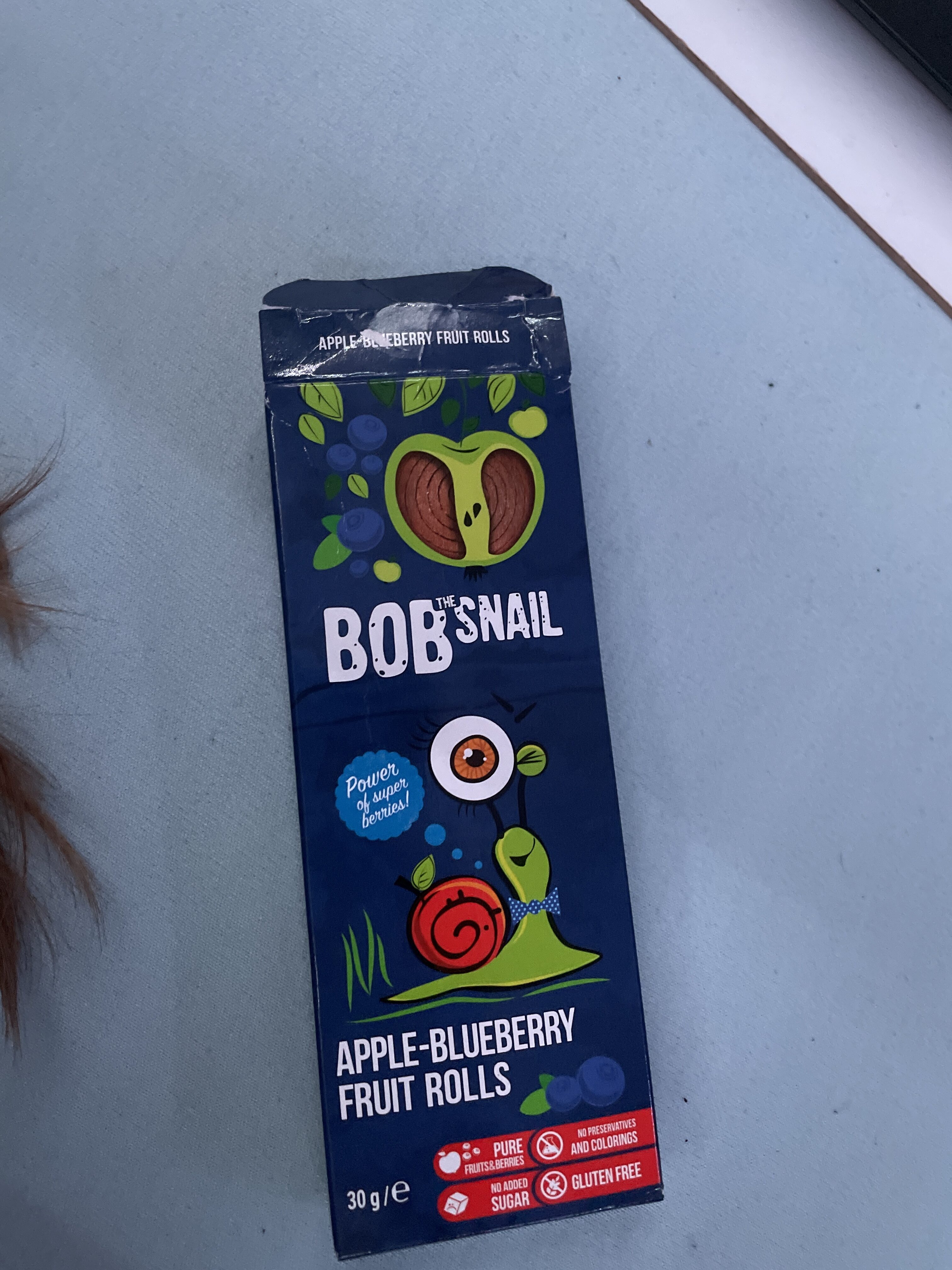
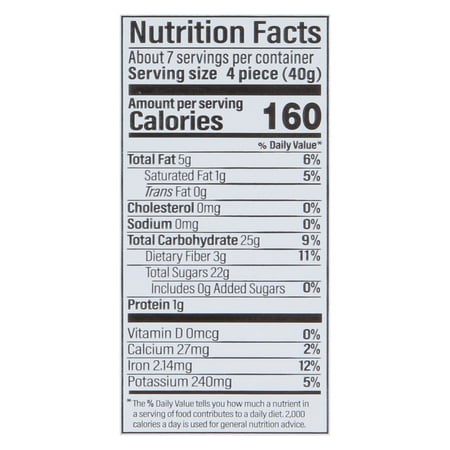
4 ciabatta rolls

At a glance
Summary
This product is a processed food with a relatively clean ingredient list, featuring extra virgin olive oil as a beneficial component. The use of fortified wheat flour and minimal additives contributes to a moderate processing level. However, the presence of refined flour and the processed nature of the product limit its health rating. Its plastic packaging can shed microplastics into the food and lowers its score.
Key ingredients 9
Extra virgin olive oilVery Good
Extra virgin olive oil is a high-quality monounsaturated fat with anti-inflammatory properties. It contains antioxidants that support heart health. Cold-pressed extraction preserves beneficial compounds.
Benefits
Rich in monounsaturated fats that support heart health and provide anti-inflammatory properties. Contains antioxidants like vitamin E and polyphenols that may reduce oxidative stress.
Fortified wheat flourNeutral
Fortified wheat flour is enriched with vitamins and minerals like calcium carbonate, iron, niacin, and thiamin. It provides essential nutrients that are often lost during processing. However, it is still a refined flour, which lacks the fiber and nutrients found in whole grains.
Risks
Refined flour can contribute to blood sugar spikes and lacks the fiber of whole grains.
Benefits
Fortification adds essential nutrients that can help prevent deficiencies in the diet.
WaterNeutral
Water is a basic ingredient used in baking to hydrate flour and activate yeast. It is essential for the dough formation and texture of the bread. It does not provide any nutritional value but is necessary for the baking process.
See more about Water →SaltNeutral
Salt is used to enhance flavor and control yeast activity in bread. It is a common ingredient in baking but does not provide significant nutritional benefits. Excessive consumption can lead to health issues such as high blood pressure.
Risks
Excessive salt intake can contribute to high blood pressure and cardiovascular issues.
YeastNeutral
Yeast is a microorganism used in baking to leaven bread, creating a light and airy texture. It is a natural ingredient that contributes to the fermentation process. Yeast itself does not provide significant nutritional benefits.
See more about Yeast →Wheat semolinaNeutral
Wheat semolina is a coarse flour made from durum wheat, often used for its texture in baking. It provides some protein and fiber but is not as nutrient-dense as whole grains. It is commonly used in pasta and bread products.
Risks
May cause allergic reactions in individuals with wheat allergies or gluten intolerance.
Benefits
Provides some protein and fiber, contributing to the texture and structure of baked goods.
Malted wheat flourNeutral
Malted wheat flour is used to enhance flavor and improve the browning of baked goods. It is made by sprouting wheat grains, drying them, and grinding them into flour. It adds a subtle sweetness and can improve the texture of bread.
Risks
May cause allergic reactions in individuals with wheat allergies or gluten intolerance.
Benefits
Enhances flavor and improves the texture and browning of baked goods.
Flour treatment agentNeutral
Ascorbic acid is used as a flour treatment agent to improve dough strength and volume. It is a form of vitamin C and is generally recognized as safe in food processing. It does not provide significant nutritional benefits in the amounts used.
Benefits
Improves dough strength and volume, contributing to the quality of baked goods.
Wheat flourBad
Refined grain flour stripped of bran and germ.
Risks
Refined flour can contribute to blood sugar spikes and lacks the fiber of whole grains.
Benefits
Provides structure and texture to baked goods.
Processing
Processed Foods
Get the full breakdown in the Scout appTake Scout shopping
Scan any product to see lab results, healthy alternatives, and your personalized analysis.
Are you Asda? Fix an error Get the badge Get tested