



At a glance
Summary
This sushi product contains beneficial ingredients like salmon, prawns, and red peppers, which provide essential nutrients and healthy fats. However, the presence of refined sugar and rapeseed oil, which is a seed oil high in omega-6 fatty acids, detracts from its nutritional quality. The product is moderately processed, which limits its score despite the inclusion of some nutritious components.
Key ingredients 23
Cured SalmonVery Good
Cured salmon is rich in omega-3 fatty acids, which are beneficial for heart health. It is a high-quality protein source with essential nutrients like vitamin D and selenium. The curing process enhances flavor while preserving the fish.
Risks
Potential risk of high sodium content due to curing process.
Benefits
Rich in omega-3 fatty acids and high-quality protein, supporting cardiovascular and overall health.
Cooked PrawnGood
Cooked prawns are a low-calorie source of protein and contain essential nutrients like selenium and vitamin B12. They are typically low in fat and provide a good source of omega-3 fatty acids. Cooking enhances their flavor and texture.
Risks
Allergy risk for individuals sensitive to shellfish.
Benefits
Provides lean protein and essential nutrients with low fat content.
Red PeppersGood
Red peppers are rich in vitamins A and C, providing antioxidant benefits. They add color and flavor to dishes while being low in calories. Their natural sweetness can enhance the taste profile of the sushi.
Benefits
High in vitamins and antioxidants, supporting immune health and reducing inflammation.
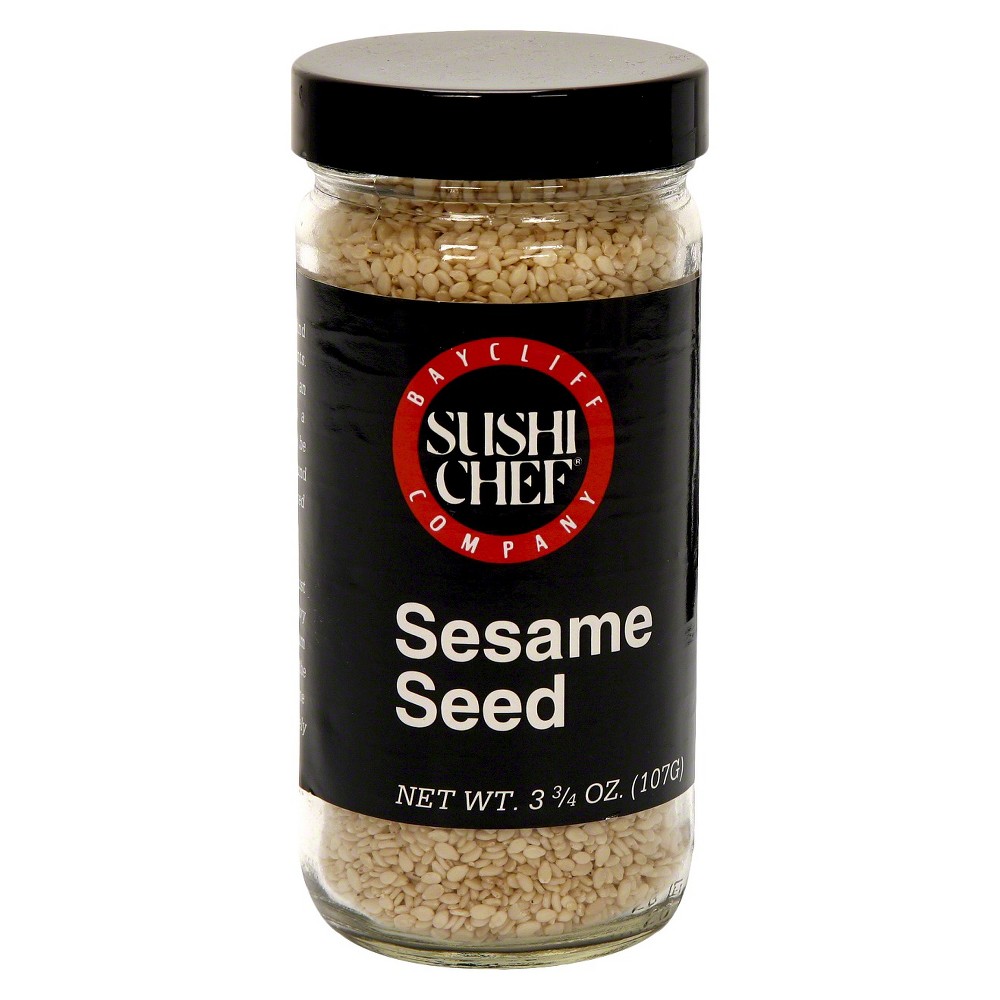
Sesame SeedsGood
Sesame seeds are a good source of healthy fats, protein, and minerals like calcium and magnesium. They add a nutty flavor and texture to dishes. Their nutrient profile supports bone health and provides antioxidant benefits.
Risks
Allergy risk for individuals sensitive to sesame.
Benefits
Rich in healthy fats and minerals, supporting bone health and providing antioxidant properties.
Nori SeaweedGood
Nori seaweed is rich in iodine, which is essential for thyroid function. It provides a source of vitamins and minerals, including vitamin C and magnesium. Its use in sushi adds flavor and nutritional benefits.
Risks
Excessive consumption can lead to iodine overload, affecting thyroid health.
Benefits
Rich in iodine and other nutrients, supporting thyroid health and providing antioxidant benefits.
ChivesGood
Chives are low in calories and provide vitamins A and C, along with antioxidants. They add a mild onion flavor to dishes, enhancing taste without adding significant calories. Their nutrient profile supports immune health.
Benefits
Provides vitamins and antioxidants, supporting immune health and adding flavor.
Red Chilli PuréeGood
Red chilli purée adds spice and flavor, containing capsaicin which may boost metabolism. It provides vitamins A and C, contributing to antioxidant benefits. Its use can enhance the sensory profile of dishes.
Risks
May cause irritation or discomfort for individuals sensitive to spicy foods.
Benefits
Contains capsaicin and vitamins, supporting metabolism and providing antioxidant benefits.
Garlic PuréeGood
Garlic purée provides flavor and contains compounds like allicin, which have health benefits. It is known for its potential antimicrobial and cardiovascular benefits. Its use enhances the taste profile of dishes.
Risks
May cause digestive discomfort in some individuals.
Benefits
Contains allicin, supporting cardiovascular health and providing antimicrobial properties.
Ginger PuréeGood
Ginger purée adds flavor and contains bioactive compounds like gingerol, which have anti-inflammatory and antioxidant effects. It is used to enhance the taste and provide health benefits. Its use in foods can support digestive health.
Benefits
Contains gingerol, supporting anti-inflammatory and antioxidant benefits.
Garlic PowderGood
Garlic powder provides flavor and contains beneficial compounds like allicin. It is used for its potential antimicrobial and cardiovascular benefits. Its use enhances the taste profile of dishes.
Risks
May cause digestive discomfort in some individuals.
Benefits
Contains allicin, supporting cardiovascular health and providing antimicrobial properties.
Red Pepper GranulesGood
Red pepper granules add flavor and are rich in vitamins A and C. They provide antioxidant benefits and enhance the sensory profile of dishes. Their nutrient profile supports immune health.
Benefits
High in vitamins and antioxidants, supporting immune health and reducing inflammation.
Pasteurised Egg YolkGood
Pasteurised egg yolk is a source of high-quality protein and essential nutrients like choline and vitamin D. Pasteurization ensures safety by reducing the risk of foodborne illness. It provides richness and flavor to dishes.
Risks
Allergy risk for individuals sensitive to eggs.
Benefits
Rich in protein and essential nutrients, supporting brain health and providing flavor.
Mustard SeedsGood
Mustard seeds are rich in antioxidants and contain compounds that may have anti-inflammatory effects. They add flavor and nutritional benefits to dishes. Their nutrient profile supports digestive health and provides potential cardiovascular benefits.
Risks
Allergy risk for individuals sensitive to mustard.
Benefits
Rich in antioxidants and beneficial compounds, supporting digestive and cardiovascular health.
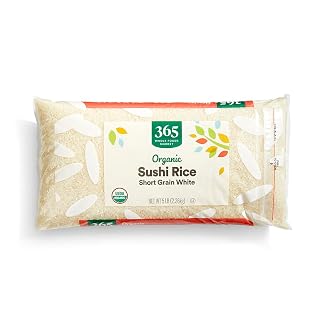
Cooked Sushi RiceNeutral
Cooked sushi rice is a staple in sushi, providing carbohydrates as a primary energy source. It is typically seasoned with sugar, rice vinegar, and salt, which can add flavor but also increase sugar and sodium content. The use of vegetable oil in the rice preparation can vary in health impact depending on the type of oil used.
Risks
High sugar and sodium content can be a concern for those monitoring their intake.
Benefits
Provides a source of carbohydrates necessary for energy.
Salted Full Fat Soft CheeseNeutral
Soft cheese provides a source of calcium and protein, contributing to bone health. The full-fat version offers a richer flavor but also increases calorie and fat content. Salt content can be a concern for those monitoring sodium intake.
Risks
High in saturated fat and sodium, which may be a concern for heart health if consumed in excess.
Benefits
Provides calcium and protein, supporting bone health.
Soy SauceNeutral
Soy sauce adds umami flavor to dishes but is high in sodium. It is made from fermented soybeans, wheat, and salt, which can enhance the taste of sushi. The fermentation process can provide some probiotic benefits.
Risks
High sodium content can contribute to increased blood pressure if consumed in excess.
Benefits
Adds flavor and may offer some probiotic benefits due to fermentation.
CornflourNeutral
Cornflour is used as a thickening agent and provides carbohydrates. It is a refined product with limited nutritional value. Its primary role is functional, contributing to texture and consistency in foods.
Benefits
Provides carbohydrates but limited in nutritional value.
Spirit VinegarNeutral
Spirit vinegar is used for its acidic properties to enhance flavor and preserve food. It is a distilled product with no significant nutritional value. Its primary role is functional, contributing to taste and preservation.
White Wine VinegarNeutral
White wine vinegar is used for its tangy flavor and preservative qualities. It is made from fermented white wine, providing acidity to dishes. Its role is primarily functional, enhancing flavor and shelf life.
SaltNeutral
Salt is used to enhance flavor and preserve food. It is a refined product with no additional nutrients. High sodium intake can be a concern for blood pressure and heart health.
Risks
Excessive consumption can lead to high blood pressure and cardiovascular issues.
Citrus FibreNeutral
Citrus fibre is used as a functional ingredient to improve texture and stability in foods. It is derived from citrus fruits and provides dietary fiber. Its primary role is functional, with limited nutritional impact.
Benefits
Provides dietary fiber, supporting digestive health.
SugarBad
Refined sugar is a source of empty calories and can contribute to weight gain and metabolic issues. It is often added to enhance flavor but provides no essential nutrients. Excessive consumption is linked to various health issues, including diabetes and heart disease.
Risks
High intake can lead to obesity, diabetes, and other metabolic disorders.
Rapeseed OilVery Bad
Rapeseed oil is a seed oil high in omega-6 fatty acids, which can promote inflammation when consumed in excess. It is often highly processed, which can reduce its nutritional quality. Its use in foods is controversial due to potential health impacts.
Risks
High omega-6 content may promote inflammation and contribute to chronic diseases.
Processing
Processed Foods
Get the full breakdown in the Scout appTake Scout shopping
Scan any product to see lab results, healthy alternatives, and your personalized analysis.
Download on theApp Store GET IT ONGoogle Play