


At a glance
Summary
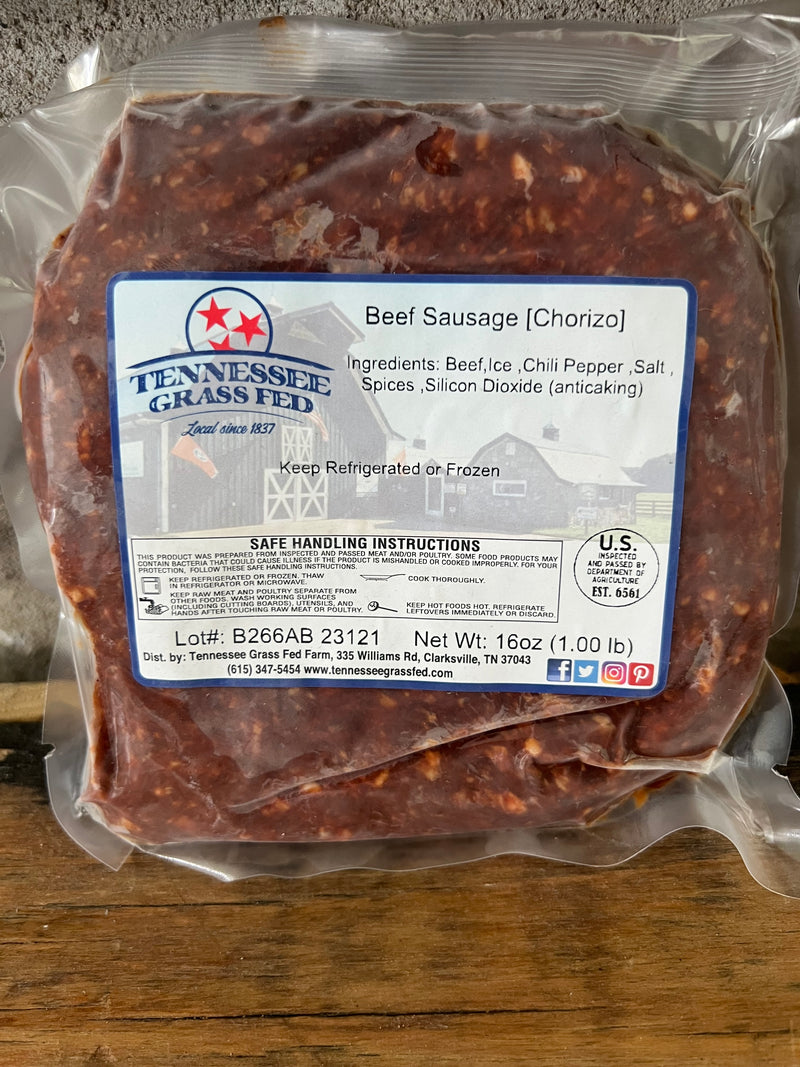
This beef chorizo is a processed food containing sodium nitrite, a preservative that can form potentially harmful compounds when cooked at high temperatures. The inclusion of soy flour, a processed ingredient that may affect mineral absorption, further impacts its health profile. While it does contain beef, a good source of protein and nutrients, the overall processing level and presence of controversial additives limit its score.
Key ingredients 10
BeefGood
Beef is a high-quality source of complete protein, providing essential amino acids necessary for muscle repair and growth. It also contains important nutrients like iron, zinc, and B vitamins. The quality of beef can vary based on factors like feed and processing methods.
Risks
Excessive consumption of red meat has been linked to increased risk of certain diseases, including colorectal cancer.
Benefits
Rich in protein and essential nutrients, supporting muscle health and overall nutrition.
PaprikaGood
Beneficial ingredient — whole-food or functional value in this product class.
Benefits
Adds flavor and color, with some antioxidant properties.
SpicesGood
Whole-food seasonings, antioxidant-bearing.
Benefits
May provide antioxidant benefits and enhance flavor.
GarlicGood
Whole food with well-documented cardiovascular and immune benefits.
Benefits
May support cardiovascular health and has antimicrobial properties.
Beef ByproductNeutral
Beef byproducts include parts like salivary glands and fat, which are commonly used in processed meats. These components are high in fat and can contribute to the flavor and texture of the product. However, they may not provide the same nutritional benefits as lean cuts of beef.
Risks
Consumption of high-fat byproducts may contribute to increased cholesterol levels and heart disease risk if consumed in excess.
Benefits
Provides a source of protein and fat, contributing to the overall energy content of the product.
VinegarNeutral
Vinegar is an acidic liquid used for flavoring and preservation. It is made through the fermentation of ethanol by acetic acid bacteria. The health impact is generally neutral, with some potential benefits related to digestion.
Benefits
May aid in digestion and acts as a natural preservative.
SaltNeutral
Salt is used to enhance flavor and preserve food. It is a source of sodium, which is essential for fluid balance and nerve function. However, excessive intake can lead to health issues such as hypertension.
Risks
High sodium intake is associated with increased risk of hypertension and cardiovascular disease.
Benefits
Essential for maintaining fluid balance and nerve function.
Red PepperNeutral
Red pepper is used to add heat and flavor to foods. It contains capsaicin, which may have metabolic and anti-inflammatory effects. The impact is minimal due to the small quantities typically used.
Benefits
Contains capsaicin, which may have metabolic benefits.
Soy FlourBad
Soy flour is a processed form of soybeans, often used as a protein source in various foods. It may contain anti-nutrients that can affect mineral absorption. Additionally, soy is a common allergen and may not be suitable for everyone.
Risks
May cause allergic reactions in sensitive individuals and contains anti-nutrients that can interfere with mineral absorption.
Benefits
Provides a source of plant-based protein and can enhance the texture of processed foods.
Sodium NitriteBad
Sodium nitrite is used as a preservative and color fixative in processed meats. It can form nitrosamines, which are potentially carcinogenic, especially when meats are cooked at high temperatures. Its use is controversial due to potential health risks.
Risks
Potential formation of nitrosamines, which are linked to an increased risk of cancer.
Benefits
Helps preserve meat and maintain color, extending shelf life.
Processing
Processed Foods
Get the full breakdown in the Scout appTake Scout shopping
Scan any product to see lab results, healthy alternatives, and your personalized analysis.
Download on theApp Store GET IT ONGoogle Play