


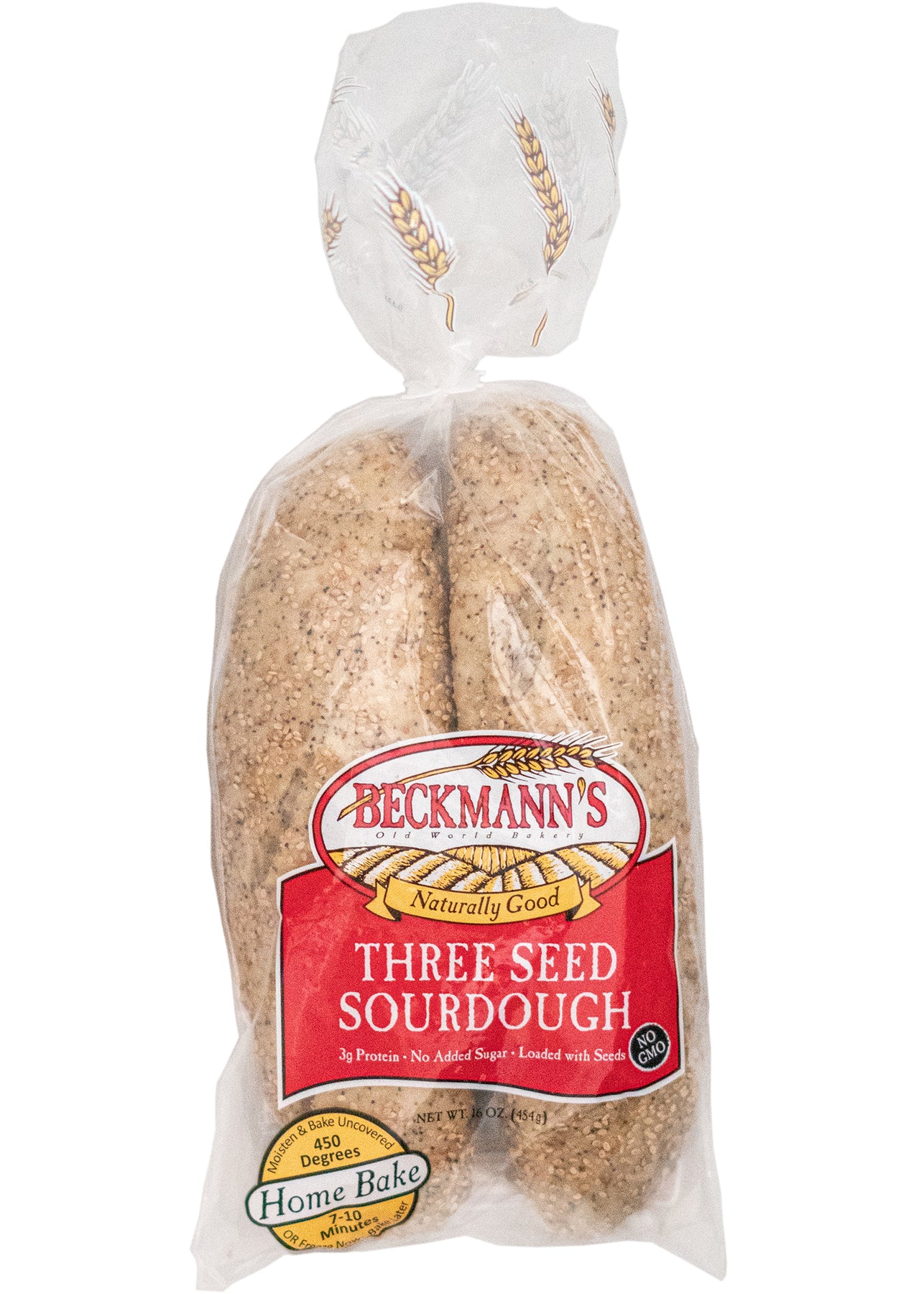


Sourdough bagels
Summary
The sourdough bagels contain several processed ingredients, including rapeseed oil and preservatives like calcium propionate and sorbic acid, which contribute to their processed nature. While the presence of whole grains and sourdough culture is positive, the inclusion of refined sugar and seed oils, along with the use of synthetic additives, impacts the overall healthiness of the product. The processing level and presence of these additives limit the score despite some redeeming nutritional qualities.
At a glance
Key ingredients 12
Wheat FlourNeutral
Wheat flour is a staple ingredient in many baked goods, providing structure and texture. It is often enriched with vitamins and minerals such as iron and B vitamins. However, it is a refined carbohydrate, which may impact blood sugar levels.
Risks
Refined wheat flour can contribute to spikes in blood sugar and may lack fiber compared to whole grain alternatives.
Benefits
Enriched wheat flour provides essential nutrients like iron and B vitamins, which are important for energy metabolism.
SourdoughNeutral
Sourdough is a fermented dough that can improve the digestibility of bread. The fermentation process may enhance nutrient absorption and reduce phytic acid content. However, the benefits depend on the fermentation duration and starter culture quality.
Benefits
Fermentation can increase the bioavailability of nutrients and may promote gut health through beneficial bacteria.
WaterNeutral
Water is a fundamental ingredient in baking, essential for hydrating flour and activating yeast. It plays a crucial role in dough consistency and texture. There are no health concerns associated with water in this context.
Benefits
Water is essential for hydration and plays a key role in the baking process.
Rye FlourNeutral
Rye flour is a whole grain flour that can add a distinct flavor and nutritional benefits to baked goods. It contains more fiber than refined wheat flour, which can aid in digestion. However, it may not be suitable for those with gluten sensitivities.
Risks
Contains gluten, which may not be suitable for individuals with celiac disease or gluten intolerance.
Benefits
Rich in dietary fiber, rye flour can support digestive health and provide a source of essential nutrients.
Rapeseed OilVery Bad
Rapeseed oil, also known as canola oil, is a seed oil high in omega-6 fatty acids. It is often highly processed and may contribute to inflammation when consumed in excess. The extraction process can involve chemical solvents, which may impact oil quality.
Risks
High omega-6 content may promote inflammation when consumed in excess.
SugarBad
Sugar is a refined carbohydrate that provides sweetness and enhances flavor in baked goods. However, excessive consumption can lead to health issues such as obesity and dental cavities. It is often added to improve the taste and texture of products.
Risks
Excessive sugar intake is linked to obesity, type 2 diabetes, and dental cavities.
YeastNeutral
Yeast is a microorganism used in baking to leaven dough, creating a light and airy texture. It is a natural ingredient that contributes to the fermentation process. Yeast itself poses no significant health risks.
Benefits
Yeast helps in the fermentation process, improving the texture and flavor of baked goods.
SaltNeutral
Salt is used in baking to enhance flavor and control yeast activity. It is an essential mineral but should be consumed in moderation to avoid health issues. Excessive salt intake can lead to hypertension and cardiovascular problems.
Risks
High salt intake can contribute to hypertension and cardiovascular diseases.
Benefits
Salt enhances flavor and plays a role in dough fermentation and texture.
Calcium PropionateBad
Calcium propionate is a preservative used to extend the shelf life of baked goods by inhibiting mold growth. While generally recognized as safe, some individuals may experience sensitivities. It is a synthetic additive not naturally found in whole foods.
Risks
May cause sensitivities or allergic reactions in some individuals.
Sorbic AcidBad
Sorbic acid is a preservative used to prevent mold and yeast growth in food products. It is effective in extending shelf life but is a synthetic additive. Some individuals may experience allergic reactions or sensitivities.
Risks
May cause allergic reactions or sensitivities in some individuals.
Malted Barley FlourNeutral
Malted barley flour is used in baking to enhance flavor and improve dough fermentation. It contains enzymes that can break down starches into sugars, aiding in yeast activity. It is generally considered safe with no significant health concerns.
Benefits
Enhances flavor and aids in dough fermentation, contributing to improved texture and taste.
Ascorbic AcidNeutral
Ascorbic acid, also known as vitamin C, is used as a flour treatment agent to improve dough strength and volume. It is a natural antioxidant but is used in small amounts in baking. There are no significant health concerns associated with its use in this context.
Benefits
Acts as an antioxidant and improves dough quality in baking.
Processing
Processed Foods
Get the full breakdown in the Scout app
Scan any product to see lab results, healthy alternatives, and your personalized analysis.
Download on theApp Store