


At a glance
Summary
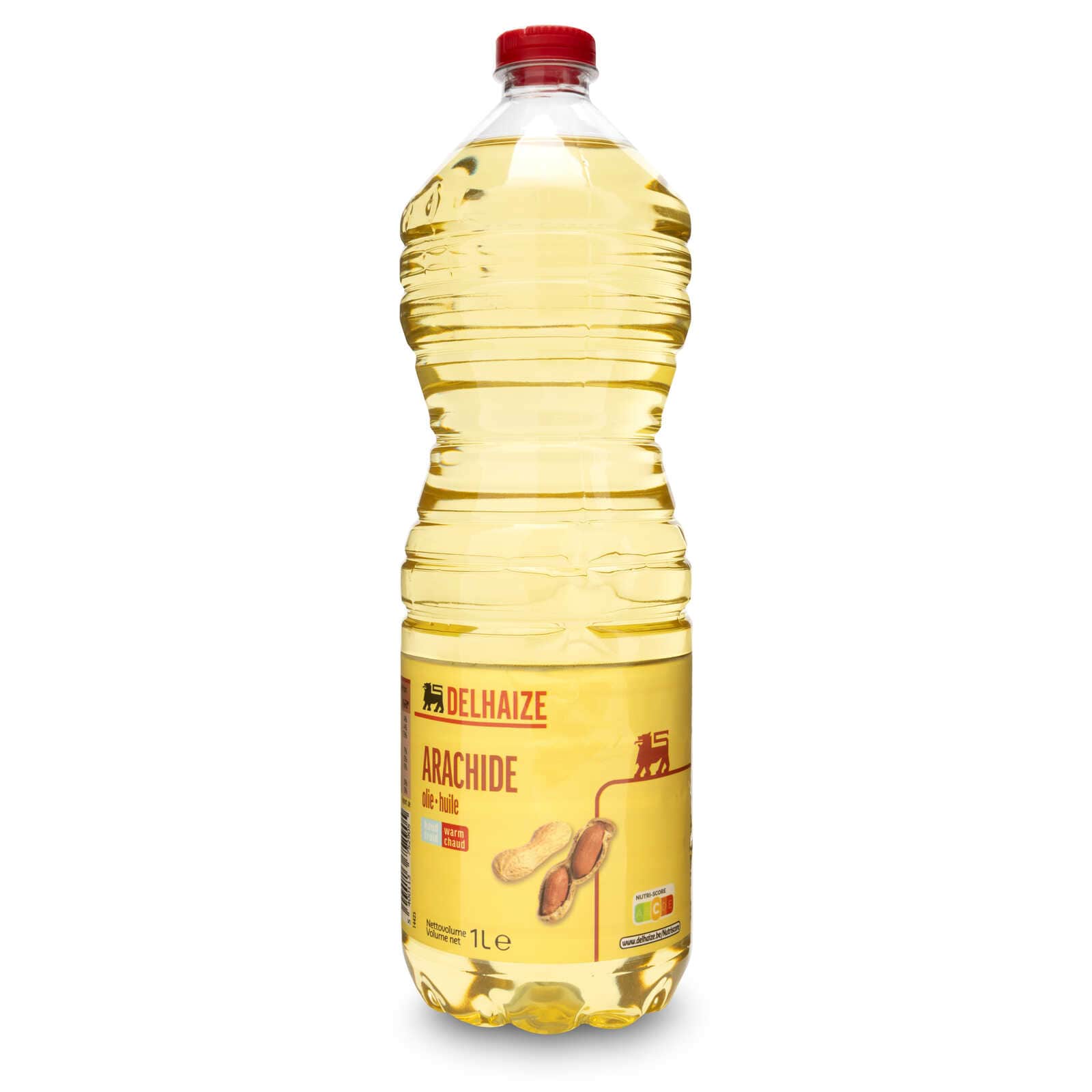
This product is primarily composed of peanut oil, which is a seed oil high in omega-6 fatty acids that can promote inflammation if consumed excessively. While it contains beneficial components like oleic acid and vitamin E, the potential negative impact of the seed oil and its refined nature limit its health benefits compared to other oils like olive oil. The processing level indicates it is a processed culinary ingredient, which further influences its rating.
Key ingredients 5
Oleic acidGood
Oleic acid is a monounsaturated fatty acid that supports heart health. It is known for its anti-inflammatory properties and ability to improve cholesterol levels. Found in high-quality oils like olive oil, it is beneficial when included in a balanced diet.
Benefits
Supports heart health and provides anti-inflammatory properties.
Vitamin EGood
Vitamin E is a powerful antioxidant that helps protect cells from oxidative damage. It supports immune function and skin health. Found naturally in many oils, it contributes to overall health when consumed as part of a balanced diet.
Benefits
Protects cells from oxidative damage and supports immune function.
Linoleic acidNeutral
Linoleic acid is an essential omega-6 fatty acid necessary for various bodily functions. While essential, excessive intake relative to omega-3s can lead to an imbalance and potential inflammation. It is important to maintain a balanced ratio with omega-3 fatty acids.
Risks
Excessive intake may lead to inflammation if not balanced with omega-3 fatty acids.
Benefits
Essential for various bodily functions and supports skin health.
Palmitic acidNeutral
Palmitic acid is a saturated fatty acid naturally found in both animal and plant fats. It is a common component of many foods but should be consumed in moderation due to potential impacts on cholesterol levels. It is less beneficial compared to unsaturated fats.
Risks
May impact cholesterol levels negatively if consumed in excess.
Peanut oilBad
Peanut oil is a seed oil high in omega-6 fatty acids, which can promote inflammation if consumed in excess. It is often refined, which may strip away beneficial nutrients. Compared to other oils like olive oil, it lacks significant health benefits.
Risks
High omega-6 content may promote inflammation when consumed in excess.
Processing
Processed Culinary Ingredients
Get the full breakdown in the Scout appTake Scout shopping
Scan any product to see lab results, healthy alternatives, and your personalized analysis.
Download on theApp Store GET IT ONGoogle Play