


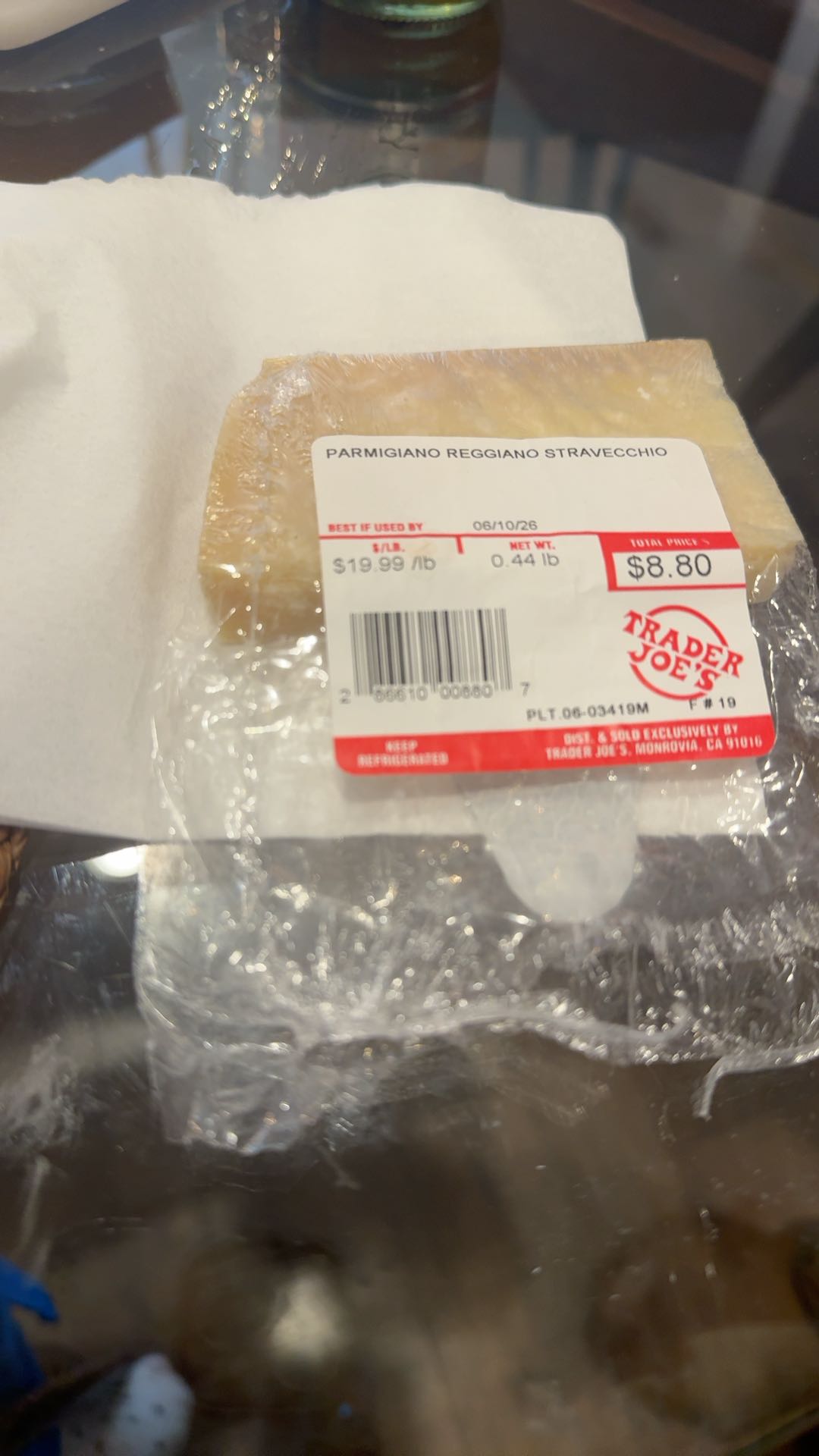
At a glance
Summary
This cheese product is made from pasteurized cow's milk and lactic cultures, which are beneficial for providing high-quality protein and promoting gut health. However, it contains potassium nitrate as a preservative, which raises some health concerns despite being generally safe at typical consumption levels. The product is moderately processed, which limits its score potential despite the clean ingredient list.
Key ingredients 5
Pasteurized cow's milkGood
Pasteurized cow's milk is a primary source of high-quality protein and calcium. The pasteurization process ensures safety by eliminating harmful bacteria while preserving nutritional value. It is a staple in dairy products, providing essential nutrients for bone health.
Risks
Potential risks include lactose intolerance or milk allergies in some individuals.
Benefits
Rich in protein and calcium, supporting bone health and muscle function.
Lactic culturesGood
Lactic cultures are beneficial bacteria used in fermentation, enhancing the nutritional profile of dairy products. They aid in digestion and improve gut health by promoting a healthy microbiome. Fermentation also contributes to the development of flavor and texture in cheese.
Benefits
Supports gut health and digestion through beneficial bacteria.
RennetGood
Beneficial ingredient — whole-food or functional value in this product class.
Benefits
Facilitates cheese production by coagulating milk, essential for texture and flavor.
SaltNeutral
Salt is used in cheese-making for flavor and as a preservative. It helps control moisture and texture in the final product. While necessary for cheese production, high sodium intake can be a concern for some individuals.
Risks
High sodium intake may contribute to hypertension and cardiovascular issues.
Benefits
Enhances flavor and acts as a preservative in cheese.
E252 (Potassium nitrate)Bad
E252, or potassium nitrate, is used as a preservative in some cheeses. While it helps prevent spoilage and bacterial growth, its use is controversial due to potential health concerns. Excessive intake may be linked to health issues, though typical consumption levels in cheese are generally considered safe.
Risks
Potential health concerns include links to certain health issues when consumed in large quantities.
Benefits
Helps preserve cheese by preventing spoilage and bacterial growth.
Processing
Processed Foods
Get the full breakdown in the Scout appTake Scout shopping
Scan any product to see lab results, healthy alternatives, and your personalized analysis.
Download on theApp Store GET IT ONGoogle Play