

At a glance
Summary
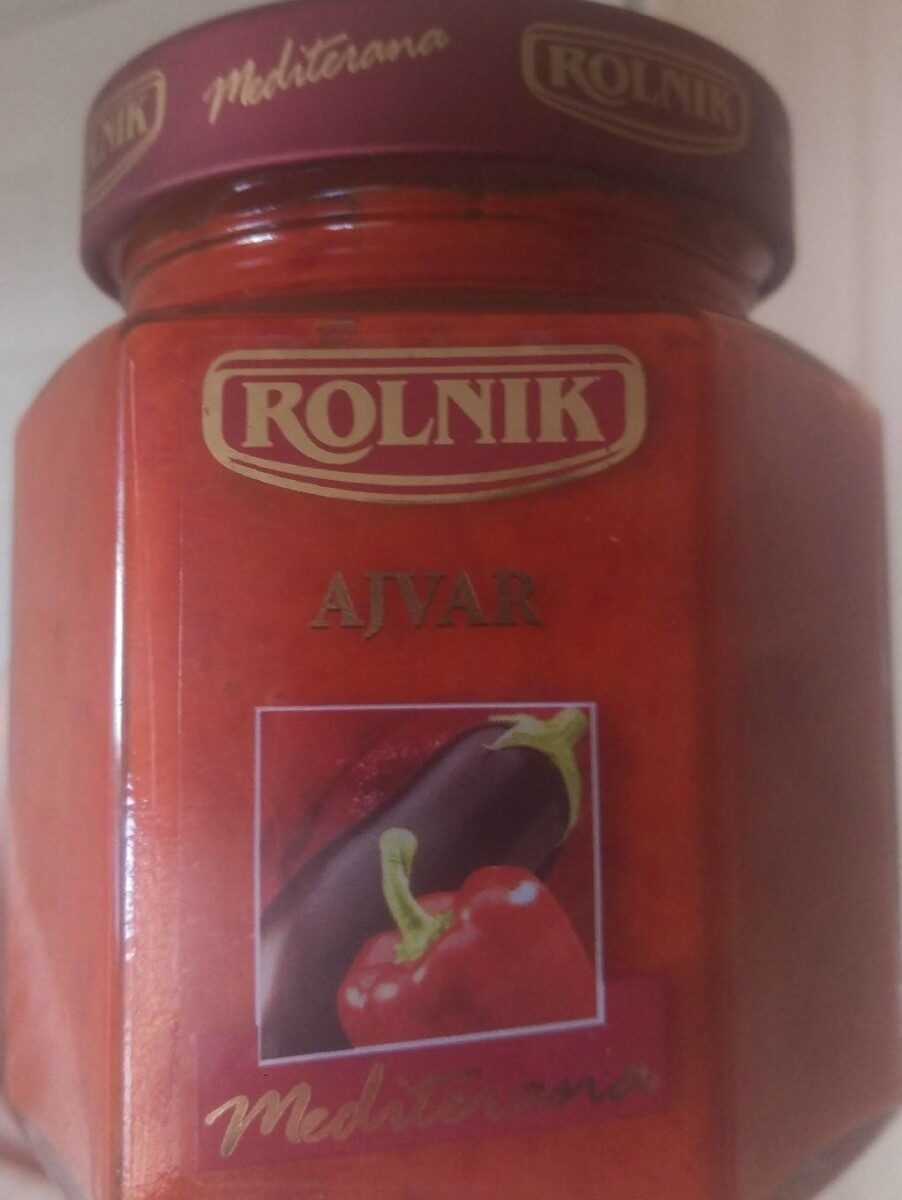
Ajvar Mediterana contains beneficial ingredients like red peppers, aubergine, and garlic, which are rich in vitamins and antioxidants. However, the presence of sunflower oil, a seed oil high in omega-6 fatty acids, and refined sugar detracts from its healthiness. The product is moderately processed, which limits its score despite the presence of some whole food ingredients.
Key ingredients 10
Red romano or bell peppersVery Good
Red peppers are rich in vitamins A and C, which are essential for immune function and skin health. They are minimally processed and retain most of their natural nutrients. The vibrant color indicates a high level of antioxidants.
Benefits
High in antioxidants and vitamins that support overall health and reduce inflammation.
Red capia pepperVery Good
Red capia peppers are rich in vitamins and antioxidants, similar to other red peppers. They are minimally processed and provide a natural sweetness and flavor. The high vitamin C content supports immune health.
Benefits
Rich in vitamins and antioxidants that support immune function and reduce oxidative stress.
AubergineGood
Aubergine is a good source of dietary fiber and essential nutrients like manganese and potassium. It is typically consumed with the skin, which contains beneficial phytonutrients. The low-calorie content makes it a healthy addition to diets.
Benefits
Provides dietary fiber and essential nutrients that support digestive health and metabolic functions.
Dry onionGood
Dry onions are a source of antioxidants and compounds that may have anti-inflammatory effects. They are used in cooking for flavor and nutritional benefits. The drying process concentrates the flavor and nutrients.
Benefits
Provides antioxidants and flavor-enhancing compounds that may support health.
Black pepperGood
Black pepper contains piperine, which may enhance nutrient absorption and has antioxidant properties. It is used as a spice to enhance flavor and has been associated with various health benefits. The processing is minimal, retaining most of its natural compounds.
Benefits
Enhances nutrient absorption and provides antioxidant benefits.
GarlicGood
Garlic is known for its potential health benefits, including antimicrobial and cardiovascular support. It contains allicin, which is responsible for its health-promoting properties. The use of fresh garlic retains its beneficial compounds.
Benefits
Supports cardiovascular health and has antimicrobial properties.
Rock saltNeutral
Rock salt is a natural form of salt that provides essential minerals like sodium and trace elements. It is used to enhance flavor but should be consumed in moderation. The mineral content can vary based on the source.
Risks
Excessive consumption can lead to high blood pressure and cardiovascular issues.
Benefits
Provides essential minerals and enhances flavor in foods.
White vinegarNeutral
White vinegar is used as a preservative and flavor enhancer in foods. It is made through the fermentation of ethanol and is generally considered safe. The acidity can help preserve food and enhance flavors.
Risks
Excessive consumption may cause digestive discomfort.
Benefits
Acts as a preservative and flavor enhancer in culinary applications.
Caster sugarBad
Caster sugar is a refined sugar that can contribute to increased blood sugar levels and potential weight gain. It lacks nutritional value and is often associated with negative health impacts when consumed in large amounts. The fine texture makes it dissolve quickly, which can lead to overconsumption.
Risks
Excessive consumption can lead to obesity, diabetes, and other metabolic disorders.
Sunflower oilVery Bad
Sunflower oil is high in omega-6 fatty acids, which can promote inflammation if consumed in excess. It is often extracted using high-heat processes that may degrade beneficial compounds. The high omega-6 content is a concern for balanced dietary fat intake.
Risks
High omega-6 content may promote inflammation when consumed in excess.
Processing
Processed Foods
Get the full breakdown in the Scout appTake Scout shopping
Scan any product to see lab results, healthy alternatives, and your personalized analysis.
Download on theApp Store GET IT ONGoogle Play