


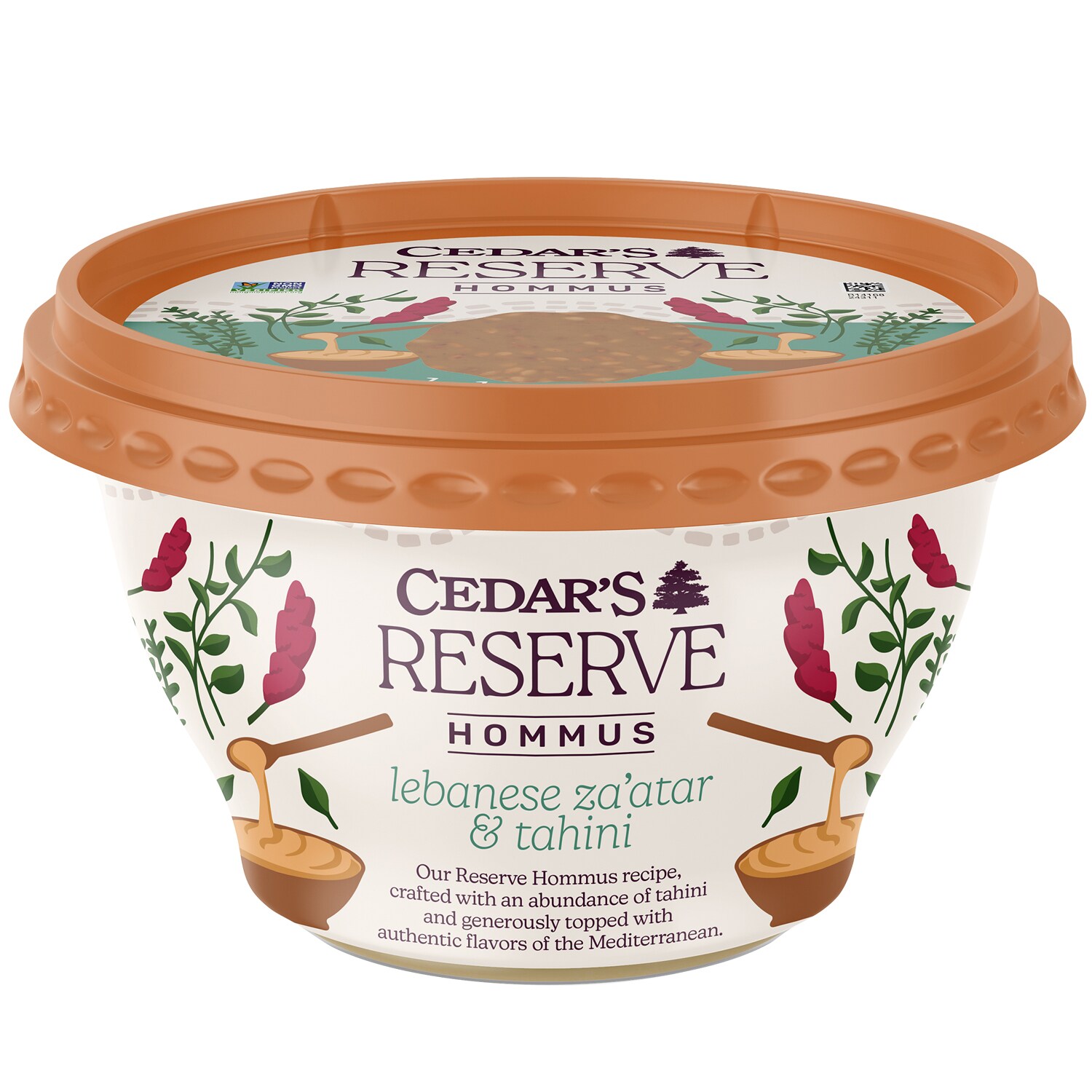
At a glance
Summary
This product contains beneficial ingredients like chickpeas, tahini, and onions, which provide protein, healthy fats, and antioxidants. However, the presence of vegetable oil, likely a blend of seed oils, and added sugar detracts from its healthiness. The product is moderately processed and includes several additives, which further impacts its overall score.
Key ingredients 12
ChickpeasGood
Chickpeas are a rich source of plant-based protein and fiber, supporting digestive health and satiety. They contain essential nutrients like folate, iron, and phosphorus. As a whole food, they contribute positively to a balanced diet.
Benefits
High in protein and fiber, chickpeas support digestive health and provide essential nutrients like folate and iron.
TahiniGood
Tahini, made from sesame seeds, is a good source of healthy fats, protein, and minerals like calcium and magnesium. It provides a rich, nutty flavor and contributes to the creamy texture of the product. As a whole seed paste, it offers nutritional benefits without the drawbacks of seed oils.
Risks
Potential allergen for individuals with sesame allergies.
Benefits
Rich in healthy fats and minerals, tahini supports bone health and provides a creamy texture.
OnionGood
Onions are low in calories and rich in antioxidants, particularly quercetin, which has anti-inflammatory properties. They add flavor and nutritional value to the product. Onions also contain vitamins and minerals that support overall health.
Benefits
Rich in antioxidants and vitamins, onions support immune function and add flavor.
Garlic PowderGood
Concentrated whole-food seasoning.
Benefits
Provides flavor and some antioxidant properties, though less than fresh garlic.
OreganoGood
Oregano is a herb rich in antioxidants and has antimicrobial properties. It adds flavor and potential health benefits to the product. As a natural ingredient, it enhances the nutritional profile of the product.
Benefits
Rich in antioxidants and adds flavor, supporting overall health.
WaterNeutral
Water is used as a solvent and to adjust the consistency of the product. It is a neutral ingredient with no direct nutritional impact. Its presence is essential for achieving the desired texture.
See more about Water →SaltNeutral
Salt is used to enhance flavor and preserve the product. It is a common ingredient in processed foods but should be consumed in moderation due to potential health risks. The type of salt used is not specified, which affects its nutritional evaluation.
Risks
Excessive sodium intake can lead to hypertension and cardiovascular issues.
Benefits
Enhances flavor and acts as a preservative.
Acidity RegulatorsNeutral
Acidity regulators like E575, E330, and E260 are used to maintain the pH and stability of the product. They are generally recognized as safe when used in food products. These additives help preserve the product and enhance its shelf life.
Benefits
Help maintain product stability and extend shelf life.
PreservativeNeutral
Preservative E202 is used to inhibit microbial growth and extend the shelf life of the product. It is commonly used in food products and is considered safe in regulated amounts. Its primary function is to prevent spoilage.
Benefits
Prevents spoilage and extends shelf life.
PepperNeutral
Pepper is used for seasoning and adds a spicy flavor to the product. It contains piperine, which may enhance nutrient absorption. However, its nutritional impact is minimal in small quantities.
Benefits
Adds flavor and may enhance nutrient absorption.
SugarBad
Refined sugar is added for sweetness but offers no nutritional benefits and can contribute to health issues like obesity and diabetes. It is a processed ingredient that can lead to blood sugar spikes. Its presence in the product is primarily for taste enhancement.
Risks
Excessive consumption can lead to obesity, diabetes, and other metabolic disorders.
Vegetable OilVery Bad
Vegetable oil, often a blend of seed oils, is high in omega-6 fatty acids, which can promote inflammation. The processing methods used to extract these oils often involve high heat and chemicals. This ingredient is considered unhealthy due to its potential to disrupt the omega-3 to omega-6 balance.
Risks
High omega-6 content may promote inflammation when consumed in excess.
Processing
Processed Foods
Get the full breakdown in the Scout appTake Scout shopping
Scan any product to see lab results, healthy alternatives, and your personalized analysis.
Download on theApp Store GET IT ONGoogle Play