


At a glance
Summary
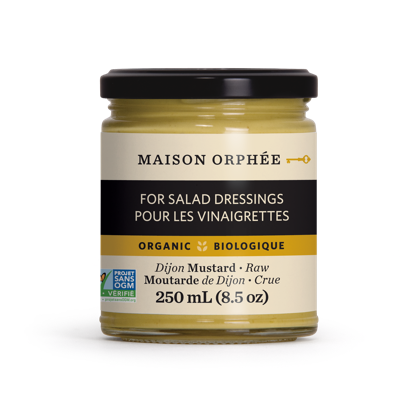
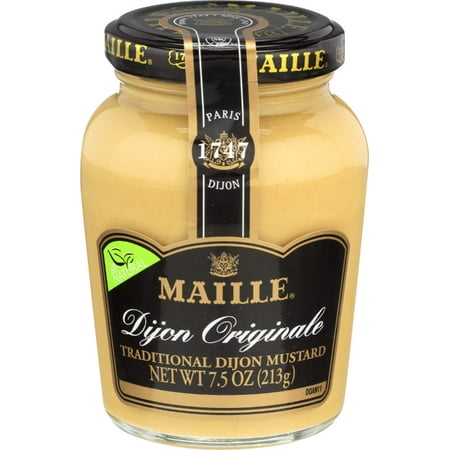
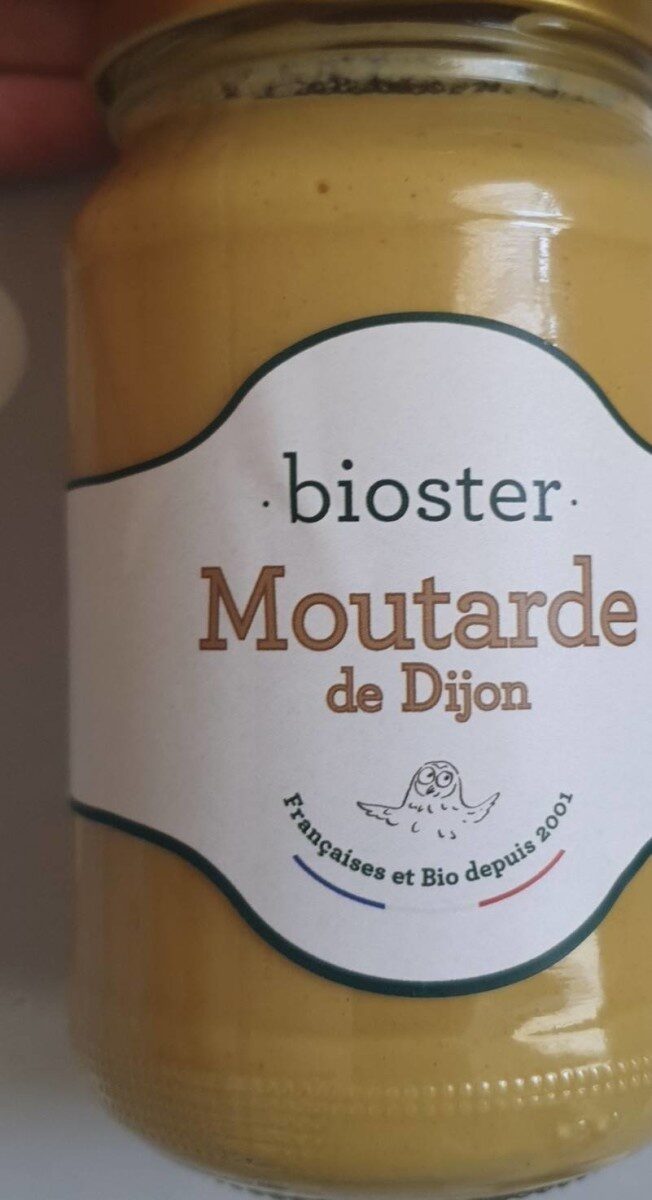
This Dijon mustard is a processed food with a relatively clean ingredient list, but it contains potassium metabisulfite, a synthetic preservative that can cause allergic reactions in sensitive individuals. The presence of this preservative and the level of processing limit its health score, despite the absence of seed oils and artificial sweeteners or colors.
Key ingredients 6
WaterNeutral
Water is a neutral ingredient used as a base in many food products. It does not contribute any significant nutritional value. It is essential for mixing and consistency in the product.
See more about Water →Mustard seedNeutral
Mustard seed is a natural ingredient that provides flavor and some nutritional benefits. It contains compounds that may have antioxidant properties. However, its contribution to overall nutrition in small quantities is limited.
Risks
May cause allergic reactions in sensitive individuals.
Benefits
Contains antioxidants and may have anti-inflammatory properties.
VinegarNeutral
Vinegar is used for its acidic properties and flavor enhancement. It is a natural preservative and can aid in digestion. The nutritional impact is minimal due to the small quantities used.
Risks
Excessive consumption may lead to enamel erosion or digestive discomfort.
Benefits
May aid in digestion and act as a natural preservative.
SaltNeutral
Salt is used for flavor enhancement and preservation. It is a common culinary ingredient but does not provide additional nutritional benefits. High sodium intake can be a concern for some individuals.
Risks
High sodium intake can lead to increased blood pressure and cardiovascular issues.
Benefits
Essential for flavor and preservation in food products.
Citric acidNeutral
Citric acid is used as an acidulant and preservative in food products. It is naturally found in citrus fruits and is generally recognized as safe. It helps maintain the stability and flavor of the product.
Risks
May cause irritation or allergic reactions in sensitive individuals.
Benefits
Helps preserve the product and enhance flavor stability.
Potassium metabisulfiteBad
Potassium metabisulfite is a preservative that prevents spoilage and oxidation. It is a synthetic additive and can cause allergic reactions in sensitive individuals. Its use is regulated due to potential health concerns.
Risks
Can cause allergic reactions, particularly in individuals with asthma.
Benefits
Extends shelf life by preventing spoilage and oxidation.
Processing
Processed Foods
Get the full breakdown in the Scout appTake Scout shopping
Scan any product to see lab results, healthy alternatives, and your personalized analysis.
Download on theApp Store GET IT ONGoogle Play