
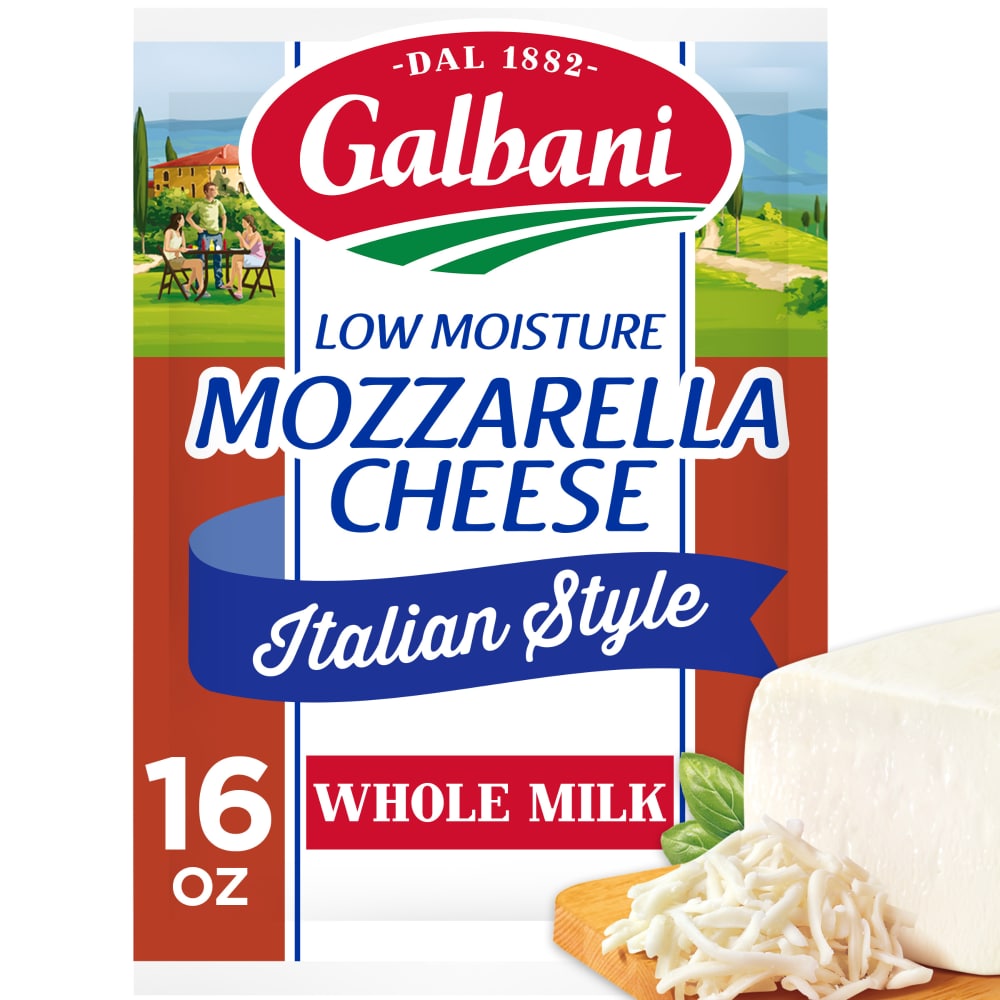
Mozarella

Galbani
78 Good
View on Amazon

Summary

This mozzarella cheese is made from pasteurized milk, providing a good source of protein and essential nutrients. However, it includes powdered cellulose as an anti-caking agent, which is a processed additive that contributes to its level of processing. While the ingredient list is relatively clean, the presence of this additive and the processing level limit its score.

At a glance

Beneficial ingredients 1
Harmful ingredients 1
Owned by Lactalis Group
Category Cheese

Key ingredients 8

Pasteurized Milk
Good

Pasteurized milk is a primary ingredient in cheese, providing essential nutrients like calcium and protein. The pasteurization process ensures safety by eliminating harmful bacteria. It is a high-quality source of animal protein with a complete amino acid profile.

Benefits

Rich in calcium and protein, supporting bone health and muscle maintenance.

See more about Pasteurized Milk →
Cheese Cultures
Neutral

Cheese cultures are used to ferment milk, aiding in the cheese-making process. They contribute to the development of flavor and texture in cheese. These cultures are generally considered safe and beneficial for fermentation.

Benefits

Contributes to the development of flavor and texture in cheese.

Salt
Neutral

Salt is used in cheese for flavor enhancement and preservation. It helps control the growth of unwanted bacteria during cheese aging. While necessary in cheese production, excessive sodium intake can be a health concern.

Risks

High sodium intake can contribute to hypertension and cardiovascular issues.

Benefits

Essential for flavor and preservation in cheese production.

See more about Salt →
Enzymes
Neutral

Enzymes are used in cheese-making to coagulate milk, forming curds. They are crucial for the texture and structure of cheese. Typically derived from animal or microbial sources, they are safe and effective in cheese production.

Benefits

Essential for coagulating milk and forming cheese curds.

See more about Enzymes →
Vinegar
Neutral

Vinegar is used in cheese-making to adjust acidity and aid in curd formation. It is a natural ingredient that can enhance flavor. While generally safe, it should be used in moderation due to its acidity.

Risks

Excessive consumption of vinegar can lead to enamel erosion and digestive issues.

Benefits

Helps in adjusting acidity and enhancing flavor in cheese.

See more about Vinegar →
Citric Acid
Neutral

Citric acid is used to acidify milk in cheese-making, aiding in curd formation. It is a naturally occurring acid found in citrus fruits. While generally safe, excessive consumption can cause digestive discomfort.

Risks

Excessive consumption can lead to digestive discomfort.

Benefits

Aids in curd formation by acidifying milk.

See more about Citric Acid →
Rice Flour
Neutral

Rice flour is used as an anti-caking agent in shredded cheese products. It helps prevent clumping and ensures even distribution. It is gluten-free and generally considered safe.

Benefits

Prevents clumping in shredded cheese, ensuring even distribution.

See more about Rice Flour →
Powdered Cellulose
Bad

Powdered cellulose is used as an anti-caking agent in shredded cheese. It is derived from plant fibers and is considered a processed additive. While generally recognized as safe, it adds no nutritional value and is a sign of processing.

Risks

May indicate a higher level of processing and adds no nutritional value.

Benefits

Helps prevent clumping in shredded cheese products.

See more about Powdered Cellulose →

Processing

Group 3 · Processed

Processed Foods

Get the full breakdown in the Scout app

Scan any product to see lab results, healthy alternatives, and your personalized analysis.

Download on theApp Store