
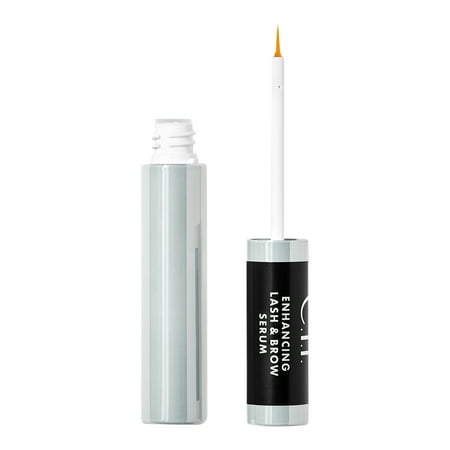

e.l.f. Lash & Brow Enhancing Serum
Analysis updated September 2026 · How Scout scores
At a glance
Summary
This serum contains beneficial ingredients like glycerin, sodium hyaluronate, and castor seed oil, which provide hydration and nourishment. However, it also includes potentially irritating preservatives such as glyoxal and phenoxyethanol, which can cause skin sensitivity. The presence of these preservatives, along with sodium metabisulfite and sodium nitrate, affects the overall safety profile of the product.
Key ingredients 19
Camellia Sinensis Leaf ExtractVery Good
Camellia Sinensis Leaf Extract, commonly known as green tea extract, is rich in antioxidants and has anti-inflammatory properties. It helps protect the skin from free radical damage and soothes irritation. It is widely used in skincare for its numerous benefits.
Risks
Generally safe, but may cause irritation in very sensitive skin.
Benefits
Protects against oxidative stress and calms the skin.
Ricinus Communis (Castor) Seed OilVery Good
Castor Seed Oil is a natural oil known for its moisturizing and conditioning properties. It helps nourish and strengthen hair and skin. It is well-regarded for its ability to enhance lash and brow health.
Risks
May cause allergic reactions in some individuals.
Benefits
Deeply moisturizes and conditions, promoting healthy hair growth.
GlycerinGood
Glycerin is a humectant that attracts moisture to the skin, helping to keep it hydrated. It is widely used in skincare for its moisturizing properties. It is generally well-tolerated and beneficial for most skin types.
Risks
Rarely, it may cause irritation in very sensitive skin.
Benefits
Helps maintain skin hydration and improves skin barrier function.
Sodium HyaluronateGood
Sodium Hyaluronate is a form of hyaluronic acid that provides intense hydration by attracting and retaining moisture in the skin. It is highly beneficial for maintaining skin elasticity and smoothness. It is well-tolerated and suitable for all skin types.
Benefits
Deeply hydrates and plumps the skin, reducing the appearance of fine lines.
Larix Europaea Wood ExtractGood
Larix Europaea Wood Extract is derived from the European Larch tree and is known for its antioxidant properties. It helps protect the skin from environmental damage. It is considered beneficial for skin health.
Risks
Rarely, it may cause mild irritation in sensitive skin.
Benefits
Provides antioxidant protection and supports skin health.
Panax Ginseng Root ExtractGood
Panax Ginseng Root Extract is known for its revitalizing and anti-aging properties. It helps improve skin elasticity and reduce the appearance of wrinkles. It is beneficial for maintaining youthful skin.
Risks
May cause irritation in sensitive skin types.
Benefits
Enhances skin vitality and reduces signs of aging.
GlycineGood
Beneficial ingredient — whole-food or functional value in this product class.
Benefits
Improves skin texture and hydration.
EthylhexylglycerinGood
Ethylhexylglycerin is a conditioning agent and preservative enhancer. It helps improve skin feel and extends the shelf life of the product. It is considered safe and effective in cosmetics.
Risks
May cause mild irritation in very sensitive skin.
Benefits
Improves skin feel and enhances product preservation.
Water (Aqua)Neutral
Water is a common solvent used in cosmetics to dissolve other ingredients. It helps in the application and absorption of the product. It does not provide direct benefits or risks.
Benefits
Acts as a solvent and carrier for other ingredients.
Polysorbate 20Neutral
Polysorbate 20 is an emulsifier that helps blend oil and water-based ingredients. It is commonly used in cosmetics to stabilize formulations. It is generally considered safe for use in cosmetics.
Risks
May cause mild irritation in sensitive individuals.
Benefits
Improves product texture and stability.
HydroxyethylcelluloseNeutral
Hydroxyethylcellulose is a thickening agent used to improve the texture of cosmetic products. It helps in forming a gel-like consistency. It is considered safe and non-irritating.
Benefits
Enhances product texture and application.
Zinc ChlorideNeutral
Zinc Chloride is used in cosmetics for its astringent and antiseptic properties. It helps tighten the skin and reduce oiliness. It is generally safe in low concentrations.
Risks
Can be irritating to the skin if used in high concentrations.
Benefits
Provides astringent and antiseptic benefits.
TromethamineNeutral
Tromethamine is used as a pH adjuster in cosmetic formulations. It helps maintain the stability and efficacy of the product. It is generally considered safe for use in cosmetics.
Benefits
Maintains product stability and efficacy.
Caprylyl GlycolNeutral
Standard formulation ingredient — neither beneficial nor harmful at typical use.
Risks
Rarely, it may cause mild irritation in sensitive skin.
Benefits
Moisturizes the skin and enhances product preservation.
Disodium EDTABad
Processed additive flagged under Scout's ingredient doctrine.
Risks
May cause irritation in sensitive skin if used in high concentrations.
Benefits
Stabilizes formulations and extends product shelf life.
Sodium MetabisulfiteBad
Sodium Metabisulfite is a preservative that can cause allergic reactions and skin irritation in sensitive individuals. It is used to prevent microbial growth in cosmetics. Its potential to cause irritation makes it a concern for sensitive skin.
Risks
Can cause allergic reactions and irritation, especially in sensitive skin.
Benefits
Prevents microbial growth, extending product shelf life.
Sodium NitrateBad
Sodium Nitrate is used as a preservative and color fixative in cosmetics. It can be irritating to the skin and has potential health concerns when used in high concentrations. Its use in cosmetics is limited due to these concerns.
Risks
Potential skin irritant and health concerns at high concentrations.
Benefits
Acts as a preservative and color fixative.
PhenoxyethanolBad
Phenoxyethanol is a preservative that can cause skin irritation and allergic reactions in some individuals. It is used to prevent microbial growth in cosmetics. Its potential to cause irritation makes it a concern for sensitive skin.
Risks
Can cause skin irritation and allergic reactions.
Benefits
Prevents microbial growth, extending product shelf life.
GlyoxalVery Bad
Glyoxal is a preservative that can be highly irritating and is a potential skin sensitizer. It is not commonly used in cosmetics due to its potential health risks. Its presence in cosmetics is concerning due to its irritant properties.
Risks
Highly irritating and a potential skin sensitizer.
Benefits
Acts as a preservative, preventing microbial growth.
Get the full breakdown in the Scout appTake Scout shopping
Scan any product to see lab results, healthy alternatives, and your personalized analysis.
Download on theApp Store GET IT ONGoogle PlayAmazon pricing & content
Amazon price as of . Product prices and availability are accurate as of the date/time indicated and are subject to change. Any price and availability information displayed on Amazon.com at the time of purchase will apply to the purchase of this product.
CERTAIN CONTENT THAT APPEARS ON THIS SITE COMES FROM AMAZON. THIS CONTENT IS PROVIDED “AS IS” AND IS SUBJECT TO CHANGE OR REMOVAL AT ANY TIME.