
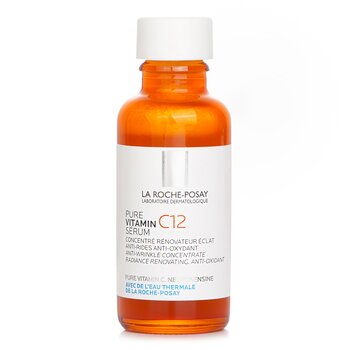
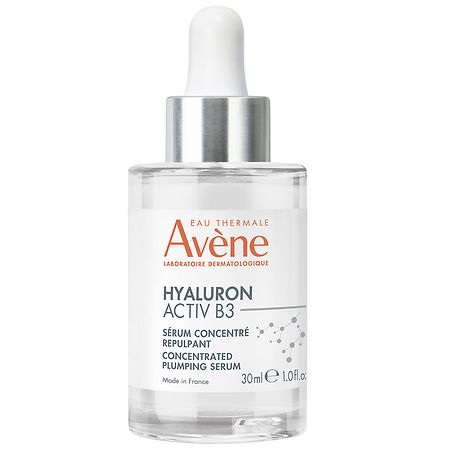
La Roche PosayPure Vitamin C12 Serum Anti Wrinkle Concentrate, Radiance Renovating, Anti-oxidant 30ml
Analysis updated August 2026 · How Scout scores
At a glance
Summary
This serum contains beneficial ingredients like Vitamin C, glycerin, and hyaluronic acid, which are known for their antioxidant and moisturizing properties. However, the presence of denatured alcohol as a top ingredient can be drying and irritating to the skin, and the inclusion of polyacrylamide raises concerns due to potential contamination risks. Additionally, the use of fragrance can be problematic for sensitive skin, impacting the overall safety profile of the product.
Key ingredients 30
Hydrolyzed Hyaluronic AcidVery Good
Hydrolyzed Hyaluronic Acid is a smaller molecule form of hyaluronic acid that penetrates the skin more deeply. It provides excellent hydration and plumping effects.
Risks
Generally safe with minimal risk of irritation.
Benefits
Deeply hydrates and plumps the skin, reducing fine lines.
Ascorbic AcidGood
Ascorbic Acid, or Vitamin C, is a potent antioxidant that helps protect the skin from free radical damage. It also aids in collagen production, improving skin texture and reducing wrinkles.
Risks
May cause irritation in sensitive skin types if used in high concentrations.
Benefits
Brightens the skin and reduces signs of aging.
GlycerinGood
Glycerin is a humectant that attracts moisture to the skin, keeping it hydrated. It is widely used in skincare for its moisturizing properties.
Risks
Generally considered safe with minimal risk of irritation.
Benefits
Helps maintain skin hydration and smoothness.
Sodium HyaluronateGood
Sodium Hyaluronate is a form of hyaluronic acid that is highly effective at retaining moisture in the skin. It helps to plump the skin and reduce the appearance of fine lines.
Risks
Generally safe with minimal risk of irritation.
Benefits
Provides intense hydration and improves skin elasticity.
AdenosineGood
Adenosine is a beneficial ingredient known for its anti-wrinkle and skin-soothing properties. It helps to improve skin smoothness and reduce the appearance of fine lines.
Risks
Rarely causes irritation or allergic reactions.
Benefits
Enhances skin smoothness and reduces signs of aging.
Caprylic/Capric TriglycerideGood
This ingredient is an emollient derived from coconut oil and glycerin. It helps to moisturize and replenish the skin's barrier.
Risks
Generally considered safe with low risk of irritation.
Benefits
Moisturizes and softens the skin effectively.
Acetyl Dipeptide-1 Cetyl EsterGood
This peptide is known for its skin-soothing and anti-aging properties. It helps to reduce the appearance of fine lines and improve skin texture.
Risks
Generally considered safe with low risk of irritation.
Benefits
Reduces fine lines and enhances skin smoothness.
TocopherolGood
Tocopherol, or Vitamin E, is a powerful antioxidant that helps protect the skin from free radical damage. It also has moisturizing and skin-soothing properties.
Risks
Generally considered safe with low risk of irritation.
Benefits
Protects the skin and enhances moisture retention.
Salicylic AcidGood
Salicylic Acid is a beta hydroxy acid known for its exfoliating and acne-fighting properties. It helps to unclog pores and improve skin texture.
Risks
May cause irritation or dryness in sensitive skin.
Benefits
Exfoliates the skin and reduces acne.
Aqua/Water/EauNeutral
Water is a common solvent used in cosmetic formulations. It helps dissolve other ingredients and provides a base for the serum. It does not have any direct benefits or risks.
Benefits
Provides a medium for other ingredients to be delivered to the skin.
Potassium HydroxideNeutral
Potassium Hydroxide is used to adjust the pH of cosmetic formulations. It is a strong base and must be used in controlled amounts.
Risks
Can be irritating if used in high concentrations.
Benefits
Ensures the product maintains a skin-friendly pH level.
Polysilicone-11Neutral
Polysilicone-11 is a silicone elastomer that provides a smooth, silky feel to the skin. It helps to fill in fine lines and create a blurring effect.
Risks
May cause buildup on the skin if not properly cleansed.
Benefits
Improves the texture and appearance of the skin.
SilicaNeutral
Silica is used as a thickening agent and to improve the texture of cosmetic products. It also helps to absorb excess oil on the skin.
Risks
Inhalation of silica particles can be harmful, but this is not a concern in topical applications.
Benefits
Provides a matte finish and improves product stability.
Pentaerythrityl TetraethylhexanoateNeutral
This ingredient is an emollient that helps to soften and smooth the skin. It is used to improve the texture and spreadability of the product.
Risks
Generally considered safe with low risk of irritation.
Benefits
Enhances skin softness and product application.
PEG-20 Methyl Glucose SesquistearateNeutral
This is an emulsifier that helps to blend oil and water-based ingredients. It improves the stability and consistency of the product.
Risks
May cause irritation in very sensitive skin.
Benefits
Ensures a uniform and stable product formulation.
Poloxamer 338Neutral
Poloxamer 338 is a surfactant and emulsifying agent used to stabilize formulations. It helps to mix oil and water components effectively.
Risks
Generally considered safe with low risk of irritation.
Benefits
Improves product stability and consistency.
Ammonium Polyacryloyldimethyl TaurateNeutral
This ingredient is used as a thickening and stabilizing agent in cosmetics. It helps to create a smooth, gel-like texture.
Risks
Generally considered safe with low risk of irritation.
Benefits
Enhances product texture and stability.
Caprylyl GlycolNeutral
Caprylyl Glycol is used as a skin conditioning agent and preservative booster. It helps to improve the shelf life of the product.
Risks
Generally considered safe with low risk of irritation.
Benefits
Enhances product preservation and skin conditioning.
Citric AcidNeutral
Citric Acid is used to adjust the pH of cosmetic formulations. It also acts as a mild exfoliant, helping to improve skin texture.
Risks
May cause irritation in sensitive skin if used in high concentrations.
Benefits
Helps maintain product pH and gently exfoliates the skin.
Laureth-7Neutral
Laureth-7 is a surfactant and emulsifier used to stabilize formulations. It helps to blend oil and water components effectively.
Risks
May cause irritation in sensitive skin.
Benefits
Improves product stability and consistency.
Trisodium Ethylenediamine DisuccinateNeutral
This ingredient is a chelating agent that helps to stabilize formulations by binding metal ions. It improves the efficacy and shelf life of the product.
Risks
Generally considered safe with low risk of irritation.
Benefits
Enhances product stability and effectiveness.
Bis-PEG/PPG-16/16 PEG/PPG-16/16 DimethiconeNeutral
This is a silicone-based polymer used to improve the texture and spreadability of the product. It provides a smooth, silky feel on the skin.
Risks
May cause buildup on the skin if not properly cleansed.
Benefits
Improves product application and skin feel.
Xanthan GumNeutral
Xanthan Gum is a natural thickening agent used to stabilize formulations. It helps to create a smooth, gel-like texture.
Risks
Generally considered safe with low risk of irritation.
Benefits
Enhances product texture and stability.
Pentylene GlycolNeutral
Pentylene Glycol is used as a humectant and solvent in cosmetics. It helps to retain moisture and improve product spreadability.
Risks
Generally considered safe with low risk of irritation.
Benefits
Enhances skin hydration and product application.
C13-14 IsoalkaneNeutral
C13-14 Isoalkane is used as an emollient and solvent in cosmetics. It helps to improve the texture and spreadability of the product.
Risks
Generally considered safe with low risk of irritation.
Benefits
Enhances product application and skin feel.
Pentaerythrityl Tetra-Di-T-Butyl HydroxyhydrocinnamateNeutral
This ingredient is an antioxidant used to stabilize formulations and prevent oxidation. It helps to extend the shelf life of the product.
Risks
Generally considered safe with low risk of irritation.
Benefits
Enhances product stability and longevity.
DimethiconeBad
Occlusive silicone film-former — flagged under clean-beauty doctrine.
Risks
May cause breakouts in acne-prone skin due to its occlusive nature.
Benefits
Improves product spreadability and provides a silky feel.
Alcohol DenatVery Bad
Denatured alcohol is used as a solvent and astringent in cosmetics. It can be drying and irritating to the skin, especially in high concentrations.
Risks
May cause dryness and irritation, particularly in sensitive skin.
Benefits
Helps other ingredients penetrate the skin more effectively.
PolyacrylamideVery Bad
Polyacrylamide is used as a thickening agent and film former in cosmetics. It is controversial due to potential contamination with acrylamide, a known neurotoxin.
Risks
Potential contamination with acrylamide poses health risks.
Benefits
Improves product texture and film-forming properties.
Parfum/FragranceVery Bad
Fragrance is used to impart a pleasant scent to cosmetic products. It is a common allergen and can cause irritation, especially in sensitive skin.
Risks
Potential allergen and irritant, especially for sensitive skin.
Benefits
Provides a pleasant scent to the product.
Get the full breakdown in the Scout appTake Scout shopping
Scan any product to see lab results, healthy alternatives, and your personalized analysis.
Download on theApp Store GET IT ONGoogle PlayAmazon pricing & content
Amazon price as of . Product prices and availability are accurate as of the date/time indicated and are subject to change. Any price and availability information displayed on Amazon.com at the time of purchase will apply to the purchase of this product.
CERTAIN CONTENT THAT APPEARS ON THIS SITE COMES FROM AMAZON. THIS CONTENT IS PROVIDED “AS IS” AND IS SUBJECT TO CHANGE OR REMOVAL AT ANY TIME.