
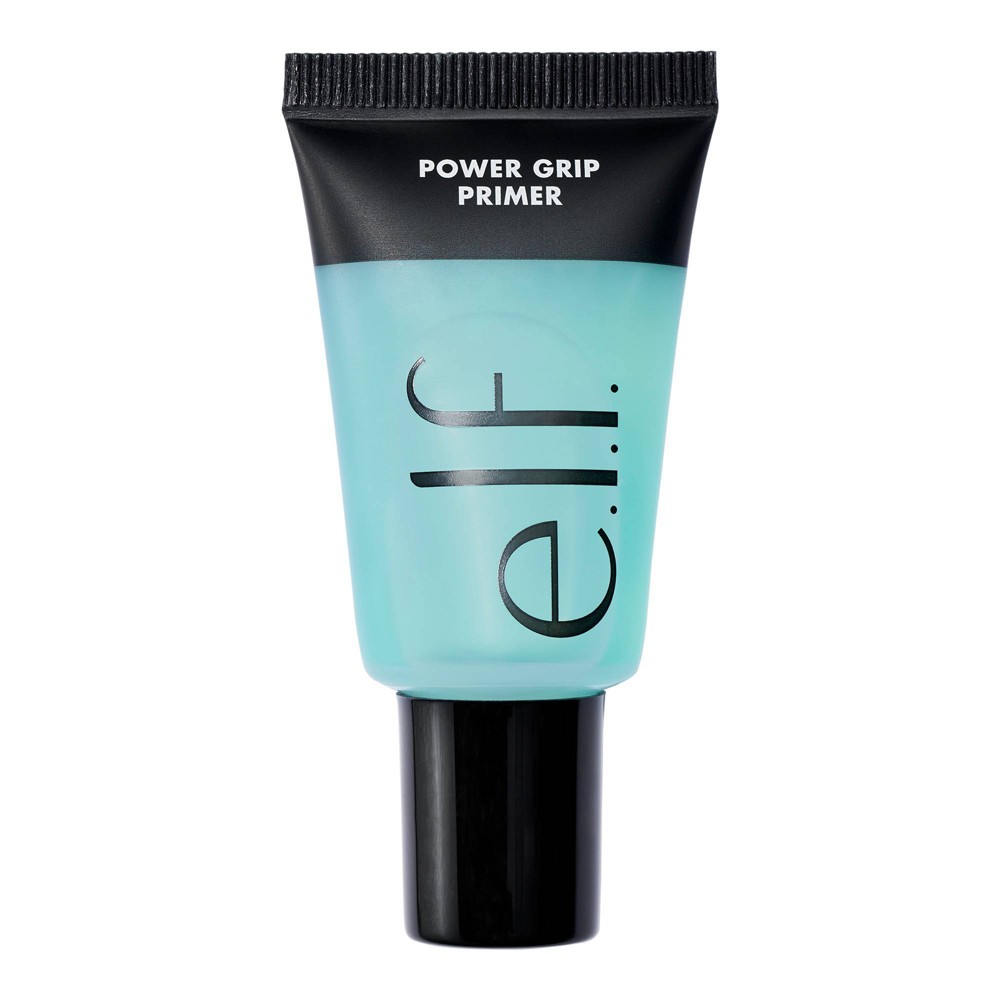

e.l.f. Power Grip Primer Mini - Iridescent - 0.5 fl oz: Contains Hyaluronic Acid, Vegan, Recommended for Normal Skin
Analysis updated August 2026 · How Scout scores
At a glance
Summary
This primer contains beneficial ingredients like niacinamide and sodium hyaluronate, which are known for their moisturizing and skin-enhancing properties. However, the presence of synthetic dyes and phenoxyethanol, which can cause skin irritation and sensitivity, affects its overall safety profile. The product is moderately processed, which also influences its rating.
Key ingredients 24
GlycerinGood
Glycerin is a well-known humectant that attracts moisture to the skin. It is beneficial for maintaining skin hydration and improving skin barrier function. It is widely used in skincare for its moisturizing properties.
Risks
There are minimal risks associated with glycerin, though it may cause irritation in very sensitive skin.
Benefits
Glycerin helps in keeping the skin soft and hydrated.
NiacinamideGood
Niacinamide is a form of Vitamin B3 that offers multiple skin benefits, including improving skin tone and texture. It helps in reducing inflammation and enhancing the skin barrier. It is highly regarded in skincare for its versatility and effectiveness.
Risks
There are minimal risks, though it may cause mild irritation in sensitive skin.
Benefits
Niacinamide improves skin texture, reduces inflammation, and strengthens the skin barrier.
Rosmarinus Officinalis (Rosemary) Leaf WaterGood
Rosemary Leaf Water is derived from rosemary and is known for its antioxidant properties. It helps in protecting the skin from environmental damage. It also has a soothing effect on the skin.
Risks
There is a potential for allergic reactions in sensitive individuals.
Benefits
It provides antioxidant protection and soothes the skin.
Melissa Officinalis Flower/Leaf/Stem WaterGood
Melissa Officinalis, also known as lemon balm, is known for its calming and soothing properties. It helps in reducing skin irritation and redness. It is beneficial for sensitive skin types.
Risks
There is a potential for allergic reactions in sensitive individuals.
Benefits
It soothes and calms irritated skin.
Sodium HyaluronateGood
Sodium Hyaluronate is a form of hyaluronic acid that is highly effective in retaining moisture in the skin. It helps in keeping the skin hydrated and plump. It is a popular ingredient in skincare for its excellent moisturizing properties.
Risks
There are minimal risks associated with sodium hyaluronate.
Benefits
It provides deep hydration and helps maintain skin elasticity.
Sodium Ascorbyl PhosphateGood
Sodium Ascorbyl Phosphate is a stable form of Vitamin C that offers antioxidant benefits. It helps in brightening the skin and reducing signs of aging. It is well-tolerated by most skin types.
Risks
There are minimal risks, though it may cause irritation in very sensitive skin.
Benefits
It brightens the skin and provides antioxidant protection.
Water (Aqua)Neutral
Water is a common solvent used in cosmetics to dissolve other ingredients. It helps in the application and absorption of the product. It does not provide any direct benefits or risks.
Risks
There are no significant risks associated with water in cosmetics.
Benefits
Water helps in the even distribution of other ingredients.
Butylene GlycolNeutral
Butylene Glycol is a common humectant that helps retain moisture in the skin. It also acts as a solvent and improves the texture of the product. It is generally considered safe for use in cosmetics.
Risks
In rare cases, it may cause irritation or allergic reactions.
Benefits
It helps in keeping the skin hydrated and improves product spreadability.
PEG-150 DistearateNeutral
PEG-150 Distearate is an emulsifier that helps blend water and oil components. It improves the texture and stability of the product. It is generally considered safe for use in cosmetics.
Risks
There is a potential risk of contamination with ethylene oxide or 1,4-dioxane.
Benefits
It helps in maintaining the consistency and stability of the product.
Mentha Piperita (Peppermint) Leaf WaterNeutral
Peppermint Leaf Water is derived from peppermint and is known for its cooling and refreshing properties. It can provide a soothing sensation on the skin. However, it may cause irritation in sensitive skin.
Risks
It may cause irritation or allergic reactions in sensitive skin.
Benefits
It provides a cooling and refreshing sensation.
MentholNeutral
Menthol is known for its cooling and soothing properties. It provides a refreshing sensation on the skin. However, it may cause irritation in sensitive skin.
Risks
It may cause irritation or allergic reactions in sensitive skin.
Benefits
It provides a cooling and soothing effect.
Pentylene GlycolNeutral
Pentylene Glycol is a synthetic humectant that helps retain moisture in the skin. It also acts as a solvent and preservative booster. It is generally considered safe for use in cosmetics.
Risks
There are minimal risks, though it may cause irritation in very sensitive skin.
Benefits
It helps in keeping the skin hydrated and enhances product preservation.
PEG-240/Hdi Copolymer Bis-Decyltetradeceth-20 EtherNeutral
This ingredient is used as a film-forming agent and emulsifier in cosmetics. It helps in improving the texture and stability of the product. It is generally considered safe for use.
Risks
There is a potential risk of contamination with ethylene oxide or 1,4-dioxane.
Benefits
It enhances the texture and stability of the formulation.
PEG-40 Hydrogenated Castor OilNeutral
PEG-40 Hydrogenated Castor Oil is an emulsifier that helps blend oil and water components. It improves the texture and stability of cosmetic products. It is generally regarded as safe for use.
Risks
There is a potential risk of contamination with ethylene oxide or 1,4-dioxane.
Benefits
It enhances the texture and stability of the formulation.
EthylhexylglycerinNeutral
Ethylhexylglycerin is a preservative and skin conditioning agent. It enhances the efficacy of other preservatives and provides mild skin conditioning benefits. It is generally considered safe for use in cosmetics.
Risks
There are minimal risks, though it may cause irritation in very sensitive skin.
Benefits
It enhances preservative efficacy and provides mild skin conditioning.
Caprylyl GlycolNeutral
Caprylyl Glycol is a skin conditioning agent and preservative booster. It helps in keeping the skin hydrated and enhances the efficacy of other preservatives. It is generally considered safe for use in cosmetics.
Risks
There are minimal risks, though it may cause irritation in very sensitive skin.
Benefits
It helps in keeping the skin hydrated and enhances preservative efficacy.
Trideceth-9Neutral
Trideceth-9 is an emulsifier and surfactant used in cosmetics to improve texture and stability. It helps in blending oil and water components. It is generally considered safe for use.
Risks
There is a potential risk of contamination with ethylene oxide or 1,4-dioxane.
Benefits
It enhances the texture and stability of the formulation.
1, 2-HexanediolNeutral
1, 2-Hexanediol is a humectant and preservative booster used in cosmetics. It helps in retaining moisture and enhancing the efficacy of other preservatives. It is generally considered safe for use.
Risks
There are minimal risks, though it may cause irritation in very sensitive skin.
Benefits
It helps in keeping the skin hydrated and enhances preservative efficacy.
Blue 1 (Ci 42090)Neutral
Blue 1 is a synthetic colorant used to impart color to cosmetic products. It is approved for use in cosmetics and is generally considered safe. However, it may cause allergic reactions in some individuals.
Risks
It may cause allergic reactions in sensitive individuals.
Benefits
It provides color to the product.
Polysorbate 80Bad
Processed additive flagged under Scout's ingredient doctrine.
Risks
There is a potential risk of contamination with ethylene oxide or 1,4-dioxane.
Benefits
It enhances the texture and stability of the formulation.
Propylene GlycolBad
Processed additive flagged under Scout's ingredient doctrine.
Risks
In rare cases, it may cause irritation or allergic reactions.
Benefits
It helps in keeping the skin hydrated and improves product spreadability.
PhenoxyethanolBad
Phenoxyethanol is a preservative used to prevent microbial growth in cosmetics. It is effective in low concentrations but can cause irritation in some individuals. It is considered a potential skin irritant and allergen.
Risks
It may cause irritation or allergic reactions, especially in sensitive skin.
Benefits
It helps in preserving the product by preventing microbial growth.
Disodium EDTABad
Processed additive flagged under Scout's ingredient doctrine.
Risks
There are minimal risks, though it may cause irritation in very sensitive skin.
Benefits
It helps in stabilizing the formulation by binding metal ions.
Yellow 5 (Ci 19140)Very Bad
Heavily flagged ingredient class under Scout's doctrine.
Risks
It may cause allergic reactions in sensitive individuals.
Benefits
It provides color to the product.
Processing
Processed Foods
Get the full breakdown in the Scout appTake Scout shopping
Scan any product to see lab results, healthy alternatives, and your personalized analysis.
Download on theApp Store GET IT ONGoogle PlayAmazon pricing & content
Amazon price as of . Product prices and availability are accurate as of the date/time indicated and are subject to change. Any price and availability information displayed on Amazon.com at the time of purchase will apply to the purchase of this product.
CERTAIN CONTENT THAT APPEARS ON THIS SITE COMES FROM AMAZON. THIS CONTENT IS PROVIDED “AS IS” AND IS SUBJECT TO CHANGE OR REMOVAL AT ANY TIME.