
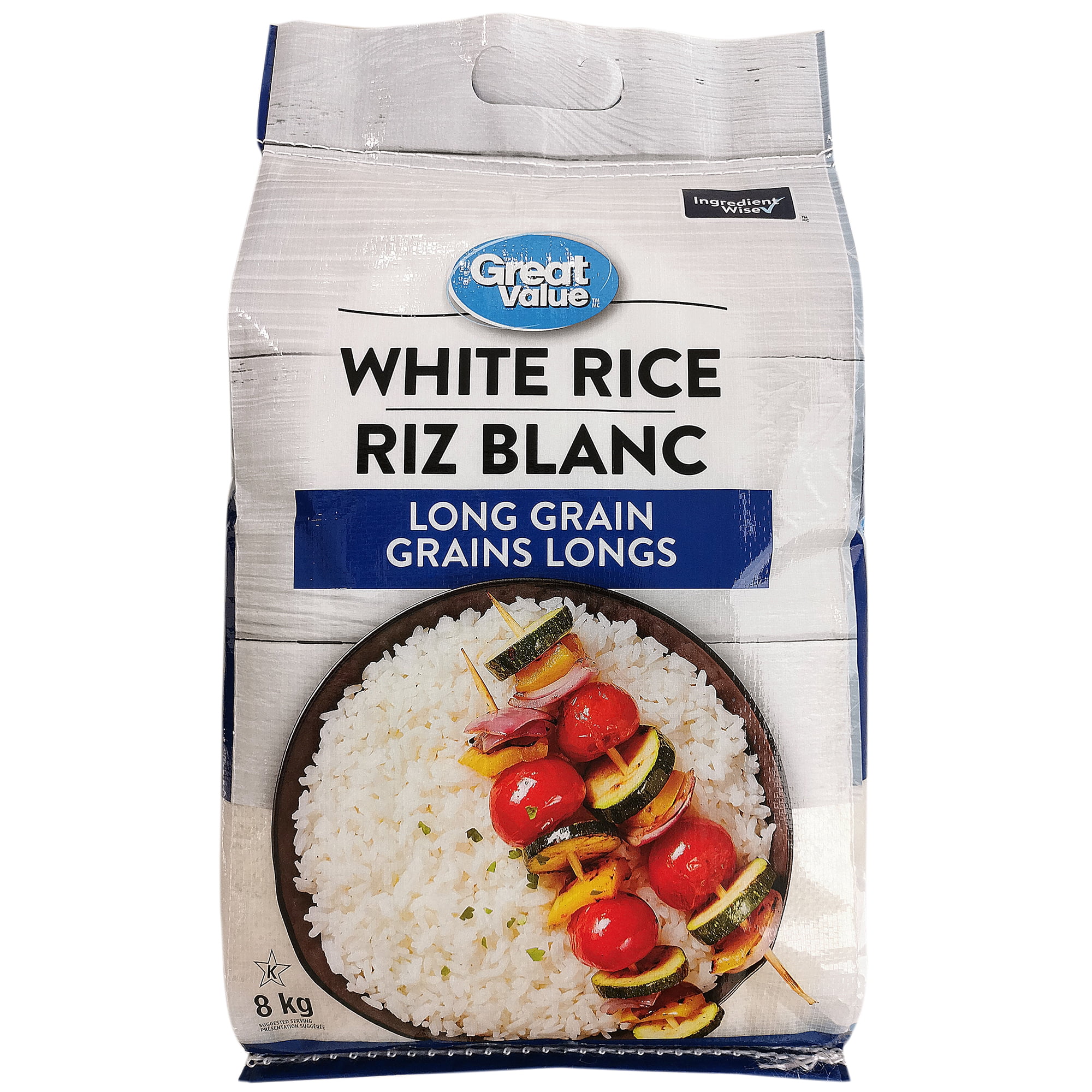



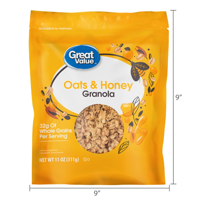
Great Value Long Grain White Rice 8 Kg
Great ValueAnalysis updated August 2026 · How Scout scores
Near you
Great Value is carried at Walmart stores. Find one within 25 miles.
At a glance
Summary
This product is primarily composed of long grain white rice, which is a minimally processed ingredient. The addition of vitamins and minerals like niacin, thiamine mononitrate, and folic acid enhances its nutritional profile. However, it is less nutrient-dense compared to whole grains, which slightly affects its overall rating.
Key ingredients 5
NiacinGood
Beneficial ingredient — whole-food or functional value in this product class.
Risks
High doses of niacin can cause flushing and liver damage, but such levels are not typically found in fortified foods.
Benefits
Supports energy metabolism and helps maintain healthy skin and nerve function.
Long grain white riceNeutral
Long grain white rice is a staple carbohydrate source with minimal processing. It lacks the bran and germ, which reduces its fiber and nutrient content compared to brown rice. It is a versatile ingredient used in various cuisines.
Benefits
Provides a quick source of energy due to its high carbohydrate content. Easily digestible and suitable for gluten-free diets.
Ferric phosphateNeutral
Ferric phosphate is used as an iron fortification in foods. It helps prevent iron deficiency anemia by providing a source of dietary iron. It is generally considered safe and effective for fortification purposes.
Risks
Excessive iron intake can lead to toxicity, but this is unlikely from fortified foods alone.
Benefits
Contributes to the prevention of iron deficiency anemia by providing a bioavailable form of iron.
Thiamine mononitrateNeutral
Thiamine mononitrate is a form of vitamin B1 used in food fortification. It is essential for carbohydrate metabolism and nerve function. Fortification helps prevent thiamine deficiency, which can lead to beriberi.
Benefits
Essential for energy metabolism and nerve function, helping to prevent deficiency-related diseases.
Folic acidNeutral
Folic acid is a synthetic form of folate used in food fortification to prevent neural tube defects. It is crucial for DNA synthesis and cell division. Fortification has significantly reduced the incidence of birth defects.
Risks
Excessive intake can mask vitamin B12 deficiency, but this is rare with normal dietary consumption.
Benefits
Essential for DNA synthesis and cell division, and helps prevent neural tube defects during pregnancy.
Processing
Processed Foods
Get the full breakdown in the Scout appTake Scout shopping
Scan any product to see lab results, healthy alternatives, and your personalized analysis.
Download on theApp Store GET IT ONGoogle Play