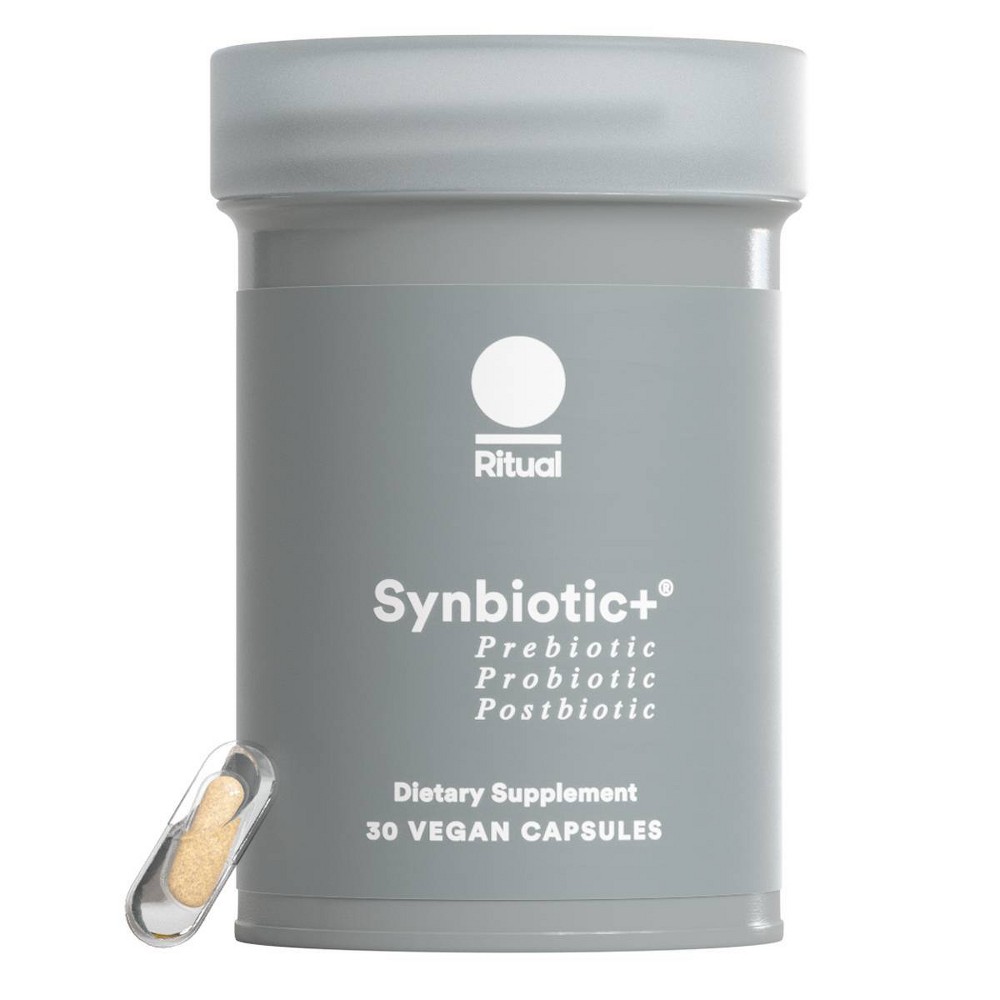
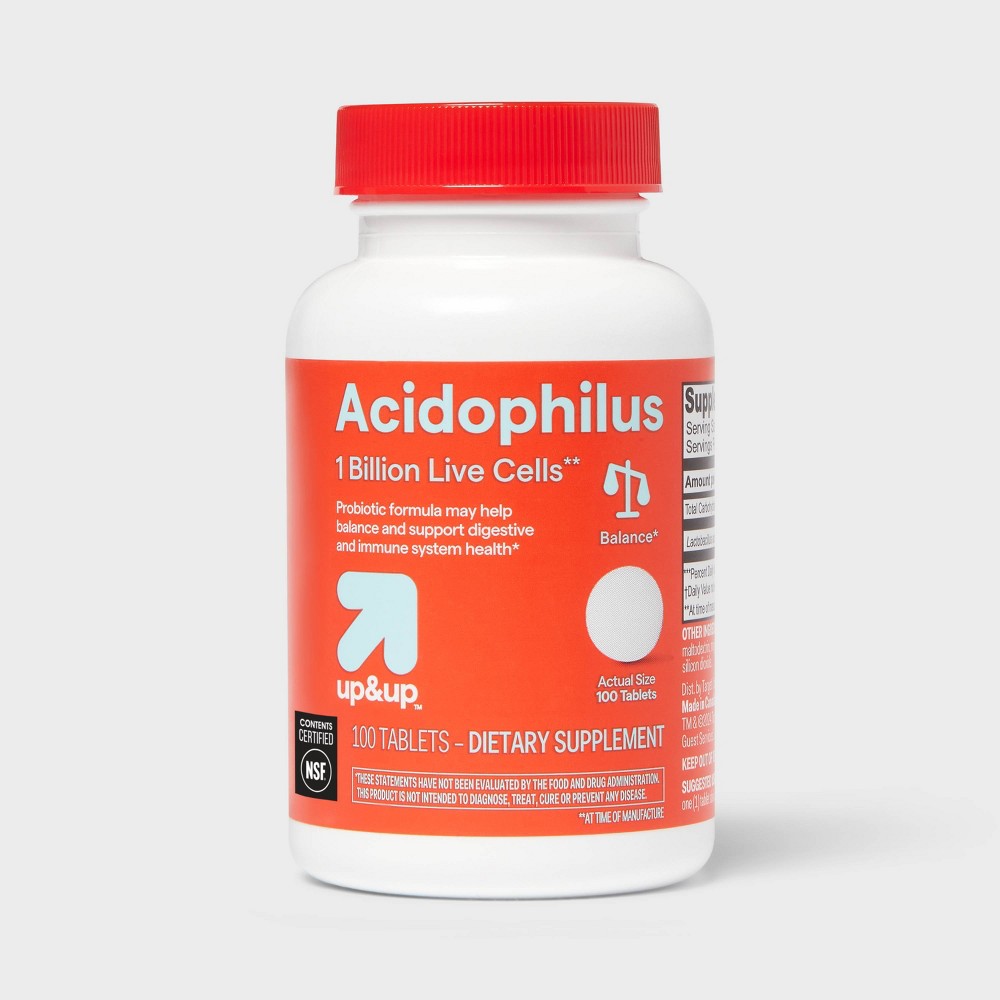
Acidophilus 1 Billion Active Cells Probiotic Tablets 100ct - up&up™
At a glance
Summary
This probiotic supplement contains Lactobacillus acidophilus, a well-researched strain known for supporting gut health and boosting the immune system. However, the presence of maltodextrin as a filler and the use of multiple additives like microcrystalline cellulose and magnesium stearate slightly detract from its overall formulation quality. Despite being ultra-processed, the product maintains a focus on beneficial ingredients without harmful substances, which supports a moderate score. Its plastic packaging can shed microplastics into the product and lowers its score.
Key ingredients 5
Lactobacillus acidophilusVery Good
Lactobacillus acidophilus is a beneficial probiotic that supports gut health by maintaining a healthy balance of gut bacteria. It is a high-quality active ingredient known for its role in improving digestion and boosting the immune system. This strain is well-researched and commonly used in probiotic supplements for its health benefits.
Benefits
Promotes digestive health and supports the immune system by maintaining a healthy gut microbiome.
Microcrystalline CelluloseNeutral
Microcrystalline cellulose is a common filler and binder used in supplements to provide structure and stability. It is derived from plant fibers and is generally considered safe for consumption. It does not contribute any nutritional value but is necessary for tablet formulation.
See more about Microcrystalline Cellulose →Magnesium StearateNeutral
Magnesium stearate is a common flow agent used in supplement manufacturing to prevent ingredients from sticking to equipment. It is derived from vegetable sources and is generally recognized as safe. It does not provide nutritional benefits but is essential for efficient production.
Benefits
Ensures consistent quality and production efficiency in supplement manufacturing.
Silicon DioxideNeutral
Silicon dioxide is used as an anti-caking agent to prevent clumping in powdered supplements. It is a naturally occurring mineral and is considered safe for consumption in small amounts. It does not contribute to nutritional value but is important for maintaining product quality.
Benefits
Helps maintain the quality and consistency of the supplement by preventing clumping.
MaltodextrinBad
Processed additive flagged under Scout's ingredient doctrine.
Risks
May cause spikes in blood sugar levels if consumed in large quantities.
Benefits
Provides a stable base for active ingredients and improves the texture of the supplement.
Processing
Ultra-Processed Foods
Get the full breakdown in the Scout appTake Scout shopping
Scan any product to see lab results, healthy alternatives, and your personalized analysis.