Strawberry PB&J

At a glance
Summary
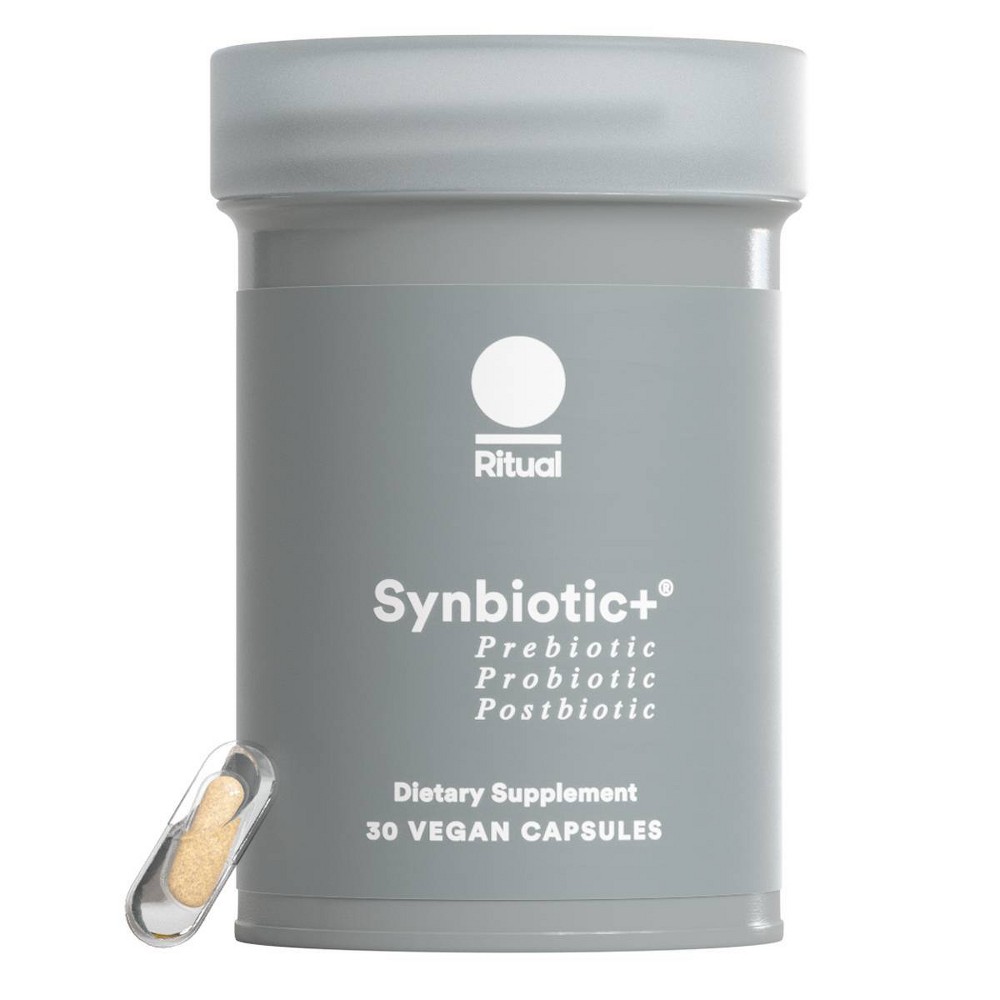
This synbiotic product contains beneficial ingredients like peanuts, almonds, and strawberries, which provide healthy fats, protein, and antioxidants. However, the inclusion of natural flavors and sunflower lecithin, which are processed additives, slightly detracts from its overall quality. The product is moderately processed, but the presence of prebiotic fibers and vitamin E supports its health benefits. Its plastic packaging can shed microplastics into the product and lowers its score.
Key ingredients 21
PeanutsGood
Peanuts are a good source of protein and healthy fats, which can support heart health. They contain monounsaturated fats and are rich in vitamins and minerals like magnesium and vitamin E. Their nutrient profile makes them a beneficial addition to a balanced diet.
Risks
Peanuts can be allergenic for some individuals, potentially causing severe allergic reactions.
Benefits
Rich in monounsaturated fats and protein, supporting heart health and muscle maintenance.
AlmondsGood
Almonds are nutrient-dense nuts that provide healthy fats, fiber, and protein. They are high in vitamin E, which acts as an antioxidant, and magnesium, which supports bone health. Their nutrient profile contributes to cardiovascular health and satiety.
Risks
Almonds can cause allergic reactions in sensitive individuals.
Benefits
High in vitamin E and magnesium, promoting antioxidant activity and bone health.
Tapioca FiberGood
Tapioca fiber is a prebiotic fiber that supports digestive health by promoting the growth of beneficial gut bacteria. It is derived from the cassava root and is minimally processed. Its role in gut health makes it a valuable ingredient in synbiotic products.
Benefits
Supports digestive health by promoting beneficial gut bacteria growth.
StrawberriesGood
Strawberries are rich in vitamin C, antioxidants, and fiber, supporting immune health and digestion. They are low in calories and provide natural sweetness. Their nutrient density makes them a beneficial fruit choice.
Benefits
Rich in vitamin C and antioxidants, supporting immune health and digestion.
Coconut OilGood
Beneficial ingredient — whole-food or functional value in this product class.
Risks
High in saturated fats, which may impact heart health if consumed in excess.
Benefits
Provides medium-chain triglycerides (MCTs) that may support energy metabolism.
Sea SaltGood
Beneficial ingredient — whole-food or functional value in this product class.
Risks
Excessive consumption may contribute to high blood pressure.
Benefits
Enhances flavor and contains trace minerals.
Vitamin EGood
Vitamin E is an antioxidant that protects cells from oxidative damage and supports immune function. It is essential for skin health and has anti-inflammatory properties. Its inclusion in supplements can enhance overall health.
Benefits
Protects cells from oxidative damage and supports immune function.
Vegetable FiberNeutral
Vegetable fiber is a generic term for fiber derived from various vegetables, contributing to digestive health. It is a natural component that aids in regular bowel movements. Its impact depends on the specific source and processing method.
Benefits
Contributes to digestive health and regular bowel movements.
Pea ProteinNeutral
Pea protein is a plant-based protein source that provides essential amino acids. It is hypoallergenic and suitable for those avoiding animal proteins. While it lacks some amino acids found in animal proteins, it is a good alternative for vegans.
Benefits
Provides essential amino acids and is hypoallergenic, suitable for vegans.
RSPO Palm OilNeutral
RSPO palm oil is certified sustainable, reducing environmental impact compared to conventional palm oil. It is used for its stability and texture in food products. While palm oil is high in saturated fats, RSPO certification ensures better environmental practices.
Risks
High in saturated fats, which may impact heart health if consumed in excess.
Benefits
RSPO certification ensures sustainable sourcing, reducing environmental impact.
Vegetable GlycerinNeutral
Vegetable glycerin is a sugar alcohol used as a sweetener and humectant in food products. It is derived from plant oils and is generally recognized as safe. It provides moisture retention without significant caloric impact.
Risks
Excessive consumption may cause digestive discomfort.
Benefits
Acts as a humectant, retaining moisture in food products.
Pea Protein CrispsNeutral
Pea protein crisps are made from pea protein and tapioca starch, providing a crunchy texture. They offer a plant-based protein source with minimal processing. While they add texture, their nutritional impact is limited.
Benefits
Provides plant-based protein and adds texture to products.
RaisinsNeutral
Raisins are dried grapes that provide natural sweetness and some fiber. They are a source of natural sugars and can contribute to energy intake. While they offer some nutrients, their high sugar content should be consumed in moderation.
Risks
High in natural sugars, which may impact blood sugar levels if consumed in excess.
Benefits
Provides natural sweetness and some fiber.
Peanut FlourNeutral
Peanut flour is made from ground peanuts and provides protein and flavor. It is lower in fat than whole peanuts and can enhance the protein content of products. Its use is beneficial for those seeking to increase protein intake.
Risks
May cause allergic reactions in individuals sensitive to peanuts.
Benefits
Enhances protein content and provides peanut flavor.
WaterNeutral
Water is used as a solvent and to adjust the consistency of food products. It is a neutral ingredient with no direct nutritional impact. Its presence is essential for product formulation.
Benefits
Essential for product formulation and consistency.
Citric AcidNeutral
Citric acid is a natural preservative and flavor enhancer found in citrus fruits. It is used to maintain freshness and enhance flavor in food products. Its presence is common and generally recognized as safe.
Benefits
Acts as a preservative and flavor enhancer, maintaining product freshness.
Fruit And Vegetable ExtractNeutral
Fruit and vegetable extract is used for natural coloring and may provide some antioxidants. It is a natural alternative to artificial dyes. Its nutritional impact is minimal but contributes to product appeal.
Benefits
Provides natural coloring and may contain antioxidants.
Stevia Plant ExtractNeutral
Stevia plant extract is a natural, zero-calorie sweetener derived from the stevia plant. It is used to reduce sugar content in products without adding calories. Its natural origin makes it a preferred choice over artificial sweeteners.
Benefits
Provides sweetness without calories, suitable for reducing sugar intake.
Lion's ManeNeutral
Lion's mane is a mushroom known for its potential cognitive and neurological benefits. It is used in supplements for its purported health benefits. While promising, more research is needed to confirm its effects.
Benefits
Potential cognitive and neurological benefits, though more research is needed.
Natural FlavorsBad
Natural flavors are a catch-all term for flavoring agents derived from natural sources but can be highly processed. They lack transparency in ingredient sourcing and processing. Their inclusion can mask the true nature of the product's flavor profile.
Risks
Lack of transparency in sourcing and processing may concern consumers seeking clean labels.
Sunflower LecithinBad
Sunflower lecithin is an emulsifier derived from sunflower seeds, used to stabilize food products. It is a processed ingredient and may contain residues from extraction processes. While it aids in texture, it lacks nutritional benefits.
Risks
May contain residues from extraction processes, raising concerns for those seeking minimally processed foods.
Processing
Ultra-Processed Foods
Get the full breakdown in the Scout appTake Scout shopping
Scan any product to see lab results, healthy alternatives, and your personalized analysis.
Are you IQ Bar Bites? Fix an error Get the badge Get tested