



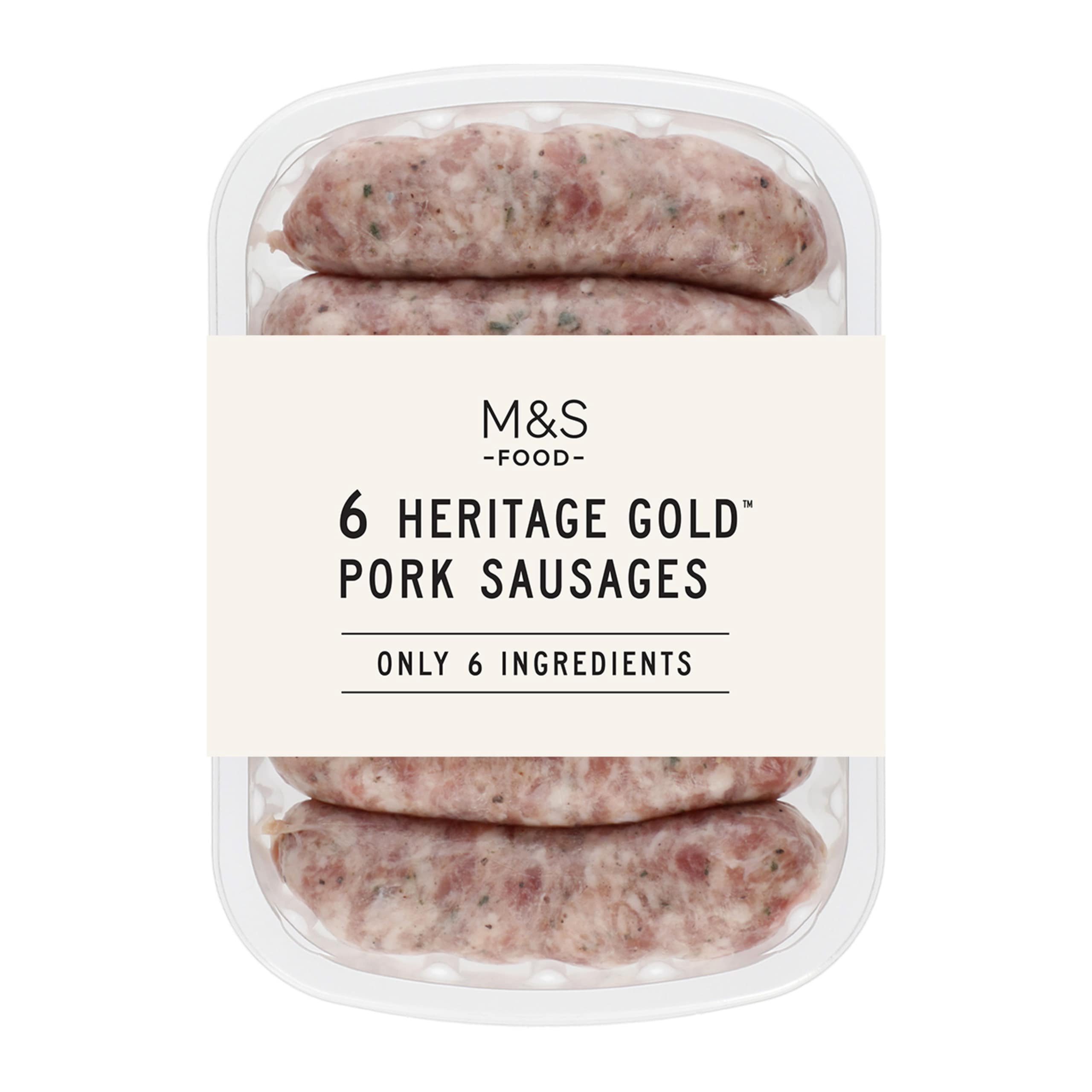

At a glance
Summary
The maple pork breakfast sausages contain high-quality pork, which is a good source of protein and essential nutrients. However, the presence of added sugars and natural flavor detracts from the overall healthiness, as these ingredients contribute to empty calories and lack transparency. The product is moderately processed, which limits its score potential despite the use of some beneficial ingredients like sea salt.
Key ingredients 8
PorkGood
Pork is a high-quality source of protein and essential nutrients. It provides a rich amino acid profile beneficial for muscle maintenance and growth. When sourced from well-raised animals, it can be a nutritious component of a balanced diet.
Risks
Potential risks include high saturated fat content, which may impact heart health if consumed in excess.
Benefits
Rich in protein and essential vitamins like B12, which supports energy metabolism and neurological function.
Sea saltGood
Sea salt is a natural source of sodium and trace minerals. It is less processed than table salt and can enhance flavor without additives. Its mineral content can provide slight nutritional benefits over refined salt.
Risks
Excessive sodium intake can lead to hypertension and cardiovascular issues.
Benefits
Contains trace minerals that may support electrolyte balance and overall health.
SpicesGood
Whole-food seasonings, antioxidant-bearing.
Benefits
May provide antioxidants and enhance flavor without adding calories.
WaterNeutral
Water is used as a processing aid and does not contribute nutritional value. It helps in maintaining moisture in the product. It is a neutral ingredient with no health impact.
See more about Water →Brown rice crumbsNeutral
Brown rice crumbs are used as a filler or binder in processed foods. They provide some fiber and nutrients compared to refined alternatives. However, their contribution to overall nutrition is minimal in small quantities.
Risks
May contain trace amounts of arsenic, a concern with rice products, but generally not significant in small quantities.
Benefits
Provides a small amount of dietary fiber and nutrients compared to refined bread crumbs.
Modified vinegarNeutral
Modified vinegar is used as a preservative and flavor enhancer. It is typically processed to improve shelf life and stability. Its impact on health is generally neutral when consumed in moderation.
Benefits
May help in preserving the product and enhancing flavor without significant nutritional impact.
SugarsBad
Sugars, including maple syrup and cane sugar, contribute to the product's sweetness but add empty calories. Excessive sugar intake is linked to various health issues, including obesity and metabolic disorders. While maple syrup is less processed, it still contributes to overall sugar content.
Risks
High sugar consumption can lead to weight gain, insulin resistance, and dental issues.
Benefits
Maple syrup provides trace minerals like manganese and zinc, but these benefits are minimal compared to the sugar content.
Natural flavourBad
Natural flavour is a catch-all term for flavoring agents derived from natural sources. It lacks transparency and may include various additives. While derived from natural sources, it is often heavily processed.
Risks
Lack of transparency can be concerning for those with allergies or sensitivities.
Benefits
Enhances flavor without adding calories, but offers no nutritional benefits.
Processing
Processed Foods
Get the full breakdown in the Scout appTake Scout shopping
Scan any product to see lab results, healthy alternatives, and your personalized analysis.
Download on theApp Store GET IT ONGoogle Play