

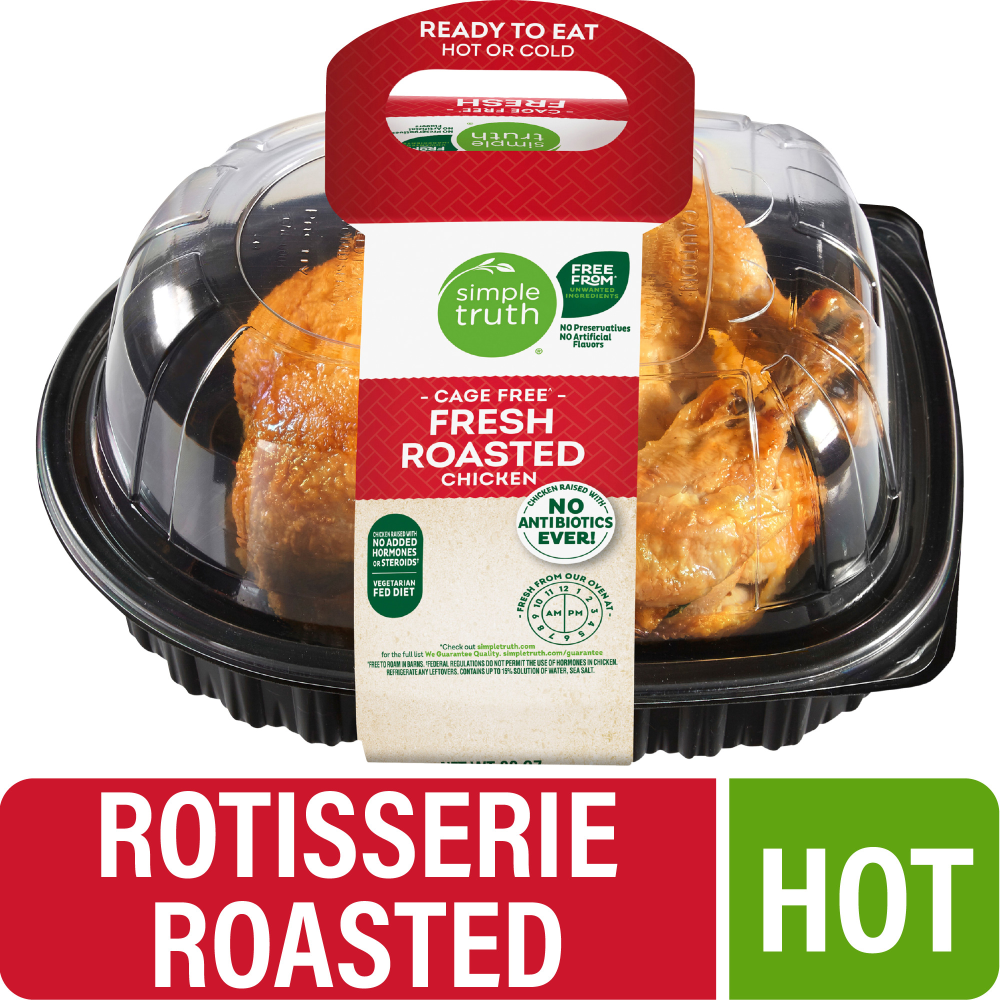


At a glance
Summary
This roasted chicken is minimally processed, consisting of whole, natural ingredients like chicken, butter, and herbs, which contribute to its high nutritional quality. The use of whole foods and absence of artificial additives or seed oils enhance its health profile, making it a wholesome choice. The inclusion of beneficial ingredients such as garlic and lemon further supports its positive rating due to their antioxidant and flavor-enhancing properties.
Key ingredients 8
Whole chickenGood
Whole chicken is a high-quality source of animal protein, providing essential amino acids. It is minimally processed when roasted, retaining its nutritional integrity. The protein content supports muscle maintenance and repair.
Benefits
Rich in protein and essential nutrients like B vitamins and selenium, supporting overall health and wellness.
ButterGood
Butter is a natural source of saturated fats and fat-soluble vitamins like A, D, E, and K. It is minimally processed and can enhance the flavor of dishes. When used in moderation, it can be part of a balanced diet.
Risks
Excessive consumption may contribute to increased cholesterol levels.
Benefits
Provides fat-soluble vitamins and conjugated linoleic acid, which may have health benefits.
PepperGood
Pepper is a spice that adds flavor and contains piperine, which may enhance nutrient absorption. It is minimally processed and used in small amounts. Its antioxidant properties can contribute to health benefits.
Benefits
Contains antioxidants and may improve digestion and nutrient absorption.
LemonGood
Lemon is a citrus fruit rich in vitamin C and antioxidants. It is minimally processed and can enhance flavor and freshness. Its acidity can aid in digestion and nutrient absorption.
Benefits
High in vitamin C, supporting immune function and skin health.
GarlicGood
Garlic is known for its potential health benefits, including antimicrobial and anti-inflammatory properties. It is minimally processed and used for flavor enhancement. Its active compounds, like allicin, may support cardiovascular health.
Benefits
May support heart health and immune function due to its bioactive compounds.
ThymeGood
Thyme is an herb that adds flavor and contains antioxidants. It is minimally processed and used in small amounts. Its essential oils may have antimicrobial properties.
Benefits
Provides antioxidants and may support respiratory health.
CeleryGood
Celery is a low-calorie vegetable rich in vitamins and minerals. It is minimally processed and can add flavor and texture to dishes. Its high water content can aid in hydration.
Benefits
Rich in fiber and antioxidants, supporting digestive health and reducing inflammation.
SaltNeutral
Salt is used to enhance flavor and preserve food. It is a basic culinary ingredient with no processing beyond refinement. While necessary for bodily functions, excessive intake can lead to health issues.
Risks
High sodium intake can increase the risk of hypertension and cardiovascular diseases.
Benefits
Essential for maintaining fluid balance and nerve function in the body.
Processing
Unprocessed or Minimally Processed Foods
Get the full breakdown in the Scout appTake Scout shopping
Scan any product to see lab results, healthy alternatives, and your personalized analysis.
Download on theApp Store GET IT ONGoogle Play