



Everything Sourdough
Summary
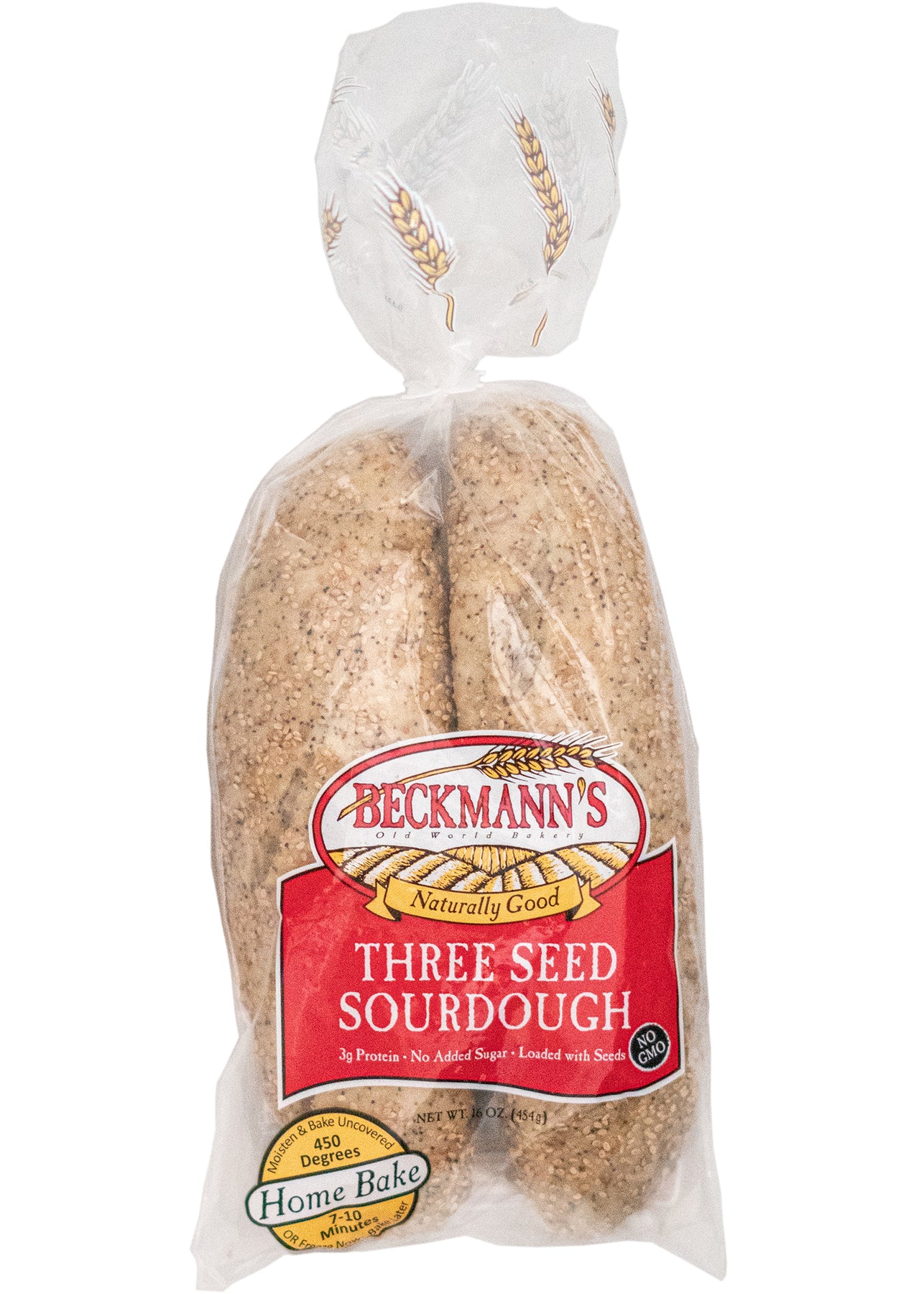
This sourdough product features a clean ingredient list with beneficial components like sourdough culture, flax seeds, and garlic, which contribute to its nutritional value. Despite being processed, it avoids harmful additives and seed oils, maintaining a focus on whole-food ingredients. The processing level limits its score, but the absence of artificial additives and the presence of health-promoting ingredients support a high rating within its category.
At a glance
Key ingredients 9
Wheat flourNeutral
Wheat flour is a staple ingredient in bread, providing structure and texture. It is a refined carbohydrate, which can lead to rapid spikes in blood sugar levels. Whole grain alternatives offer more fiber and nutrients compared to refined wheat flour.
Risks
May cause blood sugar spikes and is a common allergen for those with gluten sensitivity or celiac disease.
Benefits
Provides energy and is a key component in traditional bread-making.
WaterNeutral
Water is essential for hydration and acts as a solvent in the dough-making process. It helps activate yeast and enzymes, contributing to the bread's texture. Water quality can affect the final product, but it generally poses no health risks.
Benefits
Essential for hydration and necessary for the dough formation process.
Sea saltGood
Unrefined sea salt — a minimally processed, natural source of sodium and essential trace minerals, and a legitimate whole-food seasoning. Treated as a positive ingredient.
Risks
Excessive intake may contribute to hypertension and cardiovascular issues.
Benefits
Enhances flavor and provides trace minerals.
Sourdough culturedGood
Sourdough culture is a natural leavening agent that enhances flavor and digestibility. It contains beneficial bacteria and yeast that can improve gut health. The fermentation process can reduce gluten content, making it easier to digest for some individuals.
Benefits
Improves gut health and enhances flavor through natural fermentation.
Poppy seedsGood
Poppy seeds add texture and a nutty flavor to bread. They are a source of dietary fiber, calcium, and essential fatty acids. However, they can cause allergic reactions in sensitive individuals.
Risks
May cause allergic reactions in some individuals.
Benefits
Rich in dietary fiber and essential nutrients like calcium.
Flax seedsVery Good
Flax seeds are a rich source of omega-3 fatty acids and dietary fiber. They support heart health and have anti-inflammatory properties. Ground flax seeds are better absorbed by the body compared to whole seeds.
Benefits
Supports heart health and provides anti-inflammatory benefits.
GarlicGood
Garlic is known for its strong flavor and potential health benefits, including antimicrobial properties. It contains allicin, which may support cardiovascular health. Fresh garlic offers more benefits compared to processed forms.
Benefits
May support cardiovascular health and has antimicrobial properties.
OnionGood
Onion adds flavor and contains antioxidants that may support immune health. It is a source of quercetin, which has anti-inflammatory effects. Fresh onions provide more health benefits than dehydrated forms.
Benefits
Contains antioxidants and may support immune health.
EnzymesNeutral
Enzymes are used in bread-making to improve dough handling and texture. They are naturally occurring proteins that catalyze biochemical reactions. The specific enzymes used are not detailed, but they generally pose no health risks.
Benefits
Improves dough handling and texture in bread-making.
Processing
Processed Foods
Get the full breakdown in the Scout app
Scan any product to see lab results, healthy alternatives, and your personalized analysis.
Download on theApp Store