


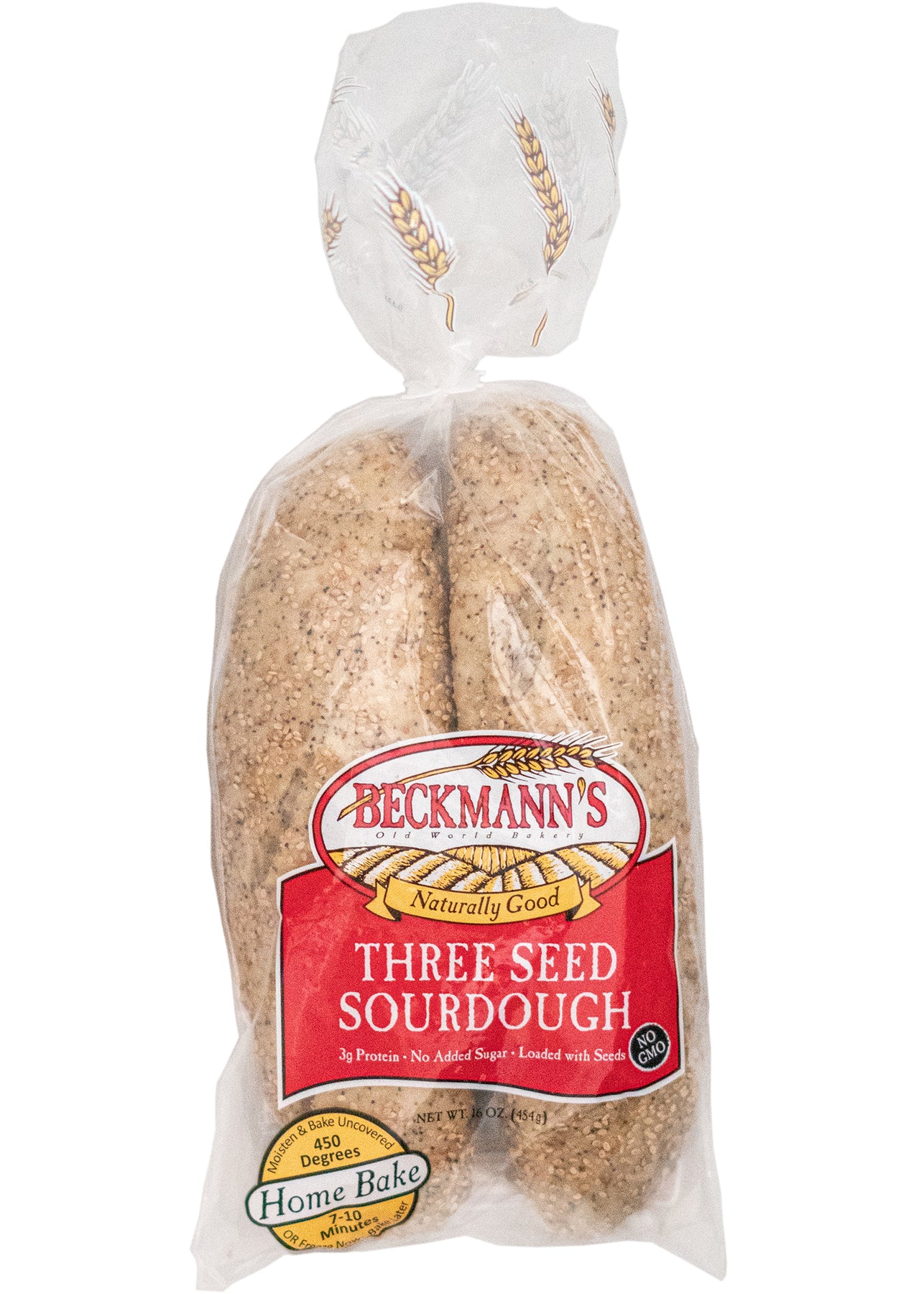

Power Grains Sourdough
Summary
This sourdough bread features a clean ingredient list with whole wheat flour, a variety of seeds, and natural leavening through sourdough culture, which enhances nutrient availability and digestibility. The inclusion of honey as a natural sweetener and the absence of harmful additives contribute positively to its nutritional profile. However, as a processed food, its score is capped, reflecting its level of processing despite the high-quality ingredients.
At a glance
Key ingredients 13
Sourdough CultureGood
Sourdough culture is a natural leavening agent that enhances the flavor and texture of bread. It involves a fermentation process that can improve the digestibility of grains. The fermentation also increases the availability of nutrients and may lower the glycemic index of the bread.
Benefits
Promotes gut health through beneficial bacteria and enhances nutrient absorption.
Whole Wheat FlourGood
Whole wheat flour is a whole grain ingredient that retains all parts of the grain, providing fiber and essential nutrients. It is less processed than refined flour, maintaining more vitamins and minerals. This ingredient supports digestive health and provides sustained energy.
Risks
May cause allergic reactions in individuals with wheat allergies or gluten intolerance.
Benefits
Rich in dietary fiber, vitamins, and minerals, supporting overall health and digestion.
WaterNeutral
Water is a basic ingredient used to hydrate and combine other ingredients in bread making. It does not contribute any calories or nutrients. Its primary role is functional, aiding in the dough formation and fermentation process.
Benefits
Essential for hydration and dough consistency, but no direct nutritional benefits.
Wheat FlourNeutral
Wheat flour is a staple ingredient in bread, providing structure and texture. It is often refined, which reduces its nutritional content compared to whole wheat flour. While it is a common ingredient, it lacks the fiber and nutrients found in whole grains.
Risks
May cause allergic reactions in individuals with wheat allergies or gluten intolerance.
Benefits
Provides carbohydrates for energy but lacks significant nutritional benefits compared to whole grains.
HoneyGood
Honey is a natural sweetener that adds flavor and moisture to baked goods. It contains small amounts of vitamins and antioxidants. Unlike refined sugars, honey has a lower glycemic index and offers some health benefits.
Risks
Excessive consumption can contribute to high sugar intake and related health issues.
Benefits
Provides natural sweetness and contains antioxidants that may offer health benefits.
Flax SeedsVery Good
Flax seeds are a rich source of omega-3 fatty acids, fiber, and lignans. They support heart health and have anti-inflammatory properties. The seeds also aid in digestion and can help regulate blood sugar levels.
Risks
May cause digestive discomfort if consumed in large quantities.
Benefits
Rich in omega-3 fatty acids and fiber, promoting heart health and digestion.
Millet SeedsGood
Millet seeds are a gluten-free grain that provides essential nutrients like magnesium and phosphorus. They are a good source of fiber and protein, supporting digestive health and muscle function. Millet is also known for its antioxidant properties.
Benefits
Provides essential nutrients and antioxidants, supporting overall health.
Pumpkin SeedsVery Good
Pumpkin seeds are nutrient-dense, offering healthy fats, protein, and a variety of vitamins and minerals. They are particularly high in magnesium, zinc, and antioxidants. These seeds support heart health, immune function, and may improve sleep quality.
Benefits
Rich in nutrients and antioxidants, supporting heart health and immune function.
Sunflower SeedsGood
Sunflower seeds are a good source of healthy fats, protein, and vitamin E. They provide antioxidants that help protect cells from damage. These seeds support heart health and may reduce inflammation.
Benefits
Provides healthy fats and antioxidants, supporting heart health and reducing inflammation.
Poppy SeedsGood
Poppy seeds are small seeds that add texture and flavor to baked goods. They contain calcium, magnesium, and fiber. These seeds can support bone health and digestion.
Risks
May cause allergic reactions in sensitive individuals.
Benefits
Rich in minerals and fiber, supporting bone health and digestion.
Rolled OatsVery Good
Rolled oats are a whole grain that provides soluble fiber, which can help lower cholesterol levels. They are a good source of vitamins, minerals, and antioxidants. Oats support heart health and provide sustained energy.
Benefits
Rich in fiber and nutrients, supporting heart health and providing energy.
Sea SaltGood
Sea salt is a natural source of sodium and trace minerals. It is less processed than table salt, retaining more of its natural mineral content. Sea salt can enhance flavor without the need for excessive sodium intake.
Risks
Excessive consumption can contribute to high sodium intake and related health issues.
Benefits
Provides essential minerals and enhances flavor with less processing than table salt.
EnzymesNeutral
Enzymes are used in bread making to improve dough handling and texture. They are naturally occurring proteins that catalyze biochemical reactions. In baking, they help break down starches and proteins, improving the bread's quality.
Benefits
Enhances dough quality and texture, improving the overall baking process.
Processing
Processed Foods
Get the full breakdown in the Scout app
Scan any product to see lab results, healthy alternatives, and your personalized analysis.
Download on theApp Store