


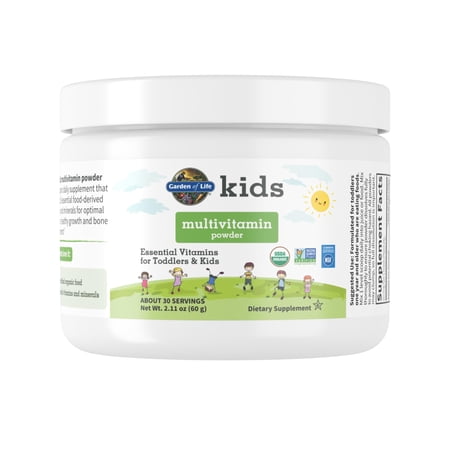
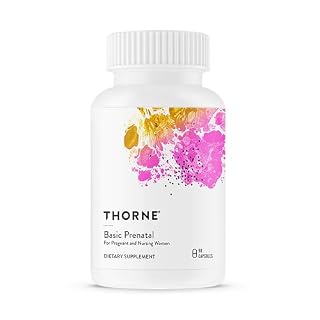
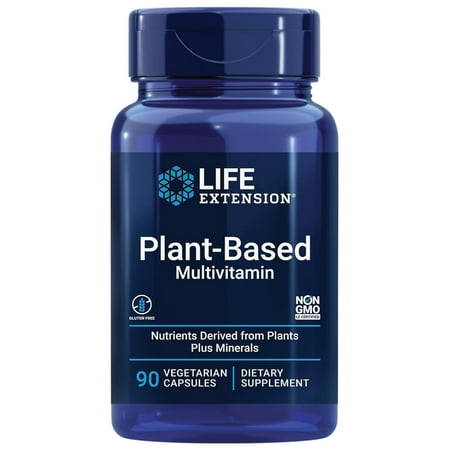


Garden of Life Organics Prenatal Multi 90 Tablets
Garden of LifeAnalysis updated September 2026 · How Scout scores
At a glance
Summary
This prenatal multivitamin contains a clean blend of organic ingredients, including gum arabic and dextrose, which are generally considered safe. However, the use of organic palm oil, despite being organic, raises concerns due to its high saturated fat content and environmental impact. The presence of sunflower lecithin as an emulsifier is a minor issue, but it is not as harmful as synthetic alternatives.
Key ingredients 7
Organic Brown RiceGood
Beneficial ingredient — whole-food or functional value in this product class.
Benefits
Provides a source of fiber and nutrients, though minimal in supplement form.
Organic Gum ArabicNeutral
Organic gum arabic is a natural emulsifier and stabilizer used in supplements. It is derived from the sap of acacia trees and is considered safe for consumption. It does not provide significant nutritional benefits but is valued for its functional properties in product formulation.
See more about Organic Gum Arabic →Organic DextroseNeutral
Organic dextrose is a simple sugar used as a sweetener or filler in supplements. Being organic, it is free from synthetic pesticides and fertilizers. It provides quick energy but has no additional health benefits.
Risks
Excessive consumption of dextrose can lead to spikes in blood sugar levels.
Benefits
Provides a quick source of energy.
Organic Tapioca MaltodextrinNeutral
Organic tapioca maltodextrin is a carbohydrate used as a filler or thickener. It is derived from tapioca starch and is considered safe for consumption. It does not provide significant nutritional benefits.
Risks
May cause blood sugar spikes if consumed in large amounts.
Organic Guar GumNeutral
Organic guar gum is a natural thickening agent used in supplements. It is derived from guar beans and is considered safe for consumption. It does not provide significant nutritional benefits but aids in product consistency.
Risks
Excessive consumption may lead to digestive discomfort.
Benefits
Helps improve the texture and consistency of the product.
Organic Sunflower LecithinBad
Organic sunflower lecithin is used as an emulsifier in supplements. While it is a cleaner alternative to synthetic emulsifiers, it is still a processed ingredient. It is not as harmful as seed oils but does not offer significant health benefits.
Risks
May cause digestive issues in sensitive individuals.
Benefits
Helps improve the texture and stability of the product.
Organic Palm OilBad
Organic palm oil is used as a fat source in supplements. Despite being organic, palm oil is high in saturated fats and its production is associated with environmental concerns. It provides energy but is not considered a healthful fat.
Risks
High in saturated fats, which may contribute to heart disease if consumed in excess.
Benefits
Provides a stable fat source that can enhance the texture of the product.
Processing
Ultra-Processed Foods
Get the full breakdown in the Scout appTake Scout shopping
Scan any product to see lab results, healthy alternatives, and your personalized analysis.
Download on theApp Store GET IT ONGoogle Play