

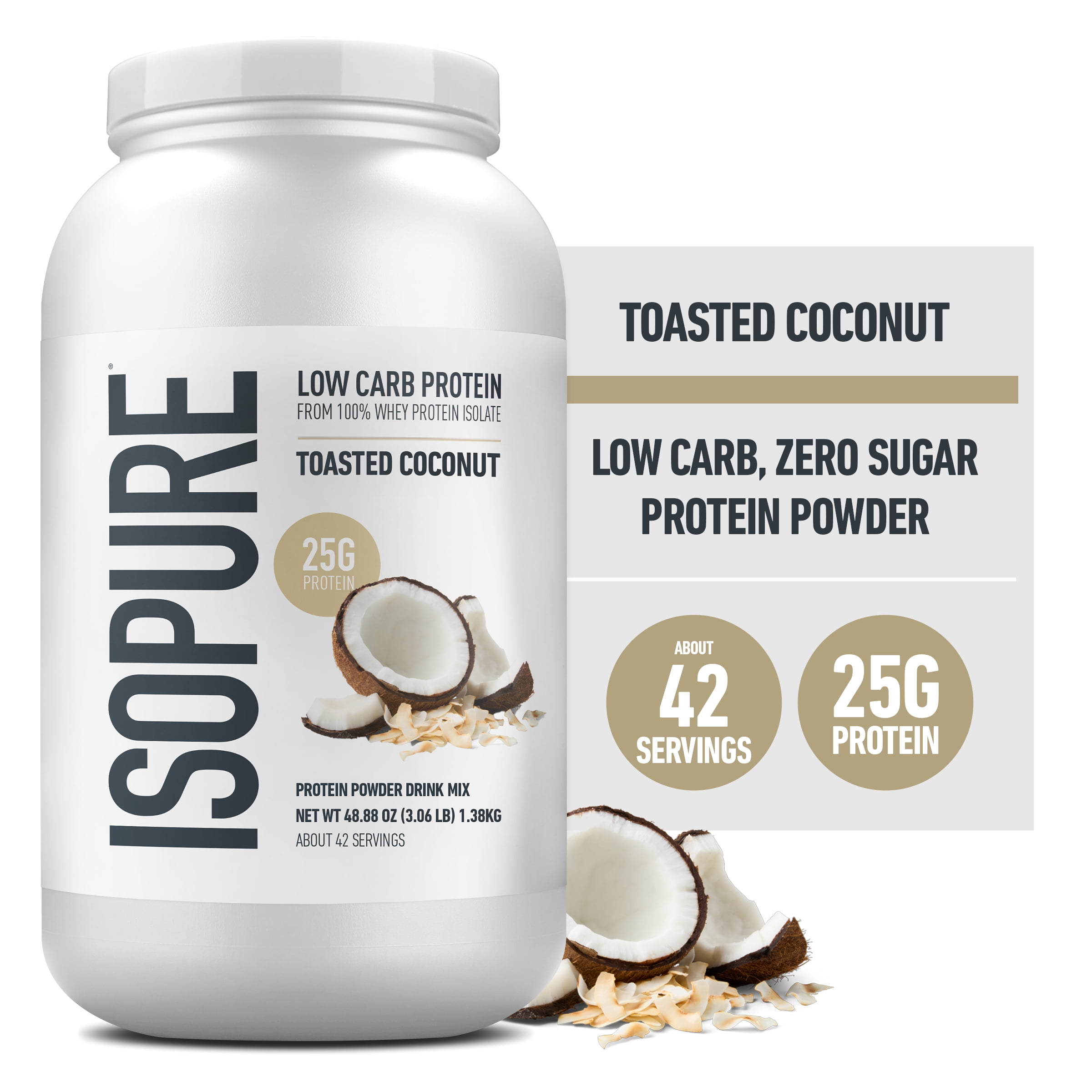
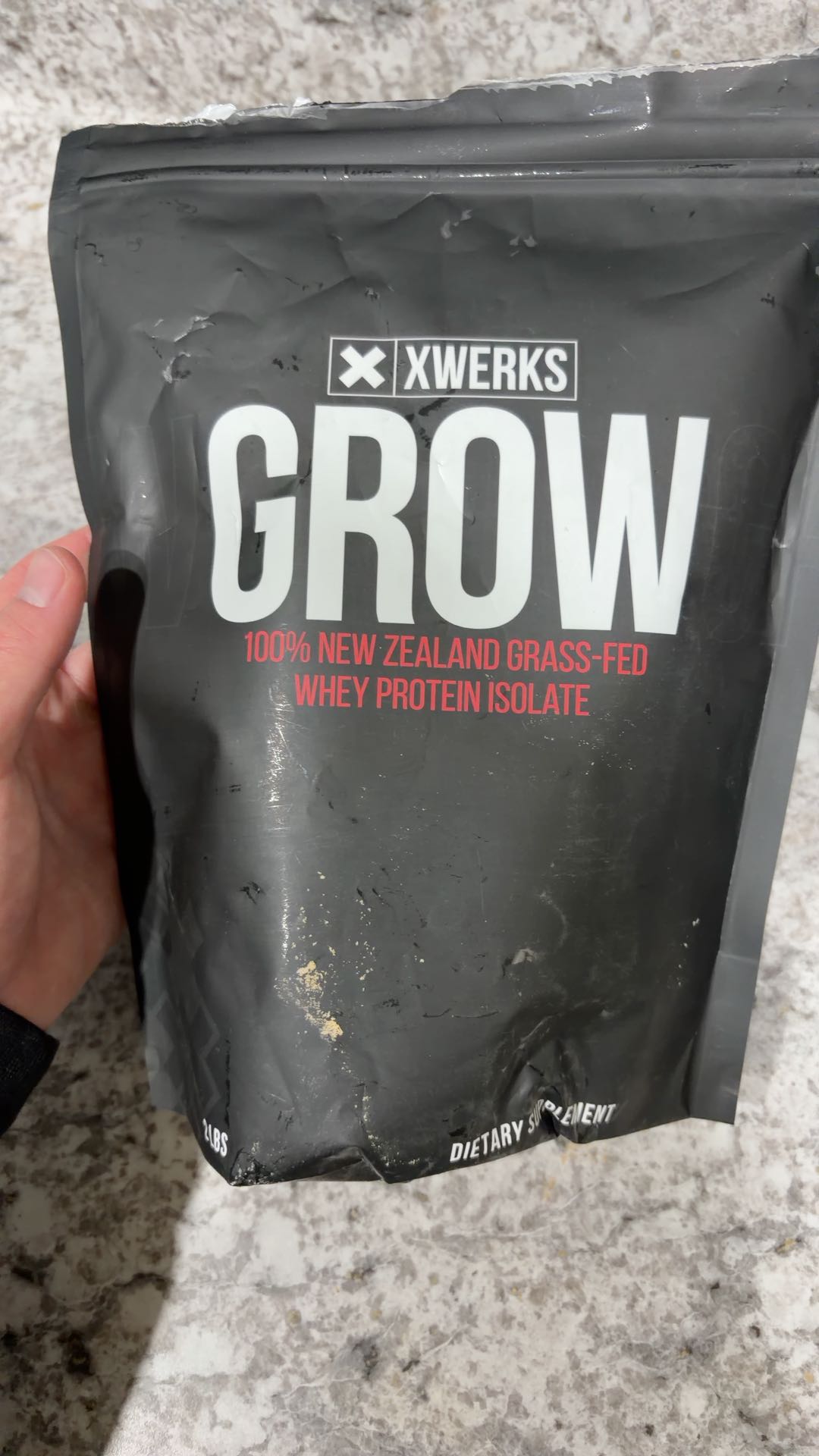

At a glance
Summary
This hydrolyzed whey protein isolate offers a high-quality protein source with enhanced absorption, making it beneficial for muscle recovery. However, the presence of artificial flavors and sucralose introduces concerns about ingredient transparency and potential health effects, which slightly detract from its overall purity. The inclusion of lecithin and xanthan gum as functional additives is typical for protein powders but adds to the processing level, impacting the score.
Key ingredients 7
Hydrolyzed Instant Whey Protein IsolateVery Good
Hydrolyzed whey protein isolate is a high-quality protein source with a complete amino acid profile, making it ideal for muscle recovery and growth. The hydrolysis process breaks down protein into smaller peptides, enhancing absorption and reducing potential digestive discomfort. It is a premium ingredient in protein supplements, providing efficient nutrition with minimal additives.
Benefits
Provides a rich source of essential amino acids and is rapidly absorbed, supporting muscle repair and growth.
Xanthan GumNeutral
Xanthan gum is a common thickening agent used to improve texture and stability in food products. It is produced through fermentation and is generally recognized as safe in small amounts. While it does not provide nutritional benefits, it enhances the product's consistency.
Risks
Excessive consumption may cause digestive discomfort in sensitive individuals.
SaltNeutral
Salt is used to enhance flavor and preserve the product. In moderate amounts, it is generally safe, but excessive intake can lead to health issues such as hypertension. It is a common ingredient in processed foods.
Risks
High sodium intake can contribute to hypertension and cardiovascular issues.
Benefits
Enhances flavor and acts as a preservative in food products.
Stevia LeafNeutral
Stevia leaf is a natural sweetener derived from the Stevia rebaudiana plant, offering sweetness without calories. It is considered safe and does not significantly impact blood sugar levels. It is a popular alternative to artificial sweeteners.
Benefits
Provides a natural, calorie-free sweetness, making it suitable for those managing calorie intake.
Natural & Artificial FlavoursBad
Natural and artificial flavors are used to enhance taste but can obscure the transparency of ingredient sourcing. Artificial flavors may contain synthetic chemicals that some consumers prefer to avoid. The use of these flavors can detract from the perceived purity of the product.
Risks
Potential exposure to synthetic chemicals and allergens, which may cause adverse reactions in sensitive individuals.
LecithinBad
Lecithin is used as an emulsifier to improve texture and mixability in protein powders. It is often derived from soy or sunflower, which may be genetically modified unless specified otherwise. While it serves a functional purpose, it is not a necessary nutritional component.
Risks
May contain traces of allergens like soy, and potential GMO concerns if not specified as non-GMO.
Benefits
Improves the mixability of the product, making it easier to dissolve in liquids.
SucraloseBad
Sucralose is an artificial sweetener used to provide sweetness without calories. It is chemically altered to be non-caloric, but its long-term health effects are still debated. Some studies suggest it may affect gut health and insulin response.
Risks
Potential impacts on gut microbiota and insulin sensitivity with excessive consumption.
Benefits
Provides sweetness without adding calories, which can be beneficial for calorie-restricted diets.
Processing
Processed Foods
Get the full breakdown in the Scout appTake Scout shopping
Scan any product to see lab results, healthy alternatives, and your personalized analysis.
Download on theApp Store GET IT ONGoogle Play