


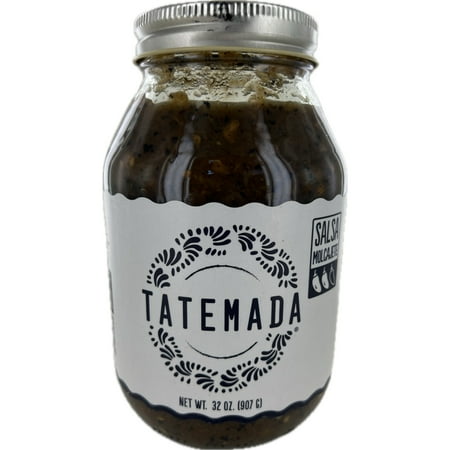


At a glance
Summary
This green salsa is made with a variety of fresh, nutrient-rich ingredients like tomatillos, green chiles, garlic, onion, cilantro, and lime juice, which contribute to its health benefits. The presence of a small amount of added sugar is a minor concern, but the overall ingredient quality remains high. Despite being a processed food, the salsa maintains a clean label with minimal additives, allowing it to score well within its category.
Key ingredients 9
TomatillosGood
Tomatillos are a low-calorie fruit rich in vitamins and antioxidants. They provide dietary fiber and vitamin C, supporting immune function and digestion. Their natural acidity adds flavor without the need for artificial additives.
Benefits
Rich in vitamin C and antioxidants, which support immune health and reduce oxidative stress.
Green chilesGood
Green chiles are a source of capsaicin, which may boost metabolism and reduce inflammation. They are low in calories and provide vitamins A and C. Their spicy flavor enhances dishes naturally.
Risks
May cause digestive discomfort in sensitive individuals.
Benefits
Contains capsaicin, which may have anti-inflammatory and metabolism-boosting properties.
GarlicGood
Garlic is known for its potential cardiovascular benefits and immune-boosting properties. It contains allicin, which has antimicrobial effects. Fresh garlic retains more beneficial compounds compared to processed forms.
Risks
May cause digestive upset or allergic reactions in some individuals.
Benefits
Supports heart health and has antimicrobial properties due to allicin content.
OnionGood
Onions are rich in antioxidants and sulfur compounds that may support heart health. They provide flavor and nutrients without added calories. Fresh onions are preferable for retaining beneficial compounds.
Risks
May cause digestive discomfort or allergic reactions in some individuals.
Benefits
Contains antioxidants and sulfur compounds that support cardiovascular health.
CilantroGood
Cilantro is a herb rich in antioxidants and vitamins A, C, and K. It may help detoxify heavy metals from the body. Fresh cilantro adds flavor and nutrients without calories.
Benefits
Rich in antioxidants and vitamins, supporting overall health and detoxification.
Lime juiceGood
Lime juice is a source of vitamin C and antioxidants, which support immune health. It adds natural acidity and flavor to foods without added sugars. Freshly squeezed lime juice retains more nutrients than processed versions.
Benefits
Provides vitamin C and antioxidants, enhancing flavor and supporting immune function.
WaterNeutral
Water is used as a base in many food products and has no nutritional value. It serves as a solvent and carrier for other ingredients. It is essential for hydration but does not contribute additional nutrients.
Benefits
Essential for hydration but does not provide additional nutritional benefits.
SaltNeutral
Salt is used to enhance flavor and preserve food. It is essential for bodily functions but should be consumed in moderation. Excessive salt intake can lead to health issues like hypertension.
Risks
High sodium intake may contribute to hypertension and cardiovascular disease.
Benefits
Essential for maintaining fluid balance and nerve function in the body.
SugarBad
Sugar is a refined carbohydrate that provides quick energy but lacks essential nutrients. Excessive consumption can lead to weight gain and metabolic issues. It is often added to enhance sweetness in processed foods.
Risks
High intake can contribute to obesity, type 2 diabetes, and dental cavities.
Benefits
Provides quick energy but lacks significant nutritional benefits.
Processing
Processed Foods
Get the full breakdown in the Scout appTake Scout shopping
Scan any product to see lab results, healthy alternatives, and your personalized analysis.
Download on theApp Store GET IT ONGoogle Play