



At a glance
Summary
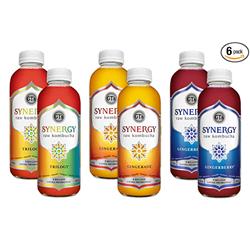
This energy drink contains organic caffeine and L-theanine, which are beneficial for enhancing alertness and focus. However, it is ultra-processed and includes organic flavors, which lack transparency and do not contribute nutritional value. The presence of added sugars, even from organic sources, also impacts its healthiness, though the sugar content is relatively moderate compared to other energy drinks.
Key ingredients 9
Organic CaffeineGood
Organic caffeine is a natural stimulant that can enhance alertness and energy levels. Being organic, it is likely sourced from high-quality, pesticide-free plants. It is a key active ingredient in energy drinks.
Risks
Excessive caffeine intake can lead to jitteriness, insomnia, and increased heart rate.
Benefits
Improves mental alertness and physical performance, with potential antioxidant properties.
L-theanineGood
L-theanine is an amino acid commonly found in tea leaves, known for its calming effects and ability to enhance focus. It is often used in combination with caffeine to promote relaxation without drowsiness. It is a beneficial ingredient in energy drinks for its synergistic effects with caffeine.
Benefits
Promotes relaxation and improved focus, especially when combined with caffeine.
Sparkling WaterNeutral
Sparkling water is simply carbonated water with no added sugars or artificial ingredients. It is a neutral ingredient that provides hydration without any significant health impacts. It does not contribute any calories or nutrients.
Benefits
Provides hydration and can be a refreshing alternative to sugary beverages.
SugarsNeutral
The sugars in this product are derived from organic juices from concentrate, including apple, peach, monk fruit, and mango. These natural fruit sugars are less concerning than added refined sugars but still contribute to the overall sugar content. The organic nature of these juices indicates a higher quality ingredient with fewer pesticides.
Risks
Excessive consumption of sugars, even from natural sources, can lead to health issues such as weight gain and increased risk of metabolic diseases.
Benefits
Natural fruit sugars provide some vitamins and antioxidants, depending on the fruit source.
Organic Acacia GumNeutral
Organic acacia gum is a natural gum derived from the sap of the acacia tree, used as a stabilizer and emulsifier. It is considered safe and is often used in organic products. It does not contribute significant calories or nutrients.
Risks
In large amounts, it may cause digestive discomfort in some individuals.
Benefits
May have prebiotic effects, supporting gut health by promoting beneficial bacteria.
Citric AcidNeutral
Citric acid is a natural acid found in citrus fruits, used as a preservative and flavor enhancer. It is generally recognized as safe and commonly used in food products. It does not provide nutritional benefits but helps maintain product stability.
Risks
Excessive consumption may lead to dental erosion due to its acidic nature.
Malic AcidNeutral
Malic acid is a naturally occurring acid in fruits, used to enhance flavor and acidity in foods. It is safe for consumption and commonly used in the food industry. It does not provide significant nutritional benefits.
Risks
High consumption may cause digestive discomfort in sensitive individuals.
Organic Stevia ExtractNeutral
Organic stevia extract is a natural, zero-calorie sweetener derived from the stevia plant. It is considered safe and does not raise blood sugar levels, making it a popular sugar alternative. It is processed but retains its natural origin.
Benefits
Provides sweetness without calories, beneficial for those managing calorie intake.
Organic FlavoursBad
Organic flavours, while derived from natural sources, are often processed and can be a catch-all term for various additives. The lack of transparency in what constitutes 'organic flavours' can be concerning for consumers seeking ingredient clarity. Despite being organic, they do not contribute nutritional value.
Risks
Potential for undisclosed additives and processing methods that may not align with consumer expectations for natural products.
Processing
Ultra-Processed Foods
Get the full breakdown in the Scout appTake Scout shopping
Scan any product to see lab results, healthy alternatives, and your personalized analysis.
Download on theApp Store GET IT ONGoogle Play