




At a glance
Summary
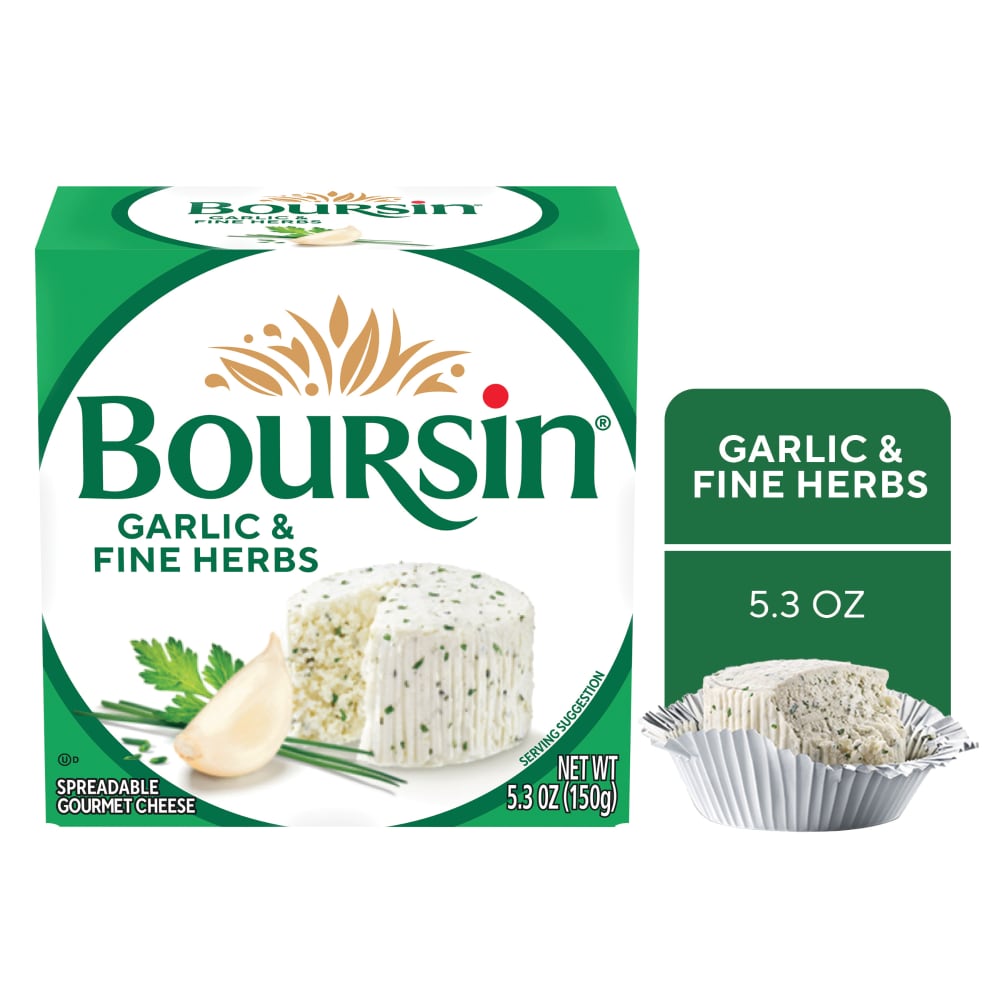
This goat cheese spread contains cultured pasteurized goat milk, which is a high-quality source of protein and beneficial fats, and honey for natural sweetness. However, the presence of potassium sorbate as a preservative introduces a synthetic element that detracts from its natural appeal. The product is moderately processed, which limits its score despite the use of relatively clean ingredients.
Key ingredients 5
Cultured pasteurized goat milkGood
Cultured pasteurized goat milk is a high-quality source of protein and beneficial fats. It is easier to digest for some individuals compared to cow's milk and contains probiotics that support gut health. The pasteurization process ensures safety by eliminating harmful bacteria.
Risks
Some individuals may have allergies or intolerances to goat milk proteins.
Benefits
Provides essential nutrients such as calcium and vitamin D, and supports digestive health through probiotics.
HoneyGood
Traditional whole-food sweetener with trace enzymes and antioxidants.
Risks
Excessive consumption can contribute to increased blood sugar levels and caloric intake.
Benefits
Contains antioxidants and has antibacterial properties, which may offer health benefits when consumed in moderation.
SaltNeutral
Salt is used to enhance flavor and preserve food. It is a necessary nutrient for maintaining fluid balance and nerve function. However, excessive intake can lead to health issues such as hypertension.
Risks
High sodium intake is associated with increased risk of high blood pressure and cardiovascular diseases.
Benefits
Essential for maintaining electrolyte balance and proper muscle function.
EnzymesNeutral
Enzymes are used in cheese production to aid in the coagulation of milk. They are typically derived from microbial or animal sources and are essential for cheese texture and flavor development. Their use is standard in cheese making and poses no significant health concerns.
Benefits
Facilitates the cheese-making process and contributes to the development of flavor and texture.
Potassium sorbateBad
Potassium sorbate is a preservative used to extend shelf life by inhibiting mold and yeast growth. It is synthetically produced and can cause allergic reactions in sensitive individuals. While generally recognized as safe, its use in processed foods is often viewed negatively by consumers seeking natural products.
Risks
May cause allergic reactions or skin irritation in sensitive individuals.
Benefits
Effectively prevents spoilage and extends the shelf life of food products.
Processing
Processed Foods
Get the full breakdown in the Scout appTake Scout shopping
Scan any product to see lab results, healthy alternatives, and your personalized analysis.
Download on theApp Store GET IT ONGoogle Play