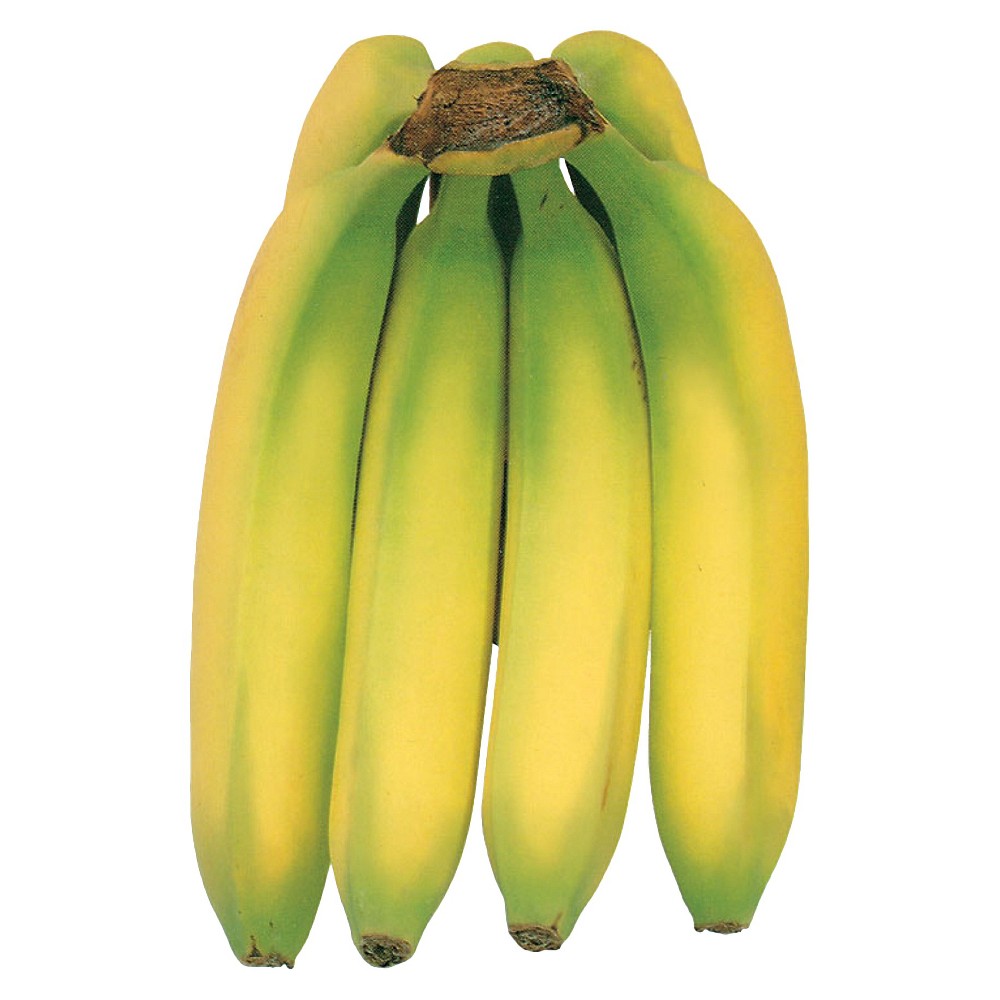
Banana

At a glance
Summary
This product is a processed version of a banana, containing naturally occurring sugars, amino acids, and beneficial fatty acids. Despite its processing level, it retains many of the banana's natural nutrients, such as fiber and vitamins, which contribute to its health benefits. However, the presence of added flavors and colors, even if naturally derived, limits its score compared to whole, unprocessed fruits. Its plastic packaging can shed microplastics into the food and lowers its score.
Key ingredients 16
Fibre E460Good
Fibre E460, or cellulose, is a natural fiber that aids digestion. It is found in the cell walls of plants. It helps maintain bowel health and can aid in weight management.
Benefits
Supports digestive health and can help regulate blood sugar levels.
Amino AcidsGood
Amino acids are the building blocks of proteins and are essential for various bodily functions. Bananas contain a range of amino acids that support muscle repair and growth. They are naturally occurring in the fruit.
Benefits
Essential for protein synthesis and overall health maintenance.
Fatty AcidsGood
Fatty acids in bananas are present in small amounts and include beneficial types like omega-3 and omega-6. They support cell membrane integrity and hormone production. These are naturally occurring in the fruit.
Benefits
Supports heart health and provides essential fatty acids for bodily functions.
PhytosterolsGood
Phytosterols are plant compounds that can help lower cholesterol levels. They are naturally present in bananas. They contribute to heart health by reducing cholesterol absorption.
Benefits
May help reduce cholesterol levels and support cardiovascular health.
E300Good
E300, or ascorbic acid, is a form of vitamin C. It is an antioxidant that supports immune function and skin health. Naturally present in bananas, it helps protect cells from damage.
Benefits
Supports immune health and acts as an antioxidant.
E306 (Tocopherol)Good
E306, or tocopherol, is a form of vitamin E. It acts as an antioxidant and supports skin health. Naturally occurring in bananas, it helps protect cells from oxidative stress.
Benefits
Provides antioxidant benefits and supports skin health.
PhylloquinoneGood
Phylloquinone is a form of vitamin K, essential for blood clotting. It is naturally present in bananas. It supports bone health and proper blood coagulation.
Benefits
Essential for blood clotting and bone health.
ThiaminGood
Thiamin, or vitamin B1, is essential for energy metabolism. It is naturally present in bananas. It supports nerve function and carbohydrate metabolism.
Benefits
Supports energy metabolism and nerve function.
WaterNeutral
Water is a fundamental component of most fruits, providing hydration. It is naturally present and not processed. It does not contribute any calories or nutrients.
Benefits
Essential for hydration and maintaining bodily functions.
SugarsNeutral
Sugars in bananas are naturally occurring and provide quick energy. They include glucose, fructose, and sucrose. These sugars are part of the fruit's natural composition.
Risks
Excessive consumption of sugars can lead to health issues like obesity and diabetes.
Benefits
Provides a quick source of energy and is naturally balanced with fiber in whole fruits.
StarchNeutral
Starch is a carbohydrate that provides energy. In bananas, it is gradually converted to sugars as the fruit ripens. It is a natural component of the fruit.
Benefits
Acts as a source of energy and is part of the natural ripening process.
E515Neutral
E515, also known as potassium sulfate, is used as a nutrient source. It is naturally present in small amounts in bananas. It contributes to the mineral content of the fruit.
Benefits
Provides potassium, which is essential for muscle function and heart health.
Oxalic AcidNeutral
Oxalic acid is a naturally occurring compound in many fruits and vegetables. In bananas, it is present in small amounts. It can bind with minerals and affect their absorption.
Risks
High intake can lead to kidney stones in susceptible individuals.
Colours (Yellow-Orange E101, Yellow-Brown E160a)Neutral
These are natural colorants derived from riboflavin and carotenoids. They are used to enhance the natural color of bananas. They are considered safe and naturally occurring.
Benefits
Enhances the visual appeal of the product without artificial additives.
FlavoursNeutral
Flavours in bananas are naturally occurring compounds that contribute to their aroma and taste. They include esters and alcohols. These compounds are part of the fruit's natural profile.
Benefits
Contributes to the characteristic flavor and aroma of bananas.
1510Neutral
1510 is a natural ripening agent, ethene gas, used to accelerate the ripening process. It is a naturally occurring plant hormone. It is commonly used in the fruit industry to ensure consistent ripening.
Benefits
Ensures uniform ripening and enhances the fruit's natural sweetness.
Processing
Processed Foods
Get the full breakdown in the Scout appTake Scout shopping
Scan any product to see lab results, healthy alternatives, and your personalized analysis.
Amazon pricing & content
Amazon price as of . Product prices and availability are accurate as of the date/time indicated and are subject to change. Any price and availability information displayed on Amazon.com at the time of purchase will apply to the purchase of this product.
CERTAIN CONTENT THAT APPEARS ON THIS SITE COMES FROM AMAZON. THIS CONTENT IS PROVIDED “AS IS” AND IS SUBJECT TO CHANGE OR REMOVAL AT ANY TIME.