
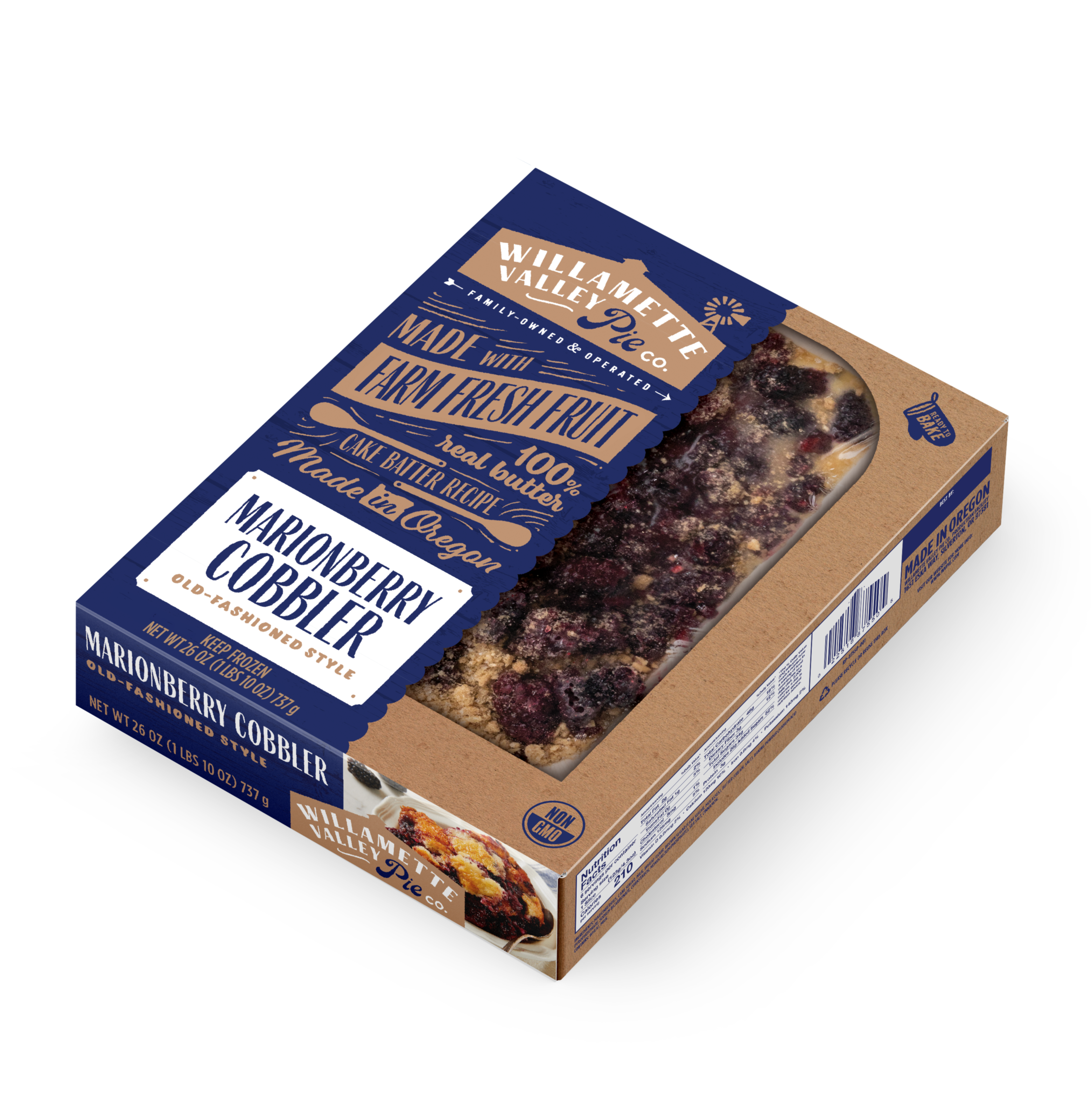


Willamette Valley Fruit Co. - Cobbler - Marionberry 26.00 oz
Analysis updated July 2026 · How Scout scores
At a glance
Summary
This cobbler contains beneficial ingredients like marionberries, milk, and butter, which provide vitamins, minerals, and antioxidants. However, it also includes refined sugars such as cane sugar and brown sugar, which can contribute to increased calorie intake and potential health issues. The product is processed, which limits its score despite the presence of some nutritious components.
Key ingredients 11
MarionberriesVery Good
Marionberries are a rich source of vitamins, minerals, and antioxidants. They provide dietary fiber and support digestive health. Their natural sweetness reduces the need for added sugars.
Benefits
Rich in antioxidants that help combat oxidative stress and inflammation. Provides essential vitamins and minerals beneficial for overall health.
MilkGood
Milk is a good source of calcium, vitamin D, and protein, supporting bone health and muscle function. It provides essential nutrients for growth and development. Pasteurization ensures safety by eliminating harmful bacteria.
Risks
May cause lactose intolerance symptoms in sensitive individuals.
Benefits
Provides essential nutrients like calcium and vitamin D, which are crucial for bone health.
ButterGood
Butter is a natural source of fat-soluble vitamins like A, D, E, and K. It provides a rich flavor and is less processed than margarine. Grass-fed butter offers additional health benefits.
Risks
High in saturated fats, which may impact heart health if consumed in excess.
Benefits
Rich in fat-soluble vitamins and provides a natural source of healthy fats.
CreamGood
Traditional whole-fat dairy ingredient.
Risks
High in saturated fats, which may impact heart health if consumed in excess.
Benefits
Provides a rich texture and flavor, with some fat-soluble vitamins.
MolassesNeutral
Standard formulation ingredient — neither beneficial nor harmful at typical use.
Risks
Excessive consumption may contribute to high sugar intake.
Benefits
Contains trace minerals like iron and calcium, offering some nutritional value.
SaltNeutral
Salt is a common seasoning that enhances flavor but provides no nutritional benefits. It is essential for bodily functions but should be consumed in moderation. Excessive intake can lead to health issues.
Risks
High sodium intake can lead to hypertension and cardiovascular issues.
Benefits
Essential for maintaining fluid balance and nerve function.
Baking PowderNeutral
Baking powder is a leavening agent used to increase volume and lighten texture in baked goods. It is composed of an acid and a base, typically sodium bicarbonate. It is generally safe when used in typical culinary amounts.
See more about Baking Powder →Cane SugarBad
Cane sugar is a refined sugar that can contribute to increased calorie intake and potential weight gain. It lacks nutritional benefits and can lead to blood sugar spikes. Excessive consumption is linked to various health issues.
Risks
High intake may lead to obesity, type 2 diabetes, and dental cavities.
Wheat FlourBad
Refined grain flour stripped of bran and germ.
Risks
May cause gluten-related issues in sensitive individuals.
Benefits
Provides energy through carbohydrates and some protein content.
Brown SugarBad
Brown sugar is similar to white sugar with added molasses, offering minimal nutritional difference. It contributes to calorie intake and potential health issues like refined sugars. Excessive consumption can lead to health problems.
Risks
High intake may lead to obesity, type 2 diabetes, and dental cavities.
Sodium Acid PyrophosphateBad
Processed additive flagged under Scout's ingredient doctrine.
Risks
Excessive consumption may lead to imbalances in phosphorus levels.
Processing
Processed Foods
Get the full breakdown in the Scout appTake Scout shopping
Scan any product to see lab results, healthy alternatives, and your personalized analysis.
Download on theApp Store GET IT ONGoogle PlayAmazon pricing & content
Amazon price as of . Product prices and availability are accurate as of the date/time indicated and are subject to change. Any price and availability information displayed on Amazon.com at the time of purchase will apply to the purchase of this product.
CERTAIN CONTENT THAT APPEARS ON THIS SITE COMES FROM AMAZON. THIS CONTENT IS PROVIDED “AS IS” AND IS SUBJECT TO CHANGE OR REMOVAL AT ANY TIME.