


At a glance
Summary
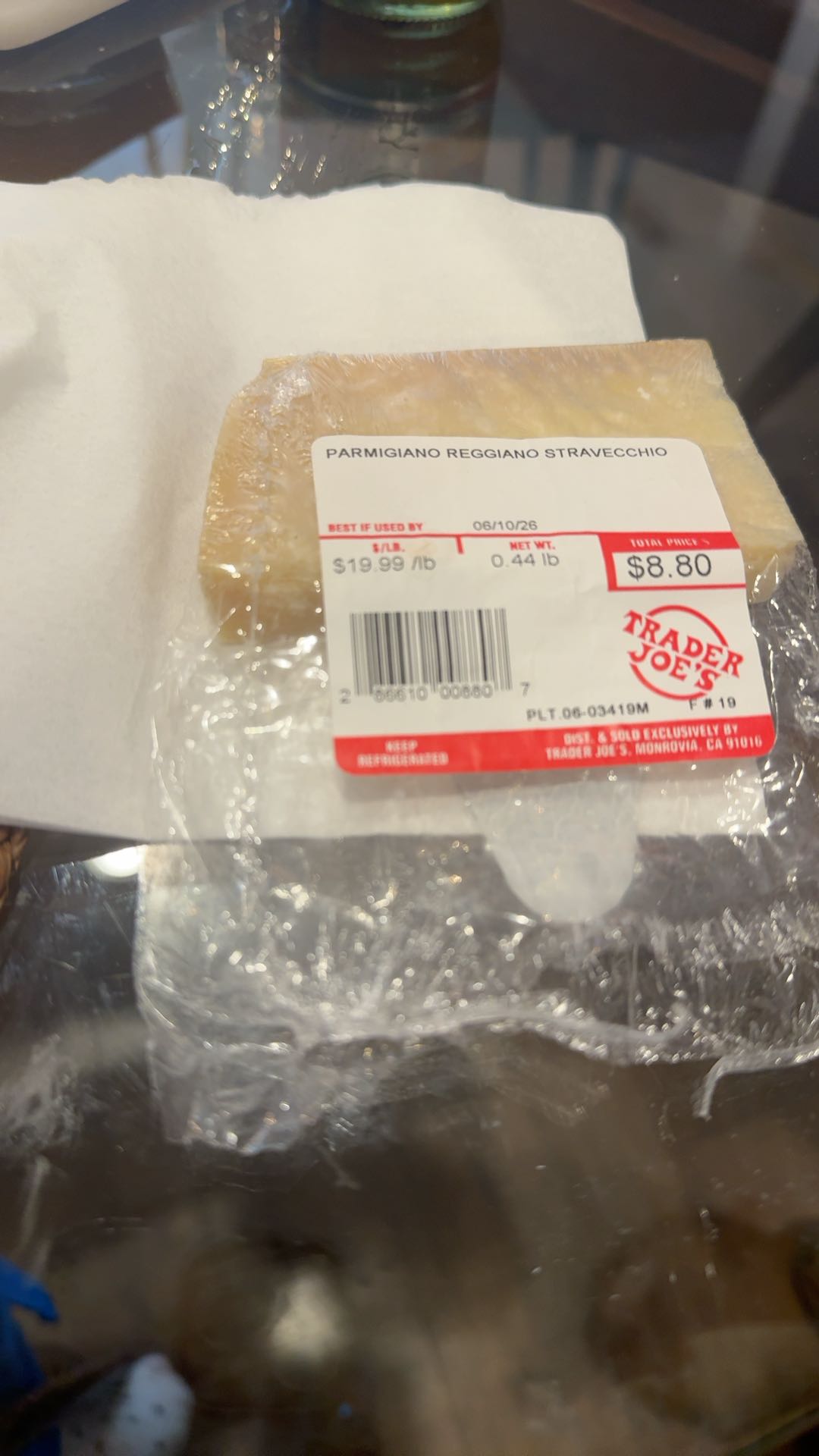
This cheese product contains preservatives such as natamycin and nisin, which are used to extend shelf life but do not contribute to nutritional value. While it is a processed cheese, it maintains a relatively simple ingredient list with pasteurized cow's milk and iodized salt, which are typical for cheese. The presence of these preservatives and its processing level limit its score compared to more traditional cheeses with fewer additives.
Key ingredients 6
RennetGood
Beneficial ingredient — whole-food or functional value in this product class.
Benefits
Essential for the cheese-making process, enabling the transformation of milk into cheese.
Pasteurized cow's milkNeutral
Pasteurized cow's milk is a common base for cheese, providing essential nutrients like calcium and protein. The pasteurization process kills harmful bacteria but may also reduce some beneficial enzymes. It is a standard ingredient in cheese production, offering a balanced nutritional profile.
Risks
Potential lactose intolerance or milk allergy concerns for sensitive individuals.
Benefits
Provides a good source of calcium and protein, essential for bone health and muscle maintenance.
Iodized saltNeutral
Iodized salt is used to enhance flavor and provide iodine, an essential nutrient for thyroid function. It is a refined form of salt, lacking the trace minerals found in unrefined sea salts. While it serves a functional purpose, it does not offer additional health benefits beyond iodine supplementation.
Risks
Excessive sodium intake can lead to hypertension and cardiovascular issues.
Benefits
Provides iodine, which is crucial for maintaining healthy thyroid function.
Calcium chlorideNeutral
Calcium chloride is used in cheese making to improve curd formation and firmness. It is a common additive in cheese production, ensuring consistent texture and quality. While it is not harmful, it does not provide significant nutritional benefits.
Benefits
Helps in achieving the desired texture and firmness in cheese, ensuring product consistency.
NatamycinBad
Natamycin is a preservative used to prevent mold growth on cheese surfaces. It is an antifungal agent that extends shelf life but is not naturally occurring in traditional cheese. Its use is primarily for preservation rather than nutritional benefit.
Risks
Potential for allergic reactions in sensitive individuals, though generally considered safe in small amounts.
Benefits
Effectively prevents mold growth, extending the shelf life of cheese products.
NisinBad
Nisin is a preservative used to inhibit bacterial growth in cheese. It is a bacteriocin that helps maintain product safety and longevity. While effective as a preservative, it does not contribute to the nutritional profile of the cheese.
Risks
May cause allergic reactions in some individuals, though generally recognized as safe in regulated amounts.
Benefits
Helps prevent spoilage by inhibiting bacterial growth, ensuring product safety.
Processing
Processed Foods
Get the full breakdown in the Scout appTake Scout shopping
Scan any product to see lab results, healthy alternatives, and your personalized analysis.
Download on theApp Store GET IT ONGoogle Play