
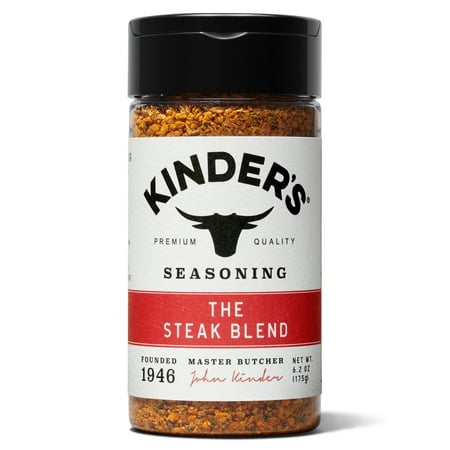



Kinder s The Steak Blend Seasoning 6.2 oz
Summary
This seasoning blend contains a mix of natural ingredients like sea salt, dehydrated garlic, and spices, which are generally considered healthy. However, the presence of maltodextrin and sunflower oil, along with 'natural flavor', indicates a moderate level of processing. While these additives are not inherently harmful, they do detract from the overall natural quality of the product.
At a glance
Key ingredients 16
sea saltNeutral
Sea salt is a common seasoning ingredient used to enhance flavor. It is minimally processed compared to table salt. However, it does not provide significant nutritional benefits beyond sodium.
Risks
Excessive consumption of salt can lead to high blood pressure and cardiovascular issues.
Benefits
Sea salt can enhance the flavor of dishes without the need for additional additives.
dehydrated garlicGood
Dehydrated garlic retains many of the beneficial compounds found in fresh garlic, such as allicin. It is known for its antioxidant and anti-inflammatory properties.
Risks
In rare cases, garlic can cause allergic reactions or gastrointestinal discomfort.
Benefits
Garlic is associated with cardiovascular health benefits and may help boost the immune system.
spicesNeutral
The term 'spices' is broad and can include a variety of plant-derived seasonings. They are used to enhance flavor and may have health benefits depending on the specific spice.
Risks
Without specific identification, potential allergens or irritants cannot be ruled out.
Benefits
Spices can add flavor without additional calories and may offer antioxidant properties.
mustard seedGood
Mustard seeds are known for their pungent flavor and potential health benefits, including anti-inflammatory properties. They contain compounds like glucosinolates which may have protective effects.
Risks
Mustard seeds can cause allergic reactions in some individuals.
Benefits
They may aid in digestion and have antioxidant properties.
dehydrated onionGood
Dehydrated onion retains many of the beneficial compounds of fresh onion, such as quercetin. It is used for flavoring and has potential health benefits.
Risks
Onions can cause digestive discomfort in some individuals.
Benefits
Onions are known for their antioxidant properties and potential cardiovascular benefits.
lemon peelGood
Lemon peel contains essential oils and compounds like limonene, which have antioxidant properties. It is used for flavoring and may offer health benefits.
Risks
Ingesting large amounts of lemon peel can cause digestive issues.
Benefits
Lemon peel may support immune function and provide a source of vitamin C.
dehydrated mushroomGood
Dehydrated mushrooms retain many of the nutrients and compounds found in fresh mushrooms, such as beta-glucans. They are used for flavor and potential health benefits.
Risks
Mushrooms can cause allergic reactions in some individuals.
Benefits
Mushrooms are known for their immune-boosting properties and potential anti-cancer effects.
maltodextrinNeutral
Maltodextrin is a carbohydrate used as a thickener or filler in food products. It is derived from starch and is easily digestible.
Risks
High consumption can lead to spikes in blood sugar levels.
Benefits
It provides a quick source of energy and is generally considered safe in moderate amounts.
paprikaGood
Paprika is a spice made from ground peppers and is rich in antioxidants like vitamin A and capsaicin. It is used for flavor and color.
Risks
In rare cases, paprika can cause allergic reactions.
Benefits
Paprika may support eye health and has anti-inflammatory properties.
chili pepperGood
Chili peppers contain capsaicin, which is known for its metabolism-boosting and pain-relieving properties. They add heat and flavor to dishes.
Risks
Excessive consumption can cause digestive discomfort or irritation.
Benefits
Chili peppers may aid in weight management and have anti-inflammatory effects.
sunflower oilNeutral
Sunflower oil is a common cooking oil that is high in vitamin E and low in saturated fat. It is used for its mild flavor and high smoke point.
Risks
Overconsumption of omega-6 fatty acids in sunflower oil can lead to an imbalance with omega-3s.
Benefits
It is a source of healthy fats and vitamin E, which is beneficial for skin health.
natural flavorNeutral
Natural flavors are used to enhance the taste of food products. They are derived from natural sources but can be processed.
Risks
The specific composition is often undisclosed, which can be a concern for those with allergies.
Benefits
They can improve the palatability of food without adding calories.
lemon pureeGood
Lemon puree is made from whole lemons and retains the fruit's natural nutrients, including vitamin C. It is used for flavor and acidity.
Risks
In large amounts, the acidity can cause dental erosion.
Benefits
Lemon puree provides vitamin C and antioxidants, supporting immune health.
cane sugarNeutral
Cane sugar is a natural sweetener derived from sugarcane. It is used to add sweetness to food products.
Risks
Excessive consumption can lead to weight gain and increased risk of diabetes.
Benefits
In moderation, it can enhance the flavor of foods and provide quick energy.
citric acidNeutral
Citric acid is a natural preservative and flavoring agent found in citrus fruits. It is used to add acidity and enhance flavor.
Risks
In large amounts, it can cause tooth enamel erosion.
Benefits
Citric acid can enhance flavor and act as a preservative in food products.
lemon juiceGood
Lemon juice is rich in vitamin C and antioxidants. It is used for its tart flavor and potential health benefits.
Risks
Excessive consumption can lead to dental erosion due to its acidity.
Benefits
Lemon juice supports immune health and provides antioxidants.
Processing
Ultra-Processed Foods
Get the full breakdown in the Scout app
Scan any product to see lab results, healthy alternatives, and your personalized analysis.
Download on theApp Store