
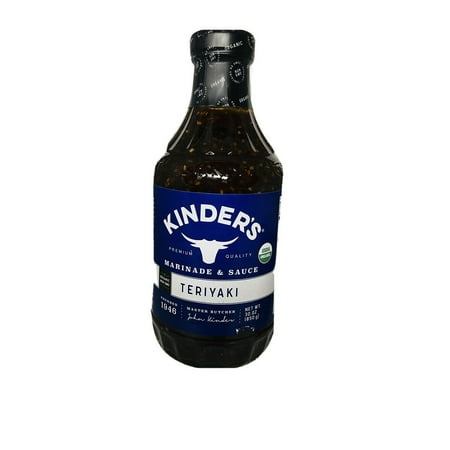

Kinder s Organic Teriyaki Marinade & Dipping Sauce 30 Ounce
Summary
This organic teriyaki marinade is ultra-processed, which limits its score potential. While it contains beneficial ingredients like vinegar, garlic, and ginger, it also includes high levels of sugar and caramel color, which are concerning for health. The presence of additives like xanthan gum and caramel color further contributes to its processing level, impacting the overall rating.
At a glance
Key ingredients 13
WaterNeutral
Water is a neutral ingredient used as a base in many sauces. It helps to dissolve other ingredients and adjust the consistency of the product. No significant health impacts are associated with water in this context.
See more about Water →SugarBad
Sugar is a refined carbohydrate that can contribute to increased calorie intake. Excessive consumption is linked to obesity, diabetes, and other metabolic disorders. Organic certification indicates no synthetic pesticides were used, but health concerns remain.
Risks
High sugar intake is associated with increased risk of obesity, type 2 diabetes, and dental cavities.
Benefits
Provides quick energy but lacks essential nutrients.
Soy SauceNeutral
Soy sauce is a fermented condiment made from soybeans, wheat, and salt. It adds umami flavor to dishes but is high in sodium. Organic certification suggests fewer synthetic additives.
Risks
High sodium content can contribute to hypertension if consumed in excess.
Benefits
Adds flavor and contains some antioxidants from the fermentation process.
VinegarGood
Vinegar is a fermented product that can aid in digestion and has antimicrobial properties. It is often used to enhance flavor and preserve foods. Organic vinegar is free from synthetic pesticides and fertilizers.
Benefits
May aid in digestion and has antimicrobial properties.
SaltNeutral
Salt is used to enhance flavor and preserve food. It is essential for bodily functions but should be consumed in moderation. Excessive intake can lead to health issues.
Risks
Excessive salt intake is linked to hypertension and cardiovascular diseases.
Benefits
Essential for maintaining fluid balance and nerve function.
Corn StarchNeutral
Corn starch is a carbohydrate used as a thickening agent in sauces. It is generally considered safe but provides little nutritional value. Organic certification indicates it is free from genetically modified organisms.
See more about Corn Starch →GarlicGood
Garlic is a flavorful herb with potential health benefits, including antimicrobial and cardiovascular support. It is rich in sulfur compounds that may enhance immune function. Organic garlic is grown without synthetic pesticides.
Benefits
May support cardiovascular health and has antimicrobial properties.
GingerGood
Ginger is a spice known for its anti-inflammatory and digestive benefits. It contains bioactive compounds like gingerol that may reduce nausea and pain. Organic ginger is cultivated without synthetic chemicals.
Benefits
May reduce inflammation and aid digestion.
Sesame SeedsNeutral
Sesame seeds are a source of healthy fats and minerals like calcium and magnesium. They add texture and flavor to foods. Organic sesame seeds are grown without synthetic pesticides.
Risks
Allergic reactions can occur in sensitive individuals.
Benefits
Provide healthy fats and essential minerals.
Caramel ColorBad
Caramel color is a food coloring agent used to enhance the appearance of products. It is considered safe in small amounts but may contain contaminants like 4-MEI. Organic certification does not apply to this additive.
Risks
Potential presence of 4-MEI, a byproduct linked to cancer in animal studies.
Xanthan GumNeutral
Xanthan gum is a polysaccharide used as a thickening and stabilizing agent. It is produced through fermentation and is generally recognized as safe. It is often used in small quantities in food products.
Risks
May cause digestive issues in sensitive individuals when consumed in large amounts.
Benefits
Helps improve texture and stability of food products.
Cultured MaltodextrinNeutral
Cultured maltodextrin is a carbohydrate used as a preservative and stabilizer. It is derived from starch and is generally considered safe. Organic certification indicates it is free from genetically modified organisms.
Risks
May affect blood sugar levels if consumed in large amounts.
Cultured DextroseNeutral
Cultured dextrose is used as a natural preservative to inhibit spoilage. It is derived from corn and is generally recognized as safe. Organic certification ensures it is free from synthetic additives.
Risks
May contribute to increased blood sugar levels if consumed in excess.
Benefits
Acts as a natural preservative to extend shelf life.
Processing
Ultra-Processed Foods
Get the full breakdown in the Scout app
Scan any product to see lab results, healthy alternatives, and your personalized analysis.
Download on theApp Store