
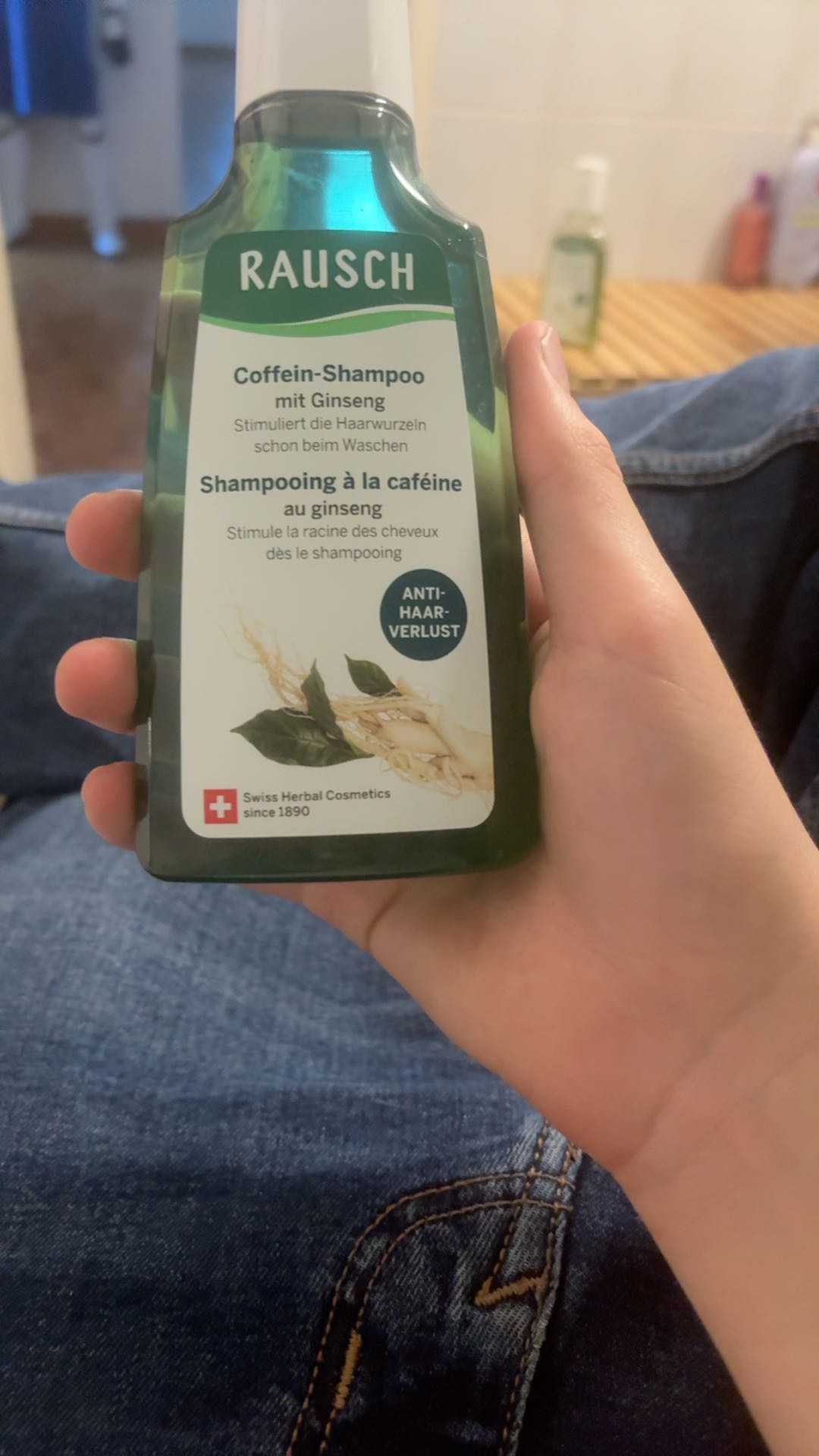


Rausch Coltsfoot Anti-dandruff Conditioner 200 Ml
Analysis updated August 2026 · How Scout scores
At a glance
Summary
This conditioner contains several beneficial ingredients such as Behentrimonium Methosulfate, Arctium Lappa Root Extract, and Panthenol, which are known for their conditioning and soothing properties. However, the presence of Alcohol Denat, which can be drying, and Parfum, which may cause irritation, slightly detracts from its overall safety profile. Despite these concerns, the product largely consists of safe and effective ingredients, contributing to a favorable score.
Key ingredients 26
Arctium Lappa Root ExtractGood
Arctium Lappa Root Extract, also known as burdock root, is known for its soothing and anti-inflammatory properties. It is often used in hair care for its potential to improve scalp health. It is considered safe and beneficial.
Risks
There are minimal risks, though it may cause irritation in sensitive individuals.
Benefits
It may help to soothe the scalp and promote healthier hair growth.
Tussilago Farfara Leaf ExtractGood
Tussilago Farfara Leaf Extract, or coltsfoot, is known for its soothing and anti-inflammatory properties. It is used in hair care to improve scalp health. It is considered safe and beneficial.
Risks
There are minimal risks, though it may cause irritation in sensitive individuals.
Benefits
It may help to soothe the scalp and reduce dandruff.
Avena Sativa Kernel ExtractGood
Avena Sativa Kernel Extract, or oat extract, is known for its moisturizing and soothing properties. It is used in hair care to improve scalp health and hydration. It is considered safe and beneficial.
Risks
There are minimal risks, though it may cause irritation in sensitive individuals.
Benefits
It provides hydration and soothing benefits to the scalp and hair.
Bertholletia Excelsa Seed OilGood
Bertholletia Excelsa Seed Oil, or Brazil nut oil, is rich in fatty acids and vitamins. It is used in hair care for its moisturizing and nourishing properties. It is considered safe and beneficial.
Risks
There are minimal risks, though it may cause irritation in sensitive individuals.
Benefits
It provides deep nourishment and hydration to the hair.
GlycerinGood
Glycerin is a humectant that attracts moisture to the hair and scalp. It is widely used in hair care for its hydrating properties. It is considered safe and beneficial.
Risks
There are minimal risks, though it may cause irritation in sensitive individuals.
Benefits
It helps to maintain moisture levels in the hair, preventing dryness.
Panthenyl Ethyl EtherGood
Panthenyl Ethyl Ether is a derivative of panthenol, known for its moisturizing and strengthening properties. It is used in hair care to improve hair texture and resilience. It is considered safe and beneficial.
Risks
There are minimal risks, though it may cause irritation in sensitive individuals.
Benefits
It helps to strengthen and moisturize the hair, improving its overall health.
PanthenolGood
Panthenol is a form of vitamin B5 known for its moisturizing and strengthening properties. It is widely used in hair care to improve hair texture and resilience. It is considered safe and beneficial.
Risks
There are minimal risks, though it may cause irritation in sensitive individuals.
Benefits
It helps to strengthen and moisturize the hair, improving its overall health.
Piroctone OlamineGood
Piroctone Olamine is an antifungal agent used to treat dandruff and improve scalp health. It is effective in reducing flakiness and itchiness. It is considered safe and beneficial for dandruff control.
Risks
There are minimal risks, though it may cause irritation in sensitive individuals.
Benefits
It helps to control dandruff and improve scalp health.
Hydrolyzed Vegetable ProteinGood
Hydrolyzed Vegetable Protein is used in hair care for its strengthening and conditioning properties. It helps to improve hair texture and resilience. It is considered safe and beneficial.
Risks
There are minimal risks, though it may cause irritation in sensitive individuals.
Benefits
It helps to strengthen and condition the hair, improving its overall health.
TocopherolGood
Tocopherol, or vitamin E, is an antioxidant used in hair care for its nourishing and protective properties. It helps to improve hair health and prevent damage. It is considered safe and beneficial.
Risks
There are minimal risks, though it may cause irritation in sensitive individuals.
Benefits
It provides antioxidant protection and nourishment to the hair.
AquaNeutral
Aqua, or water, is a common solvent used in cosmetic formulations. It helps dissolve other ingredients and provides a base for the product. It is generally considered safe and non-reactive.
Risks
There are no significant risks associated with water in cosmetic products.
Benefits
Water helps to hydrate and distribute other ingredients evenly across the hair.
Cetearyl AlcoholNeutral
Standard formulation ingredient — neither beneficial nor harmful at typical use.
Risks
There are minimal risks associated with Cetearyl Alcohol, though it may cause irritation in very sensitive individuals.
Benefits
It provides moisturizing properties and improves the texture of the conditioner.
Brassica AlcoholNeutral
Brassica Alcohol is a fatty alcohol derived from plant sources. It is used as an emollient and thickener in hair care products. It is generally considered safe and non-irritating.
Risks
There are minimal risks associated with Brassica Alcohol.
Benefits
It helps to improve the texture and spreadability of the conditioner.
Copaifera Officinalis ResinNeutral
Copaifera Officinalis Resin is a natural resin with potential anti-inflammatory properties. It is used in cosmetics for its soothing effects. Its safety profile is generally positive.
Risks
There are minimal risks, though it may cause irritation in sensitive individuals.
Benefits
It may provide soothing and anti-inflammatory benefits to the scalp.
XylitylglucosideNeutral
Xylitylglucoside is a sugar-derived ingredient used for its moisturizing properties. It helps to improve the hydration of the hair and scalp. It is generally considered safe.
Risks
There are minimal risks associated with Xylitylglucoside.
Benefits
It helps to enhance the moisture retention of the hair.
AnhydroxylitolNeutral
Anhydroxylitol is a sugar-derived ingredient used for its moisturizing properties. It helps to improve the hydration of the hair and scalp. It is generally considered safe.
Risks
There are minimal risks associated with Anhydroxylitol.
Benefits
It helps to enhance the moisture retention of the hair.
XylitolNeutral
Xylitol is a sugar alcohol used for its moisturizing properties. It helps to improve the hydration of the hair and scalp. It is generally considered safe.
Risks
There are minimal risks associated with Xylitol.
Benefits
It helps to enhance the moisture retention of the hair.
Brassicyl Isoleucinate EsylateNeutral
Brassicyl Isoleucinate Esylate is a conditioning agent derived from plant sources. It is used to improve hair texture and manageability. It is generally considered safe.
Risks
There are minimal risks associated with Brassicyl Isoleucinate Esylate.
Benefits
It helps to improve the texture and manageability of the hair.
Brassicamidopropyl DimethylamineNeutral
Brassicamidopropyl Dimethylamine is a conditioning agent derived from plant sources. It is used to improve hair texture and manageability. It is generally considered safe.
Risks
There are minimal risks associated with Brassicamidopropyl Dimethylamine.
Benefits
It helps to improve the texture and manageability of the hair.
Lactic AcidNeutral
Lactic Acid is an alpha hydroxy acid used to adjust the pH of cosmetic products. It can also provide mild exfoliation. It is generally considered safe.
Risks
There are minimal risks, though it may cause irritation in sensitive individuals.
Benefits
It helps to maintain the pH balance of the product and can provide mild exfoliation.
Benzoic AcidNeutral
Benzoic Acid is a preservative used to prevent microbial growth in cosmetic products. It is effective in maintaining product safety. It is generally considered safe in low concentrations.
Risks
There are minimal risks, though it may cause irritation in sensitive individuals.
Benefits
It helps to preserve the product and prevent contamination.
Behentrimonium MethosulfateBad
Processed additive flagged under Scout's ingredient doctrine.
Risks
There are minimal risks, though it may cause irritation in very sensitive individuals.
Benefits
It is effective in conditioning and detangling hair without causing buildup.
PhenoxyethanolBad
Processed additive flagged under Scout's ingredient doctrine.
Risks
There are minimal risks, though it may cause irritation in sensitive individuals.
Benefits
It helps to preserve the product and prevent contamination.
Sodium BenzoateBad
Synthetic preservative that can form benzene in the presence of vitamin C.
Risks
There are minimal risks, though it may cause irritation in sensitive individuals.
Benefits
It helps to preserve the product and prevent contamination.
ParfumBad
Parfum, or fragrance, is used to add scent to cosmetic products. It can be irritating to the skin and scalp. It is generally considered a less favorable ingredient due to potential allergens.
Risks
It can cause irritation and allergic reactions in sensitive individuals.
Benefits
It provides a pleasant scent to the product.
Alcohol DenatVery Bad
Alcohol Denat, or denatured alcohol, is used as a solvent and preservative. It can be drying to the hair and scalp. It is generally considered a less favorable ingredient in hair care.
Risks
It can cause dryness and irritation to the scalp and hair.
Benefits
It helps to dissolve other ingredients and preserve the product.
Get the full breakdown in the Scout appTake Scout shopping
Scan any product to see lab results, healthy alternatives, and your personalized analysis.
Download on theApp Store GET IT ONGoogle PlayAmazon pricing & content
Amazon price as of . Product prices and availability are accurate as of the date/time indicated and are subject to change. Any price and availability information displayed on Amazon.com at the time of purchase will apply to the purchase of this product.
CERTAIN CONTENT THAT APPEARS ON THIS SITE COMES FROM AMAZON. THIS CONTENT IS PROVIDED “AS IS” AND IS SUBJECT TO CHANGE OR REMOVAL AT ANY TIME.