
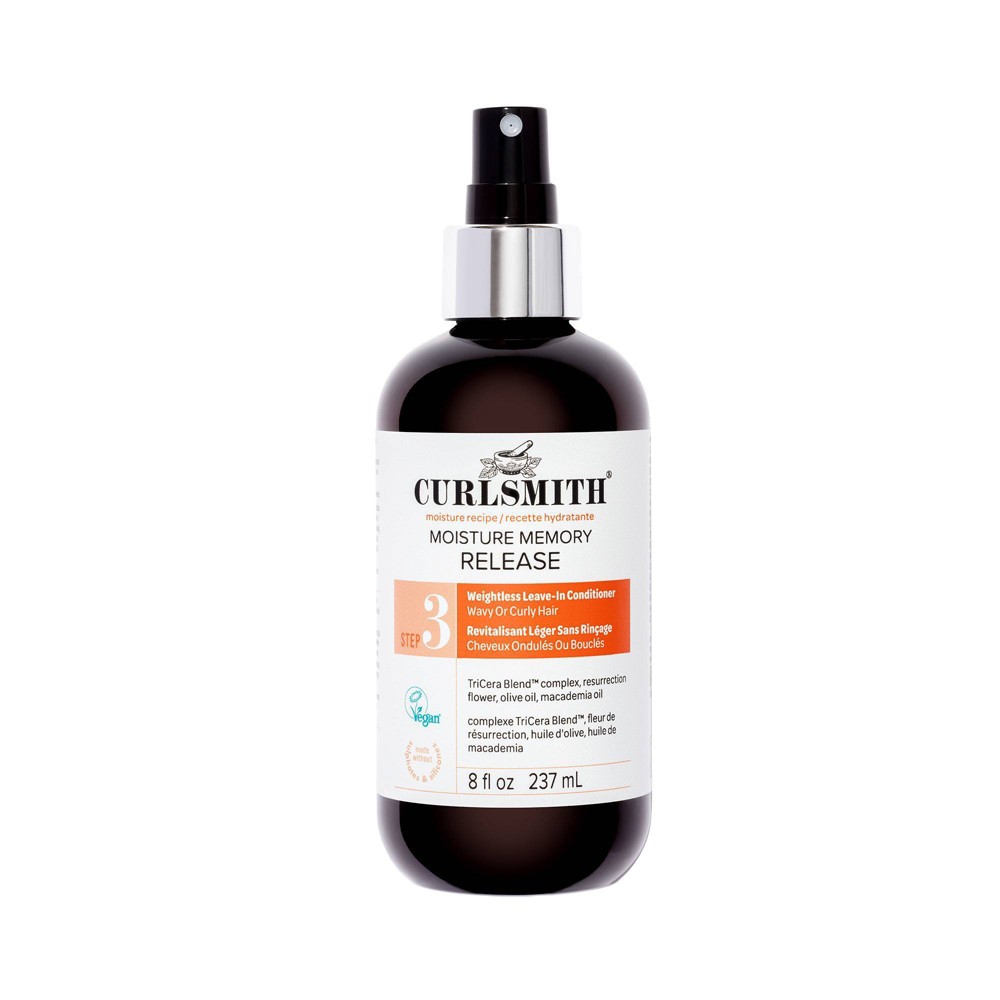
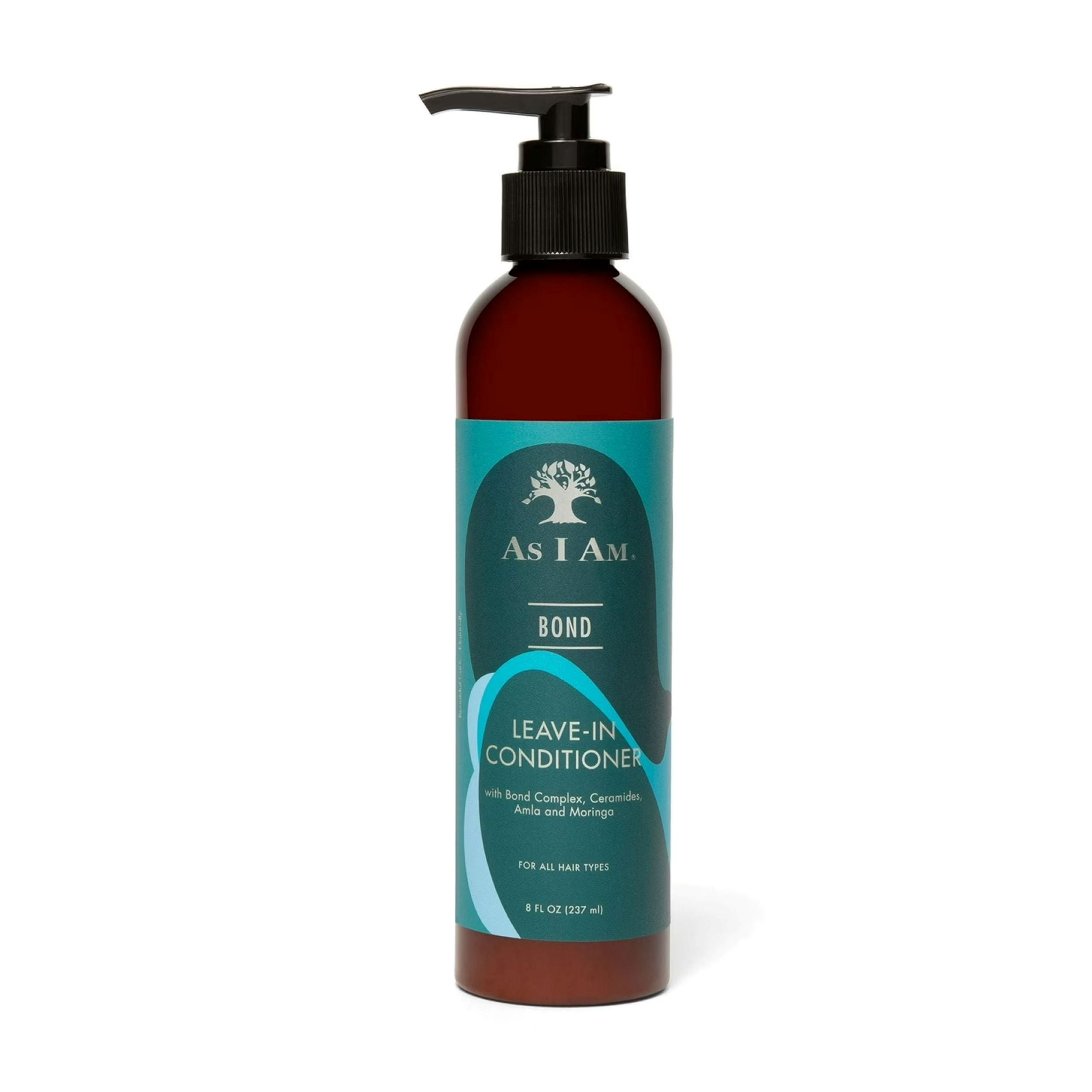
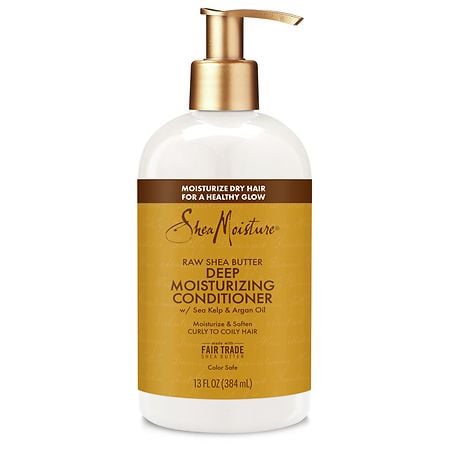
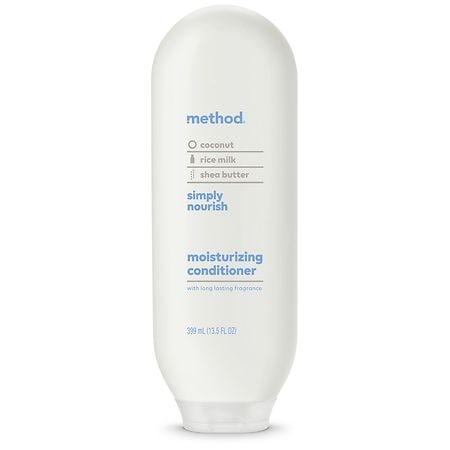
CURLSMITH Moisture Memory Release Standard Size - Ulta Beauty: Moisturizing, For All Hair Types, Leave-In Spray, 8 oz
Analysis updated July 2026 · How Scout scores
At a glance
Summary
This leave-in spray contains several beneficial ingredients such as avocado oil, apricot kernel oil, and ceramides, which are known for their moisturizing and nourishing properties. However, the presence of phenoxyethanol and synthetic fragrance, which can cause skin irritation and allergic reactions, slightly detracts from its overall safety profile. The product is processed, which also influences the score, but it still maintains a relatively clean ingredient list.
Key ingredients 38
Persea Gratissima (Avocado) OilVery Good
Avocado oil is rich in vitamins and fatty acids, making it an excellent moisturizer and conditioner for hair. It penetrates the hair shaft to provide deep nourishment. It is highly regarded for its ability to improve hair health and shine.
Risks
There are minimal risks associated with avocado oil, though some individuals may experience allergic reactions.
Benefits
Avocado oil provides deep conditioning and helps to strengthen and nourish hair.
Olea Europaea (Olive) Fruit OilVery Good
Olive oil is rich in antioxidants and healthy fats, making it an excellent conditioner for hair. It helps to nourish and strengthen hair, improving its elasticity and shine. It is highly valued for its moisturizing and protective properties.
Risks
There is a low risk of allergic reactions with olive oil.
Benefits
Olive oil provides deep conditioning and enhances hair shine.
Macadamia Integrifolia Seed OilVery Good
Macadamia oil is rich in fatty acids and antioxidants, making it an excellent moisturizer for hair. It helps to improve hair elasticity and shine, while also providing protection against environmental damage. It is highly regarded for its nourishing properties.
Risks
There is a low risk of allergic reactions with macadamia oil.
Benefits
Macadamia oil nourishes and protects hair, enhancing its shine and elasticity.
Ricinus Communis (Castor) Seed OilVery Good
Castor oil is known for its high ricinoleic acid content, which provides deep conditioning and promotes hair growth. It helps to improve hair thickness and reduce breakage. It is highly valued for its nourishing and strengthening properties.
Risks
There is a low risk of allergic reactions with castor oil.
Benefits
Castor oil promotes hair growth and strengthens hair.
Lauryl GlucosideVery Good
Lauryl glucoside is a mild surfactant derived from coconut and glucose, known for its gentle cleansing properties. It is suitable for sensitive skin and hair, making it a preferred choice in natural formulations. It is highly regarded for its mildness and effectiveness.
Risks
There are no significant risks associated with lauryl glucoside.
Benefits
Lauryl glucoside provides gentle cleansing without stripping natural oils.
GlycerinGood
Glycerin is a humectant that attracts moisture to the hair and skin, helping to maintain hydration. It is derived from natural sources and is widely used for its moisturizing properties. It is considered beneficial in hair care products.
Risks
In rare cases, glycerin can cause irritation if used in very high concentrations.
Benefits
Glycerin helps to keep hair moisturized and can improve the texture and manageability of hair.
Prunus Armeniaca (Apricot) Kernel OilGood
Apricot kernel oil is lightweight and rich in vitamins A and E, which help to nourish and soften hair. It is easily absorbed and does not leave a greasy residue. It is beneficial for maintaining hair moisture and elasticity.
Risks
There is a low risk of allergic reactions with apricot kernel oil.
Benefits
Apricot kernel oil helps to moisturize and improve the texture of hair.
Ceramide NGGood
Ceramides are lipid molecules that help to restore the natural barrier of the hair, preventing moisture loss. They are essential for maintaining hair health and resilience. Ceramide NG is beneficial for strengthening and protecting hair.
Risks
Ceramides are generally safe with no significant risks.
Benefits
Ceramide NG helps to strengthen hair and prevent damage.
Ceramide NPGood
Ceramide NP is a type of ceramide that helps to reinforce the hair's natural barrier, improving moisture retention. It is effective in repairing damaged hair and enhancing its strength. It is considered beneficial for hair health.
Risks
There are no significant risks associated with ceramide NP.
Benefits
Ceramide NP aids in repairing and strengthening hair.
Ceramide APGood
Ceramide AP is another form of ceramide that supports the hair's lipid barrier, enhancing its ability to retain moisture. It is beneficial for improving hair texture and resilience. It is widely used for its protective properties.
Risks
Ceramide AP is generally safe with no known risks.
Benefits
Ceramide AP helps to protect and strengthen hair.
Ceramide ASGood
Ceramide AS contributes to the structural integrity of the hair, helping to maintain its moisture balance. It is effective in reducing hair breakage and improving overall hair health. It is considered a beneficial ingredient in hair care.
Risks
There are no significant risks associated with ceramide AS.
Benefits
Ceramide AS helps to maintain hair strength and moisture.
Selaginella Lepidophylla ExtractGood
Selaginella Lepidophylla, also known as the 'resurrection plant,' is known for its ability to retain moisture in extreme conditions. Its extract is used in hair care for its hydrating and revitalizing properties. It is beneficial for enhancing hair moisture and vitality.
Risks
There are minimal risks associated with this plant extract.
Benefits
Selaginella Lepidophylla Extract helps to hydrate and revitalize hair.
Ceramide EOPGood
Ceramide EOP is a lipid molecule that helps to reinforce the hair's natural barrier, preventing moisture loss. It is effective in repairing and strengthening hair. It is considered beneficial for maintaining hair health.
Risks
Ceramide EOP is generally safe with no known risks.
Benefits
Ceramide EOP helps to repair and strengthen hair.
CholesterolGood
Cholesterol is a lipid that helps to strengthen and repair the hair's natural barrier, improving its moisture retention. It is beneficial for enhancing hair texture and resilience. It is widely used for its conditioning properties.
Risks
Cholesterol is generally safe with no significant risks.
Benefits
Cholesterol helps to strengthen and condition hair.
Helianthus Annuus (Sunflower) Seed OilGood
Sunflower seed oil is rich in vitamins and fatty acids, making it an excellent moisturizer for hair. It helps to nourish and protect hair, improving its softness and shine. It is beneficial for maintaining hair health and vitality.
Risks
There is a low risk of allergic reactions with sunflower seed oil.
Benefits
Sunflower seed oil nourishes and protects hair, enhancing its softness and shine.
TocopherolGood
Tocopherol, also known as vitamin E, is an antioxidant that helps to protect hair from environmental damage. It is beneficial for maintaining hair health and improving its appearance. It is widely used for its protective and nourishing properties.
Risks
Tocopherol is generally safe with no significant risks.
Benefits
Tocopherol protects hair from damage and enhances its health.
Hydrogenated LecithinGood
Hydrogenated lecithin is an emulsifier that helps to stabilize cosmetic formulations and improve their texture. It is beneficial for enhancing the spreadability and absorption of products. It is considered a positive ingredient in hair care.
Risks
Hydrogenated lecithin is generally safe with no significant risks.
Benefits
Hydrogenated lecithin improves product texture and absorption.
Hydrolyzed Caesalpinia Spinosa GumGood
Hydrolyzed Caesalpinia Spinosa Gum is a natural thickening agent that helps to improve the texture and viscosity of hair care products. It is beneficial for enhancing product performance and application. It is considered a positive ingredient in hair care.
Risks
There are no significant risks associated with this ingredient.
Benefits
Hydrolyzed Caesalpinia Spinosa Gum improves product texture and application.
Caesalpinia Spinosa GumGood
Caesalpinia Spinosa Gum is a natural thickening agent that helps to improve the texture and viscosity of hair care products. It is beneficial for enhancing product performance and application. It is considered a positive ingredient in hair care.
Risks
There are no significant risks associated with this ingredient.
Benefits
Caesalpinia Spinosa Gum improves product texture and application.
Sclerotium GumGood
Sclerotium gum is a natural thickening agent that helps to improve the texture and viscosity of hair care products. It is beneficial for enhancing product performance and application. It is considered a positive ingredient in hair care.
Risks
There are no significant risks associated with sclerotium gum.
Benefits
Sclerotium gum improves product texture and application.
Citrus Limon Peel OilGood
Citrus limon peel oil is derived from lemon peel and is known for its refreshing scent and antimicrobial properties. It is beneficial for enhancing the fragrance and freshness of hair care products. It is considered a positive ingredient for its natural origin and benefits.
Risks
There is a low risk of photosensitivity with citrus oils.
Benefits
Citrus limon peel oil provides a refreshing scent and antimicrobial benefits.
Water (Aqua / Eau)Neutral
Water is the primary solvent in many cosmetic products, providing a base for other ingredients. It helps to dissolve and distribute other components evenly. It is generally considered neutral in terms of benefits and risks.
Risks
There are no significant risks associated with water in cosmetic formulations.
Benefits
Water helps to hydrate and distribute other ingredients effectively.
Palmitic AcidNeutral
Palmitic acid is a fatty acid used as an emollient and thickening agent in cosmetic formulations. It helps to improve the texture and spreadability of products. It is generally considered neutral in terms of benefits and risks.
Risks
There are no significant risks associated with palmitic acid.
Benefits
Palmitic acid helps to improve product texture and application.
2,3-ButanediolNeutral
2,3-Butanediol is a solvent and viscosity-decreasing agent used in cosmetic formulations. It helps to improve the texture and spreadability of products. It is generally considered neutral in terms of benefits and risks.
Risks
There are no significant risks associated with 2,3-butanediol.
Benefits
2,3-Butanediol helps to improve product texture and application.
Glyceryl StearateNeutral
Glyceryl stearate is an emulsifier and thickening agent used in cosmetic formulations. It helps to stabilize products and improve their texture. It is generally considered neutral in terms of benefits and risks.
Risks
There are no significant risks associated with glyceryl stearate.
Benefits
Glyceryl stearate helps to stabilize and improve product texture.
PEG-40 Hydrogenated Castor OilNeutral
PEG-40 Hydrogenated Castor Oil is an emulsifier and surfactant used to stabilize formulations and improve texture. It helps to enhance the spreadability and absorption of products. It is generally considered neutral in terms of benefits and risks.
Risks
There are minimal risks associated with PEG-40 Hydrogenated Castor Oil, though it may cause irritation in sensitive individuals.
Benefits
PEG-40 Hydrogenated Castor Oil improves product texture and absorption.
Sodium GluconateNeutral
Sodium gluconate is a chelating agent that helps to stabilize cosmetic formulations and improve their shelf life. It is generally considered neutral in terms of benefits and risks. It is used to enhance the stability and performance of products.
Risks
There are no significant risks associated with sodium gluconate.
Benefits
Sodium gluconate helps to stabilize formulations and improve shelf life.
EthylhexylglycerinNeutral
Ethylhexylglycerin is a preservative and skin-conditioning agent used to enhance the efficacy of other preservatives. It is generally considered neutral in terms of benefits and risks. It is used to improve product stability and performance.
Risks
There are minimal risks associated with ethylhexylglycerin, though it may cause irritation in sensitive individuals.
Benefits
Ethylhexylglycerin helps to enhance product stability and preservation.
Citric AcidNeutral
Citric acid is used to adjust the pH of cosmetic formulations and improve their stability. It is generally considered neutral in terms of benefits and risks. It is used to enhance the performance and shelf life of products.
Risks
In high concentrations, citric acid can cause irritation.
Benefits
Citric acid helps to stabilize formulations and adjust pH levels.
Tetramethyl AcetyloctahydronaphthalenesNeutral
Tetramethyl acetyloctahydronaphthalenes are synthetic fragrance compounds used to impart a long-lasting scent to products. They are generally considered neutral in terms of benefits and risks. They are used to enhance the fragrance of products.
Risks
These compounds can cause skin irritation in sensitive individuals.
Benefits
Tetramethyl acetyloctahydronaphthalenes provide a long-lasting scent to products.
Cetrimonium ChlorideBad
Processed additive flagged under Scout's ingredient doctrine.
Risks
In high concentrations, cetrimonium chloride can cause irritation.
Benefits
Cetrimonium chloride helps to detangle hair and reduce static.
Sodium BenzoateBad
Synthetic preservative that can form benzene in the presence of vitamin C.
Risks
In high concentrations, sodium benzoate can cause irritation.
Benefits
Sodium benzoate helps to preserve formulations and prevent microbial growth.
Potassium SorbateBad
Synthetic preservative — flagged in daily-use products.
Risks
In high concentrations, potassium sorbate can cause irritation.
Benefits
Potassium sorbate helps to preserve formulations and prevent microbial growth.
PhenoxyethanolBad
Phenoxyethanol is a preservative used to prevent microbial growth in cosmetic formulations. It is effective in enhancing product shelf life but has been associated with skin irritation and allergic reactions in some individuals. It is considered a negative ingredient due to potential sensitivity issues.
Risks
Phenoxyethanol can cause skin irritation and allergic reactions in sensitive individuals.
Benefits
Phenoxyethanol helps to preserve formulations and prevent microbial growth.
LimoneneBad
Processed additive flagged under Scout's ingredient doctrine.
Risks
Limonene can cause skin irritation in sensitive individuals.
Benefits
Limonene provides a pleasant citrus scent to products.
LinaloolBad
Processed additive flagged under Scout's ingredient doctrine.
Risks
Linalool can cause skin irritation in sensitive individuals.
Benefits
Linalool provides a pleasant floral scent to products.
PineneBad
Processed additive flagged under Scout's ingredient doctrine.
Risks
Pinene can cause skin irritation in sensitive individuals.
Benefits
Pinene provides a fresh, pine-like scent to products.
Fragrance (Parfum)Very Bad
Fragrance is used to impart a pleasant scent to cosmetic products, but it can contain a mixture of undisclosed chemicals. It is associated with allergic reactions and skin irritation in sensitive individuals. It is considered a negative ingredient due to potential sensitivity issues.
Risks
Fragrance can cause skin irritation and allergic reactions in sensitive individuals.
Benefits
Fragrance provides a pleasant scent to products.
Get the full breakdown in the Scout appTake Scout shopping
Scan any product to see lab results, healthy alternatives, and your personalized analysis.
Download on theApp Store GET IT ONGoogle PlayAmazon pricing & content
Amazon price as of . Product prices and availability are accurate as of the date/time indicated and are subject to change. Any price and availability information displayed on Amazon.com at the time of purchase will apply to the purchase of this product.
CERTAIN CONTENT THAT APPEARS ON THIS SITE COMES FROM AMAZON. THIS CONTENT IS PROVIDED “AS IS” AND IS SUBJECT TO CHANGE OR REMOVAL AT ANY TIME.