
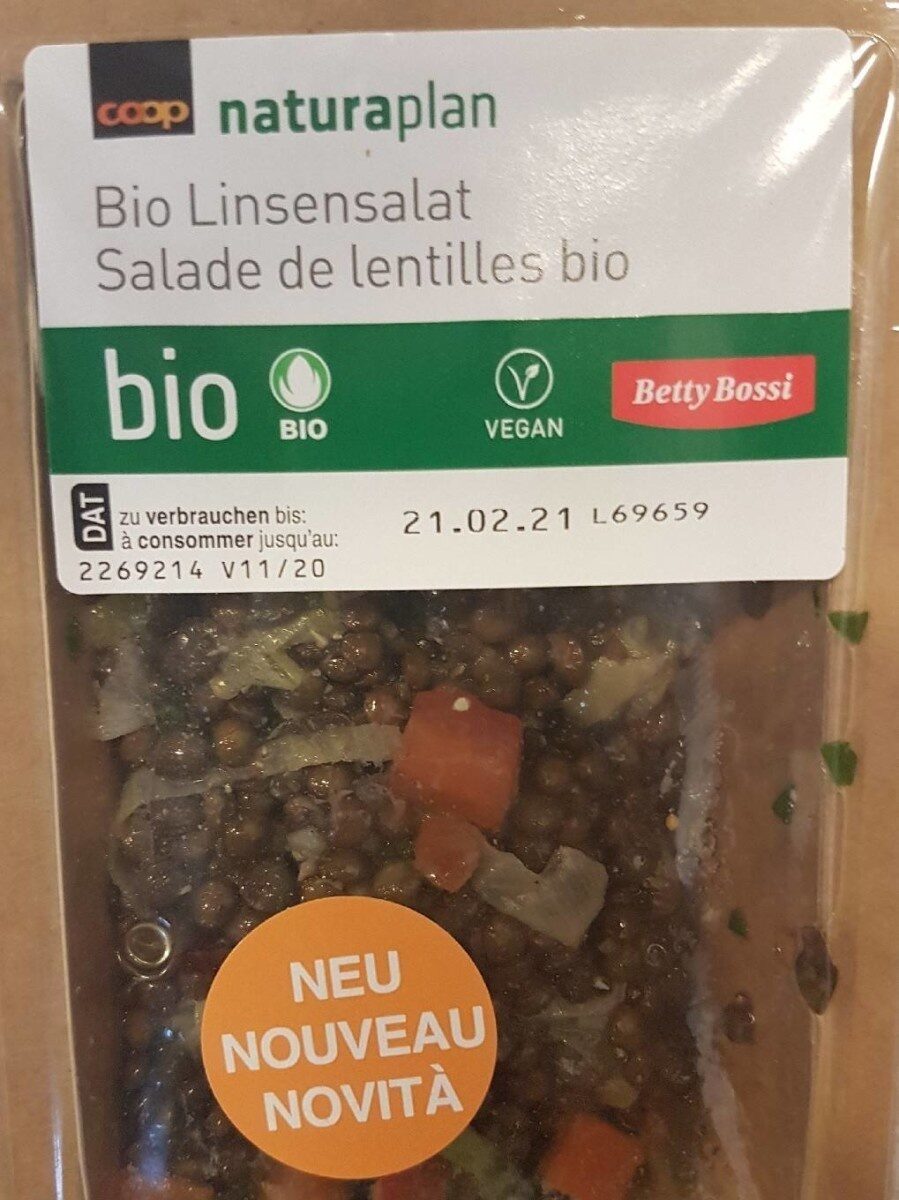


Coop naturaplan Salade de lentilles bio
Analysis updated August 2026 · How Scout scores
At a glance
Summary
This lentil salad contains beneficial ingredients like lentils, tomatoes, leeks, and parsley, which are minimally processed and provide essential nutrients. However, the presence of rapeseed oil, a highly processed seed oil, detracts from its overall healthiness. The product's processing level limits its score, despite the inclusion of organic and nutrient-rich components.
Key ingredients 12
LentilsGood
Lentils are a rich source of plant-based protein and fiber, supporting digestive health and satiety. They are minimally processed and provide essential nutrients like iron and folate. The organic sourcing from Canada and Austria indicates a focus on quality and sustainability.
Benefits
High in protein and fiber, which can aid in digestion and help maintain stable blood sugar levels.
TomatoesGood
Tomatoes are rich in vitamins C and K, potassium, and antioxidants like lycopene. They are minimally processed and contribute to heart health and reduced cancer risk. The inclusion of fresh vegetables enhances the nutritional profile of the salad.
Benefits
Provides antioxidants that may reduce the risk of chronic diseases and support overall health.
LeeksGood
Leeks are a good source of vitamins A, C, and K, as well as dietary fiber. They are minimally processed and can support immune function and digestive health. The presence of leeks adds flavor and nutritional diversity to the salad.
Benefits
Rich in vitamins and fiber, which can support immune health and digestion.
ParsleyGood
Parsley is a fresh herb rich in vitamins A, C, and K, and antioxidants. It is minimally processed and can support immune health and reduce inflammation. Its inclusion adds flavor and nutritional value to the salad.
Benefits
Rich in vitamins and antioxidants, supporting immune health and reducing inflammation.
SpicesGood
Whole-food seasonings, antioxidant-bearing.
Benefits
May provide antioxidants and enhance flavor.
Apple vinegarNeutral
Apple vinegar is used as a natural preservative and flavor enhancer. It is minimally processed and can aid in digestion. However, its nutritional contribution is minimal in small quantities.
Risks
Excessive consumption may lead to enamel erosion or digestive discomfort.
Benefits
May aid in digestion and provide a tangy flavor to dishes.
WaterNeutral
Water is used as a solvent and to maintain moisture in the product. It is essential for hydration but does not contribute additional nutrients. Its presence is necessary for the preparation and texture of the salad.
Benefits
Essential for hydration and maintaining the texture of the salad.
Iodized table saltNeutral
Iodized table salt is used to enhance flavor and provide iodine, an essential nutrient for thyroid function. It is refined and lacks the trace minerals found in unrefined salts. Its use is common in processed foods for flavor and preservation.
Risks
Excessive sodium intake can lead to hypertension and cardiovascular issues.
Benefits
Provides iodine, which is essential for thyroid health.
MustardNeutral
Mustard is used as a flavoring agent and contains small amounts of vitamins and minerals. It is minimally processed but typically consumed in small quantities, limiting its nutritional impact. Its presence enhances the flavor profile of the salad.
Risks
May cause allergic reactions in sensitive individuals.
Benefits
Adds flavor and contains small amounts of beneficial nutrients.
Raw cane sugarNeutral
Raw cane sugar is used as a sweetener and is less processed than refined sugar. It provides quick energy but should be consumed in moderation due to its impact on blood sugar levels. Its use in small amounts is typical for balancing flavors.
Risks
Excessive consumption can lead to weight gain and increased risk of metabolic disorders.
Benefits
Provides quick energy and enhances flavor.
Pregelatinized corn starchNeutral
Pregelatinized corn starch is used as a thickening agent and is highly processed. It provides no significant nutritional benefits but is effective in improving texture. Its use is common in processed foods for consistency.
Benefits
Improves texture and consistency in food products.
Rapeseed oilVery Bad
Rapeseed oil, also known as canola oil, is a seed oil high in omega-6 fatty acids, which may promote inflammation. It is highly processed and often refined, which can reduce its nutritional quality. The use of seed oils is discouraged due to potential health concerns.
Risks
High omega-6 content may promote inflammation when consumed in excess.
Processing
Processed Foods
Get the full breakdown in the Scout appTake Scout shopping
Scan any product to see lab results, healthy alternatives, and your personalized analysis.
Download on theApp Store GET IT ONGoogle Play