


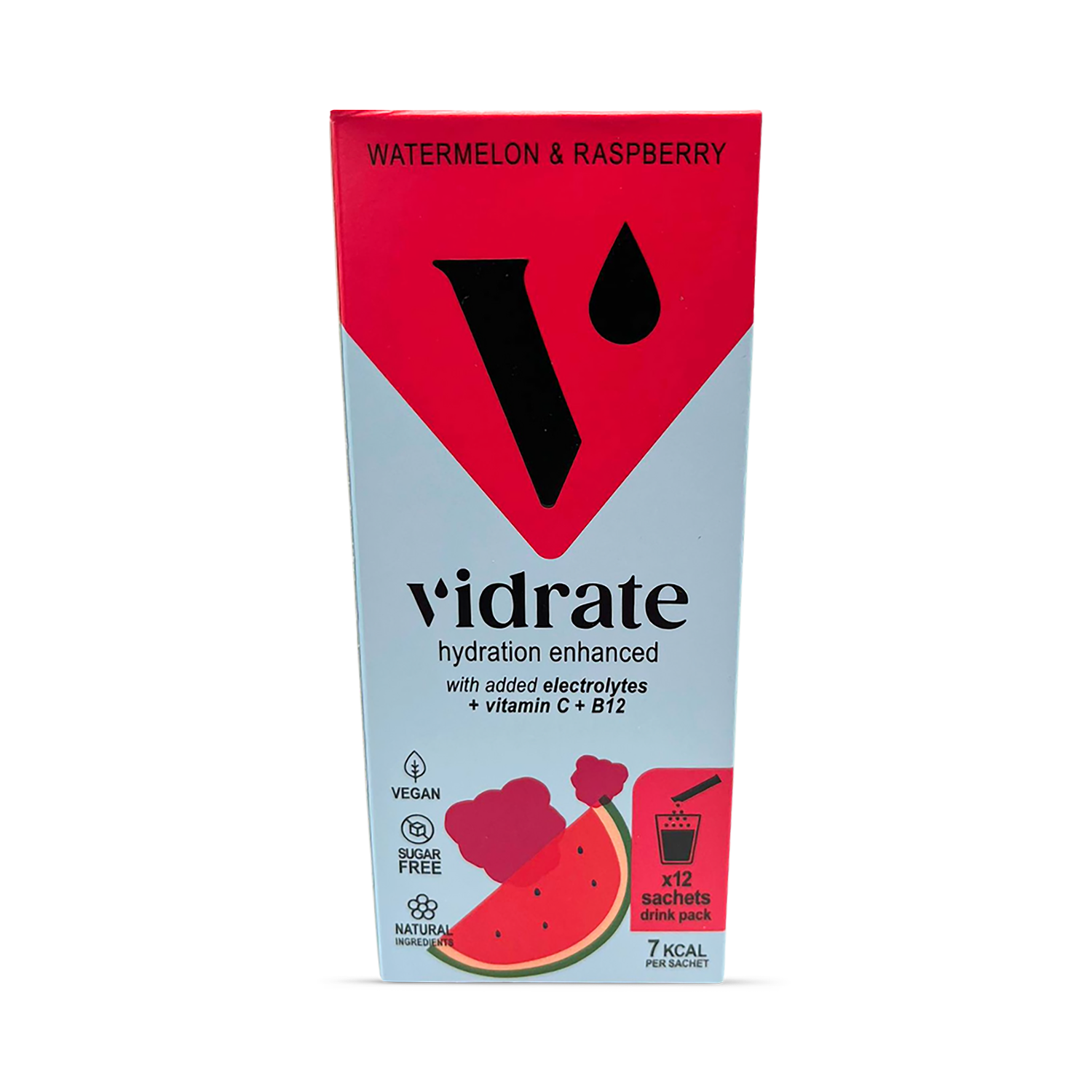

Electrolyte Formula Salty Watermelon
Analysis updated August 2026 · How Scout scores
At a glance
Summary
This electrolyte formula contains beneficial ingredients like sodium, potassium, and magnesium, which are essential for hydration and muscle function. The use of highly absorbable forms of calcium and magnesium is a positive aspect, enhancing bioavailability. However, the presence of 'natural flavors' introduces some uncertainty due to potential undisclosed additives, slightly impacting the overall score.
Key ingredients 12
SodiumGood
Sodium is an essential electrolyte that helps maintain fluid balance and nerve function. It is crucial for muscle contractions and overall hydration. In appropriate amounts, it supports cardiovascular health and exercise performance.
Risks
Excessive sodium intake can lead to high blood pressure and cardiovascular issues.
Benefits
Supports hydration and nerve function, especially important during physical activity.
PotassiumGood
Potassium is a vital mineral that aids in muscle function and heart health. It helps balance sodium levels and supports proper nerve signaling. Adequate potassium intake can reduce the risk of hypertension.
Risks
Excessive potassium can cause hyperkalemia, leading to heart and muscle issues.
Benefits
Promotes heart health and helps regulate fluid balance.
MagnesiumGood
Magnesium is essential for over 300 biochemical reactions in the body, including energy production and muscle function. It supports bone health and helps regulate blood pressure. Magnesium deficiency can lead to muscle cramps and fatigue.
Risks
High doses can cause diarrhea and abdominal cramping.
Benefits
Supports muscle and nerve function, and helps maintain a healthy immune system.
Choline BitartrateGood
Choline is important for liver function, brain development, and muscle movement. It is a precursor to acetylcholine, a neurotransmitter involved in memory and muscle control. Adequate choline intake supports cognitive health.
Risks
Excessive intake may lead to fishy body odor and gastrointestinal distress.
Benefits
Supports brain health and cognitive function.
Ionic Trace MineralsGood
Ionic trace minerals are essential for various enzymatic processes and maintaining electrolyte balance. They support overall health and well-being. These minerals are often lacking in modern diets due to soil depletion.
Benefits
Enhances nutrient absorption and supports metabolic functions.
Sodium CitrateGood
Beneficial ingredient — whole-food or functional value in this product class.
Benefits
Helps maintain product stability and acts as a buffering agent.
Potassium ChlorideGood
Beneficial ingredient — whole-food or functional value in this product class.
Risks
Excessive intake can lead to hyperkalemia, affecting heart and muscle function.
Benefits
Provides potassium, supporting muscle and nerve function.
Calcium Bisglycinate ChelateGood
Calcium bisglycinate chelate is a highly absorbable form of calcium that supports bone health. It is less likely to cause gastrointestinal discomfort compared to other forms of calcium. Adequate calcium intake is crucial for maintaining strong bones and teeth.
Risks
Excessive calcium intake can lead to kidney stones and impaired absorption of other minerals.
Benefits
Supports bone health and is highly bioavailable.
Magnesium Bisglycinate ChelateGood
Magnesium bisglycinate chelate is a highly absorbable form of magnesium that supports muscle and nerve function. It is less likely to cause digestive issues compared to other forms. Magnesium is essential for energy production and bone health.
Risks
High doses can cause diarrhea and abdominal cramping.
Benefits
Highly bioavailable and supports muscle and nerve function.
Pink Himalayan SaltNeutral
Pink Himalayan salt contains trace minerals and is often considered a natural alternative to table salt. It is less processed and may contain more minerals. However, its health benefits over regular salt are minimal.
Risks
Excessive consumption can contribute to high blood pressure.
Benefits
Contains trace minerals that may support overall health.
Citric AcidNeutral
Citric acid is a natural preservative and flavor enhancer commonly used in food products. It is generally recognized as safe and helps maintain product freshness. It also plays a role in the Krebs cycle, a key metabolic pathway.
Risks
Excessive intake may cause dental erosion and gastrointestinal discomfort.
Benefits
Acts as a natural preservative and enhances flavor.
Natural FlavorsBad
Natural flavors are often used to enhance taste but can be a catch-all term for various additives. They lack transparency and may contain undisclosed ingredients. This can be concerning for individuals with allergies or sensitivities.
Risks
Potential allergen risk due to undisclosed ingredients.
Processing
Processed Culinary Ingredients
Get the full breakdown in the Scout appTake Scout shopping
Scan any product to see lab results, healthy alternatives, and your personalized analysis.
Download on theApp Store GET IT ONGoogle Play