



At a glance
Summary
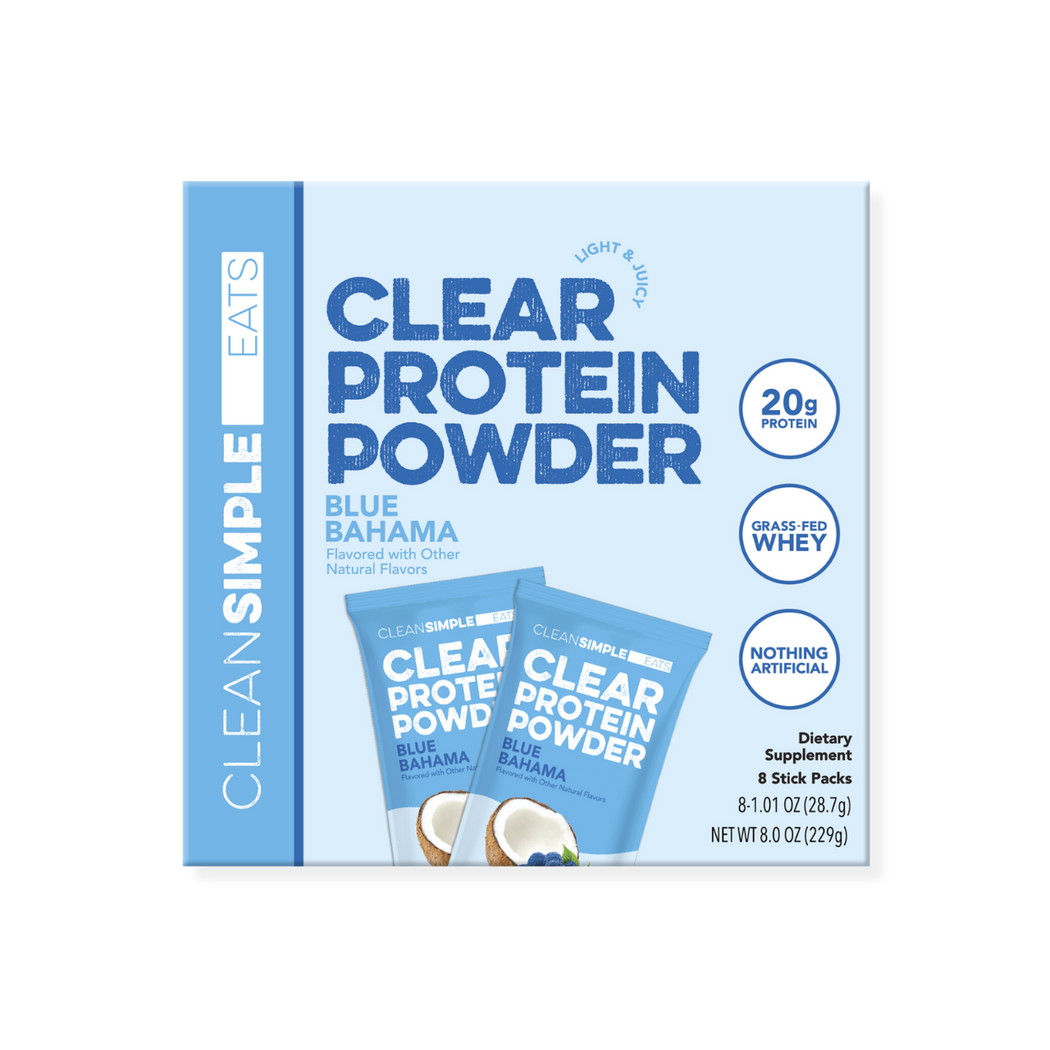
This protein powder contains a high-quality whey protein isolate, which is beneficial for muscle repair and growth. However, the presence of sucralose, an artificial sweetener, and polysorbate 80, an emulsifier, introduces concerns about potential negative health impacts and processing level. The use of natural flavors and multiple additives further detracts from the overall formulation quality, despite the inclusion of natural color from red beet powder.
Key ingredients 9
Whey Protein IsolateGood
Whey protein isolate is a high-quality protein source derived from milk, providing a complete amino acid profile. It is highly bioavailable and supports muscle repair and growth. Compared to other protein sources, it is low in lactose and fat, making it suitable for those with lactose intolerance.
Benefits
Rich in essential amino acids, it supports muscle recovery and growth.
Citric AcidNeutral
Citric acid is a common food additive used as a preservative and flavor enhancer. It is generally recognized as safe and is naturally found in citrus fruits. While it is widely used, excessive consumption can lead to dental erosion.
Risks
Excessive consumption may lead to dental erosion.
Benefits
Acts as a preservative and enhances flavor.
Malic AcidNeutral
Malic acid is used to enhance flavor and is naturally found in fruits like apples. It is generally recognized as safe and contributes to the tartness of foods and beverages. It is often used in combination with other acids to balance flavors.
Benefits
Enhances flavor and provides tartness.
Reb A (Stevia)Neutral
Reb A is a stevia extract used as a natural, zero-calorie sweetener. It is derived from the stevia plant and is generally considered safe. It provides sweetness without impacting blood sugar levels.
Benefits
Provides sweetness without calories or affecting blood sugar levels.
Red Beet PowderNeutral
Red beet powder is used as a natural coloring agent and is derived from beets. It is minimally processed and provides a natural alternative to synthetic dyes. While it adds color, it does not significantly contribute to the nutritional profile.
Benefits
Provides natural color without synthetic dyes.
SiliconeNeutral
Silicone is used as an anti-foaming agent to prevent excessive frothing during processing. It is generally recognized as safe for use in food products. It does not contribute to the nutritional value of the product.
Benefits
Prevents excessive frothing during processing.
Natural FlavorsBad
Natural flavors are a catch-all term for flavoring agents derived from natural sources but can be highly processed. They often lack transparency regarding their specific composition and potential allergens. The use of natural flavors can mask the quality of the underlying ingredients.
Risks
Potential allergens and lack of transparency in ingredient composition.
SucraloseBad
Sucralose is an artificial sweetener that provides sweetness without calories. It is highly processed and may affect gut health and insulin response. While it is approved for use, some studies suggest potential negative health impacts with long-term consumption.
Risks
May affect gut health and insulin response with long-term use.
Benefits
Provides sweetness without adding calories.
Polysorbate 80 and/or Sunflower LecithinBad
Polysorbate 80 is an emulsifier that can cause allergic reactions and digestive issues in sensitive individuals. Sunflower lecithin is a more natural emulsifier but still processed. Both are used to improve texture and mixability in products.
Risks
Polysorbate 80 may cause allergic reactions and digestive issues.
Benefits
Improves texture and mixability of the product.
Processing
Ultra-Processed Foods
Get the full breakdown in the Scout appTake Scout shopping
Scan any product to see lab results, healthy alternatives, and your personalized analysis.
Download on theApp Store GET IT ONGoogle Play