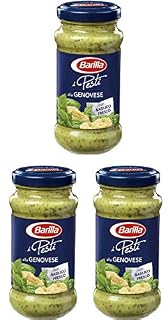
Pesto Alla Genovese

At a glance
Summary
This pesto features high-quality ingredients such as fresh basil and extra virgin olive oil, which are rich in antioxidants and healthy fats. The presence of sugar and a couple of additives slightly detracts from its overall healthiness, but the product remains relatively clean with minimal processing. The use of cashew nut flour and pine nuts further enhances its nutritional profile, contributing to a favorable score within its category.
Key ingredients 10
BasilVery Good
Basil is a fresh herb rich in antioxidants and essential oils that provide anti-inflammatory benefits. It is a natural source of vitamins A, K, and C, as well as minerals like calcium and magnesium. The use of fresh basil enhances the flavor and nutritional profile of the pesto.
Benefits
Rich in antioxidants and essential oils that may support immune function and reduce inflammation.
Extra virgin olive oilVery Good
Extra virgin olive oil is a high-quality monounsaturated fat with anti-inflammatory properties. It contains antioxidants that support heart health and is extracted through cold-pressing, preserving beneficial compounds. This oil is a staple in Mediterranean diets known for its health benefits.
Benefits
Rich in monounsaturated fats that support heart health and provide anti-inflammatory properties. Contains antioxidants like vitamin E and polyphenols that may reduce oxidative stress.
Cashew nut flourGood
Cashew nut flour is a source of healthy fats, protein, and essential minerals like magnesium and zinc. It adds a creamy texture to the pesto and enhances its nutritional value. Cashews are less allergenic compared to other nuts, making them a versatile ingredient.
Risks
May cause allergic reactions in individuals with nut allergies.
Benefits
Provides healthy fats and protein, contributing to a balanced diet. Contains essential minerals that support bone health and immune function.
Pine nutsGood
Pine nuts are a source of healthy fats, protein, and essential nutrients like magnesium and vitamin E. They add a nutty flavor and creamy texture to the pesto. Pine nuts are also rich in antioxidants that support heart health.
Risks
May cause allergic reactions in individuals with nut allergies.
Benefits
Rich in healthy fats and antioxidants, supporting heart health and providing anti-inflammatory benefits.
Ascorbic acidGood
Vitamin C — beneficial even when serving as a preservative.
Benefits
Acts as an antioxidant, helping to preserve the product and prevent spoilage.
Parmigiano Reggiano cheeseNeutral
Parmigiano Reggiano cheese is a hard cheese known for its rich flavor and high calcium content. It is aged for a minimum of 12 months, which enhances its taste and digestibility. While it adds flavor, it is also high in saturated fat and sodium.
Risks
High in saturated fat and sodium, which may be a concern for individuals with cardiovascular issues.
Benefits
Rich in calcium and protein, supporting bone health and muscle function.
SaltNeutral
Salt is used to enhance flavor and preserve the pesto. It is a common seasoning but does not provide significant nutritional benefits. Excessive consumption can lead to health issues such as hypertension.
Risks
High sodium intake can contribute to hypertension and cardiovascular diseases.
Potato flakesNeutral
Potato flakes are used as a thickening agent in the pesto. They are made from dehydrated potatoes and provide a neutral flavor. While they add texture, they do not offer significant nutritional benefits.
Lactic acidNeutral
Lactic acid is used as a pH regulator and preservative in the pesto. It is naturally occurring and generally recognized as safe. It helps maintain the product's freshness and stability.
Benefits
Helps preserve the product and maintain its quality over time.
SugarBad
Sugar is added to enhance the flavor profile of the pesto. It is a refined carbohydrate that can contribute to increased calorie intake without providing essential nutrients. Excessive consumption of sugar is linked to various health issues.
Risks
Excessive sugar intake can lead to obesity, diabetes, and other metabolic disorders.
Processing
Processed Foods
Get the full breakdown in the Scout appTake Scout shopping
Scan any product to see lab results, healthy alternatives, and your personalized analysis.
Are you De Cecco? Fix an error Get the badge Get tested