


At a glance
Summary
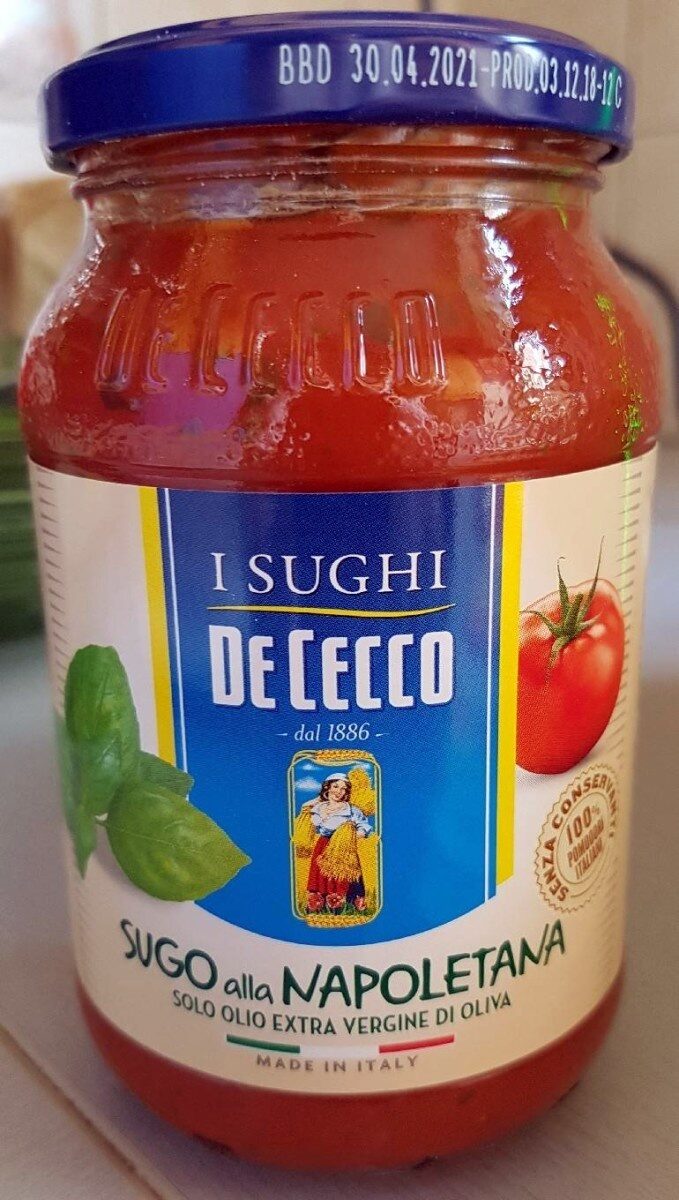
This product features a high percentage of tomato pulp, which is rich in vitamins and antioxidants, and uses extra virgin olive oil, a healthy fat known for its anti-inflammatory properties. The inclusion of refined sugar, although minimal, slightly detracts from its overall healthiness. Despite being processed, the ingredient list is relatively clean, with a focus on whole food components and minimal additives.
Key ingredients 7
Extra virgin olive oilVery Good
High-quality monounsaturated fat with anti-inflammatory properties. Contains antioxidants that support heart health. Cold-pressed extraction preserves beneficial compounds.
Benefits
Rich in monounsaturated fats that support heart health and provide anti-inflammatory properties. Contains antioxidants like vitamin E and polyphenols that may reduce oxidative stress.
Tomato pulpGood
Tomato pulp is a rich source of vitamins and antioxidants, particularly lycopene. It is minimally processed, retaining most of its natural nutrients. The high percentage in the product suggests a focus on whole food ingredients.
Benefits
Rich in antioxidants like lycopene, which may reduce the risk of chronic diseases. Provides vitamins A and C, supporting immune function and skin health.
BasilGood
Basil is an herb known for its aromatic properties and potential health benefits. It contains essential oils and antioxidants that may support health. The use of fresh or dried basil adds flavor and potential health benefits.
Benefits
Contains antioxidants and essential oils that may support health and enhance flavor.
OnionNeutral
Onions are a common culinary ingredient that adds flavor and aroma. They contain some vitamins and antioxidants but are used in small quantities. The processing involved in this product does not significantly alter its nutritional profile.
Benefits
Contains antioxidants and vitamins that may support immune health, though in small amounts.
Rice starchNeutral
Rice starch is used as a thickening agent and is generally considered neutral in terms of health impact. It is a refined carbohydrate with minimal nutritional value. The processing of rice starch involves removing most of the fiber and nutrients.
Benefits
Provides texture and consistency to the product without significant nutritional benefits.
SaltNeutral
Salt is used for seasoning and preservation. It is a source of sodium, which is essential for various bodily functions. However, excessive consumption can lead to health issues such as hypertension.
Risks
Excessive sodium intake can lead to hypertension and cardiovascular issues.
Benefits
Essential for maintaining fluid balance and nerve function in the body.
SugarBad
Refined sugar is a source of empty calories and can contribute to various health issues when consumed in excess. It is highly processed and lacks nutritional value. Its inclusion in the product is primarily for flavor enhancement.
Risks
Excessive consumption can lead to obesity, diabetes, and other metabolic disorders.
Benefits
Provides quick energy but lacks significant nutritional benefits.
Processing
Processed Foods
Get the full breakdown in the Scout appTake Scout shopping
Scan any product to see lab results, healthy alternatives, and your personalized analysis.
Download on theApp Store GET IT ONGoogle Play