

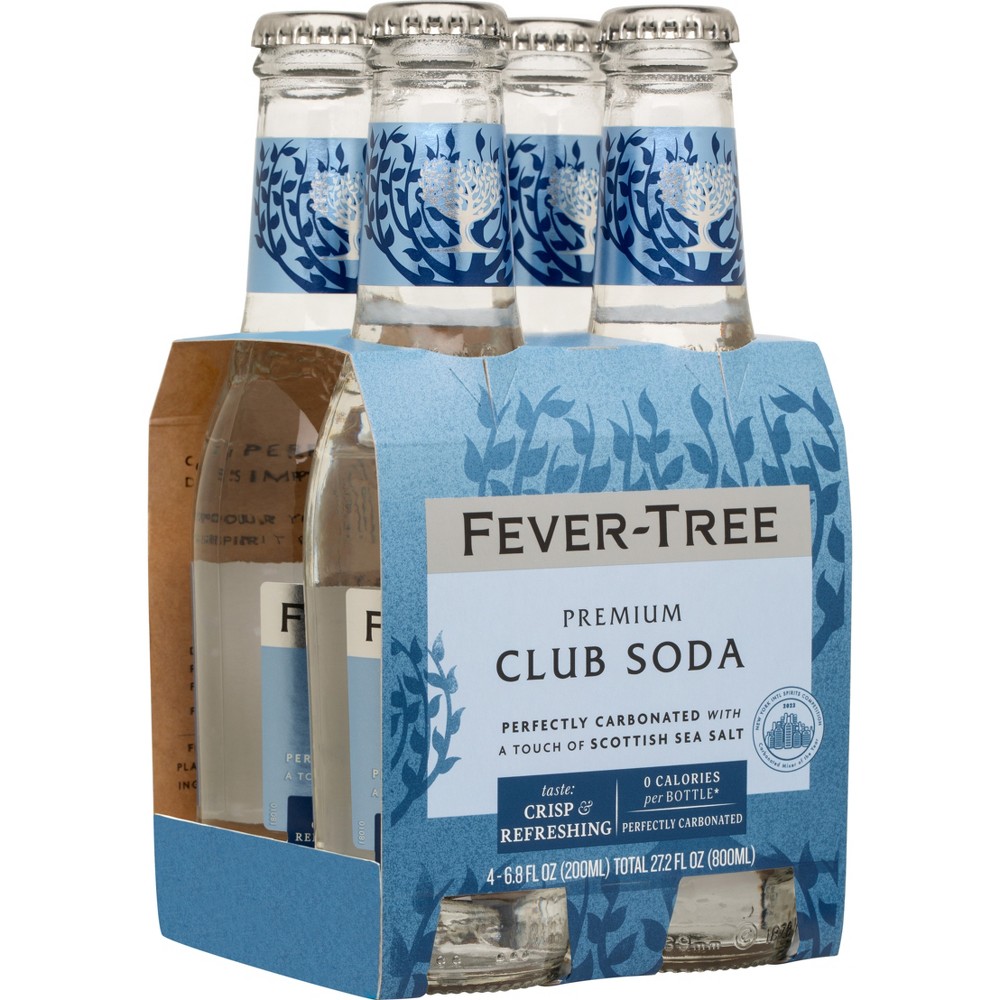


At a glance
Summary
This beverage contains added sugar, which can contribute to metabolic issues and increase the risk of obesity and heart disease when consumed in large amounts. Additionally, it includes caramel color (E150d), an artificial coloring agent associated with potential health concerns. Despite being minimally processed, these ingredients impact its overall healthiness.
Key ingredients 6
WaterNeutral
Water is a neutral ingredient that serves as the base for the beverage. It is essential for hydration but does not provide additional nutritional benefits. The quality of water can vary based on its source and treatment processes.
See more about Water →Acidity Regulator Sodium CitrateNeutral
Sodium citrate is used as an acidity regulator to maintain the beverage's pH balance. It is generally recognized as safe and does not significantly impact health. Its role is primarily functional, with no direct nutritional benefits.
Chinotto ExtractNeutral
Chinotto extract is derived from the chinotto fruit and is used for flavoring. It provides a unique taste but does not significantly contribute to the nutritional profile of the beverage. The extract is typically used in small amounts.
Carbon DioxideNeutral
Carbon dioxide is used to carbonate the beverage, providing its fizzy characteristic. It is inert and does not affect the nutritional value of the drink. The carbonation process is purely for sensory enhancement.
See more about Carbon Dioxide →SugarBad
Sugar is classified as bad due to its contribution to excessive calorie intake and potential to cause metabolic issues. High consumption of added sugars is linked to obesity, type 2 diabetes, and heart disease. In beverages, sugar is often added in large amounts, increasing these risks.
Risks
Excessive sugar intake can lead to weight gain, insulin resistance, and increased risk of chronic diseases.
Color E150dBad
Color E150d, also known as caramel color, is an artificial coloring agent. It is often used to give beverages a brown hue but has been associated with potential health concerns. Some studies suggest it may contain contaminants that could pose health risks.
Risks
Potential contaminants in caramel color may pose health risks, including carcinogenic effects.
Processing
Unprocessed or Minimally Processed Foods
Get the full breakdown in the Scout appTake Scout shopping
Scan any product to see lab results, healthy alternatives, and your personalized analysis.
Download on theApp Store GET IT ONGoogle Play