

At a glance
Summary
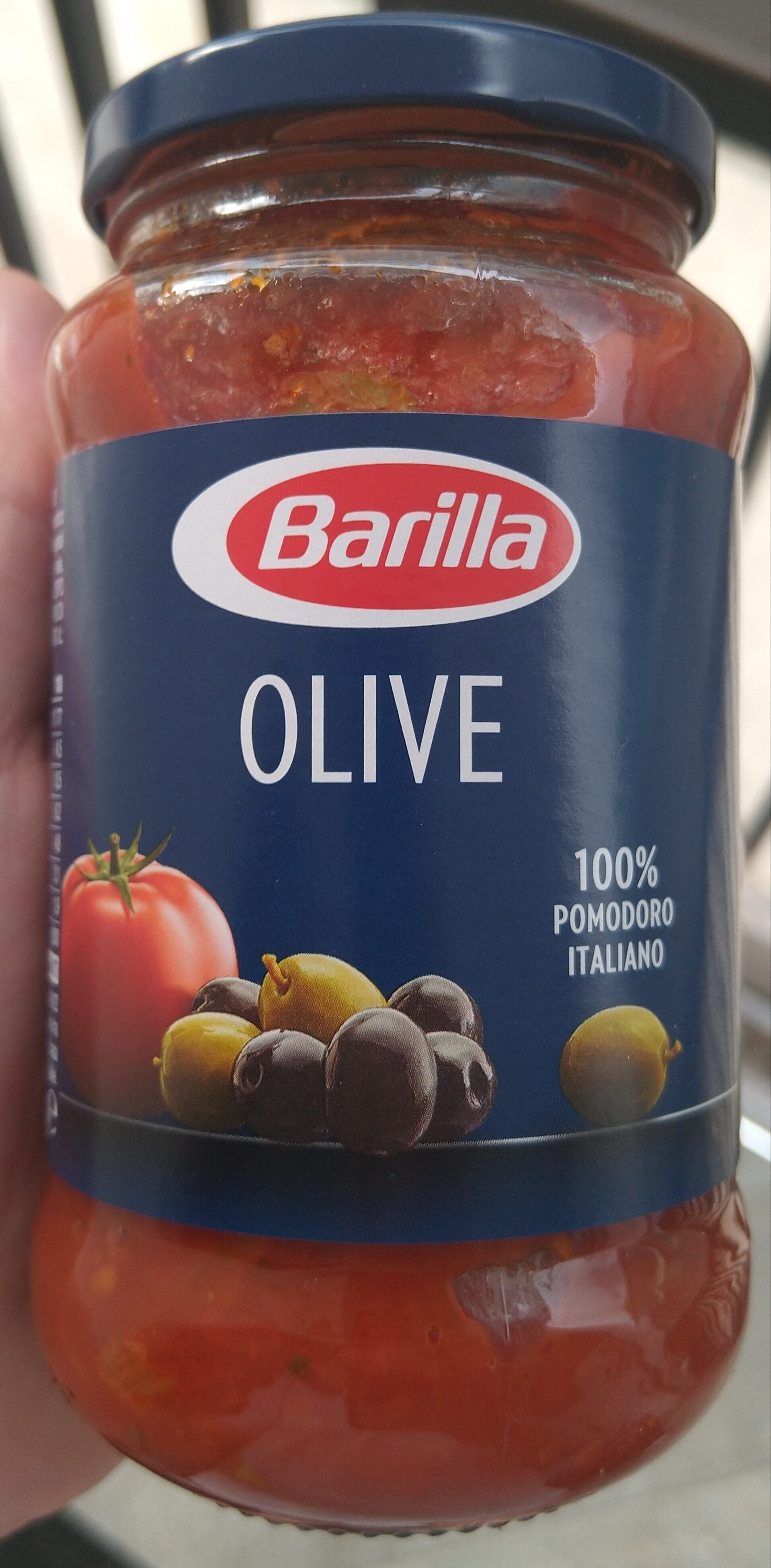
This product contains beneficial ingredients like tomato pulp, olives, and herbs, which contribute vitamins and antioxidants. However, the presence of sunflower oil, a seed oil high in omega-6 fatty acids, and added sugar detracts from its healthfulness. The use of natural flavoring, which lacks transparency, and the processed nature of the product further impact its overall score.
Key ingredients 13
Tomato pulpGood
Tomato pulp is a rich source of vitamins and antioxidants, particularly lycopene. It is minimally processed, retaining most of its nutritional value. The tomatoes are sourced from Italy, indicating a high-quality ingredient.
Benefits
Rich in antioxidants like lycopene, which may reduce the risk of chronic diseases. Provides essential vitamins such as vitamin C and potassium.
Green olivesGood
Green olives are a good source of healthy fats and antioxidants. They are typically brined, which can increase sodium content. Their inclusion adds beneficial monounsaturated fats to the product.
Risks
High sodium content due to brining process may be a concern for individuals monitoring salt intake.
Benefits
Rich in monounsaturated fats that support heart health. Contains antioxidants that may reduce inflammation.
Black olivesGood
Black olives provide healthy fats and are rich in antioxidants. They are often cured or brined, which can increase sodium levels. Their presence enhances the nutritional profile with beneficial fats.
Risks
High sodium content due to curing process may be a concern for individuals monitoring salt intake.
Benefits
Contains monounsaturated fats and antioxidants that support cardiovascular health.
OnionGood
Onions are a natural source of vitamins, minerals, and antioxidants. They are minimally processed and add flavor and nutritional value. Onions contain compounds that may support immune function.
Benefits
Rich in antioxidants and sulfur compounds that may support heart health and immune function.
ParsleyGood
Parsley is a fresh herb rich in vitamins and antioxidants. It is minimally processed and adds flavor and nutritional value. Parsley contains vitamin K, which is important for bone health.
Benefits
Rich in vitamins A, C, and K, and antioxidants that support overall health.
GarlicGood
Garlic is known for its health-promoting properties, including antimicrobial and anti-inflammatory effects. It is minimally processed and adds flavor and nutritional value. Garlic contains allicin, which may support cardiovascular health.
Benefits
Contains compounds that may reduce blood pressure and cholesterol levels.
OreganoGood
Oregano is a herb rich in antioxidants and has antimicrobial properties. It is minimally processed and enhances flavor and nutritional value. Oregano contains compounds that may support immune health.
Benefits
Rich in antioxidants and may support immune function and reduce inflammation.
Tomato concentrateNeutral
Tomato concentrate is a processed form of tomatoes, used to enhance flavor and texture. While it retains some nutrients, the processing can reduce vitamin content. It is a common ingredient in sauces for its concentrated flavor.
Benefits
Provides a concentrated source of tomato flavor and some antioxidants.
CapersNeutral
Capers are often used as a flavor enhancer and are rich in antioxidants. They are typically preserved in brine, which increases sodium content. Their contribution is mainly flavor rather than nutritional value.
Risks
High sodium content due to preservation process may be a concern for individuals monitoring salt intake.
Benefits
Contains antioxidants that may provide some health benefits.
SaltNeutral
Salt is used as a preservative and flavor enhancer. While necessary in small amounts, excessive intake can lead to health issues. It is a common ingredient in processed foods.
Risks
High sodium intake is linked to hypertension and cardiovascular diseases.
Benefits
Essential for maintaining fluid balance and nerve function in the body.
SugarBad
Sugar is a refined carbohydrate that can contribute to increased blood sugar levels and caloric intake. It is often added to enhance flavor but provides no essential nutrients. Excessive consumption is linked to various health issues.
Risks
Excessive sugar intake is associated with obesity, diabetes, and other metabolic disorders.
Natural flavorBad
Natural flavor is a vague term that can encompass a wide range of substances. It is often used to enhance taste but lacks transparency about its composition. The lack of specificity can be concerning for those with allergies or sensitivities.
Risks
Potential allergen risk due to unspecified ingredients.
Sunflower oilVery Bad
Sunflower oil is a seed oil high in omega-6 fatty acids, which can promote inflammation if consumed in excess. It is often refined, which can strip beneficial nutrients. The high omega-6 content is a concern for balanced dietary fat intake.
Risks
High omega-6 content may promote inflammation when consumed in excess.
Processing
Processed Foods
Get the full breakdown in the Scout appTake Scout shopping
Scan any product to see lab results, healthy alternatives, and your personalized analysis.
Download on theApp Store GET IT ONGoogle Play