


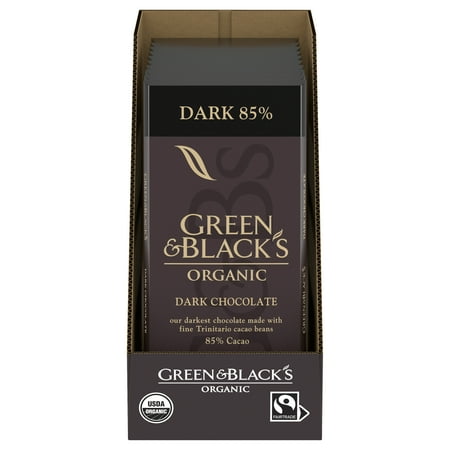


Dark Chocolate Truffles
Analysis updated October 2026 · How Scout scores
At a glance
Summary
The dark chocolate truffles contain beneficial ingredients like dark chocolate and coconut oil, which provide antioxidants and healthy fats. However, the presence of soy lecithin, a processed emulsifier, and the high sugar content contribute to a moderate processing level. While the ingredients are relatively clean, the product's processing level limits its score.
Key ingredients 5
Dark chocolateGood
Dark chocolate is rich in antioxidants and can support heart health. It contains flavonoids which may improve blood flow and lower blood pressure. The presence of cocoa butter provides healthy fats.
Risks
Excessive consumption may lead to high sugar intake and weight gain.
Benefits
Contains antioxidants that may reduce inflammation and improve heart health. Provides a source of healthy fats from cocoa butter.
Coconut oilGood
Coconut oil is a source of medium-chain triglycerides (MCTs) which can be quickly metabolized for energy. It may support weight management and improve cholesterol levels. The oil is minimally processed and retains beneficial compounds.
Risks
High in saturated fats, which may raise cholesterol levels if consumed in excess.
Benefits
Provides quick energy due to MCTs and may support metabolic health. Contains lauric acid, which has antimicrobial properties.
Sea saltGood
Sea salt is a natural source of sodium and trace minerals. It is less processed than table salt and retains beneficial minerals. The use of sea salt can enhance flavor without excessive sodium intake.
Risks
Excessive sodium intake can lead to high blood pressure and cardiovascular issues.
Benefits
Provides essential minerals and enhances flavor naturally. Contains trace minerals that may support overall health.
Vanilla flavorNeutral
Vanilla flavor is used to enhance the taste of products. It is often synthetically produced and lacks the complexity of natural vanilla extract. The flavoring is generally considered safe in small amounts.
See more about Vanilla flavor →Soy lecithinBad
Soy lecithin is used as an emulsifier in processed foods. It is derived from soybeans and may contain residues of pesticides or GMOs. The processing of soy lecithin can strip away beneficial nutrients.
Risks
May cause allergic reactions in individuals sensitive to soy. Potential GMO and pesticide exposure.
Processing
Processed Foods
Get the full breakdown in the Scout appTake Scout shopping
Scan any product to see lab results, healthy alternatives, and your personalized analysis.
Download on theApp Store GET IT ONGoogle Play