
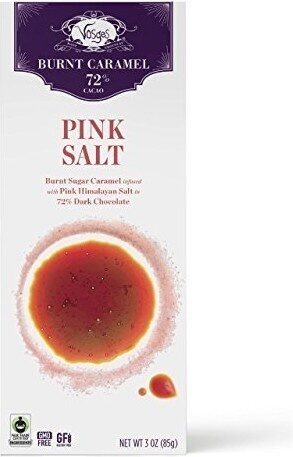
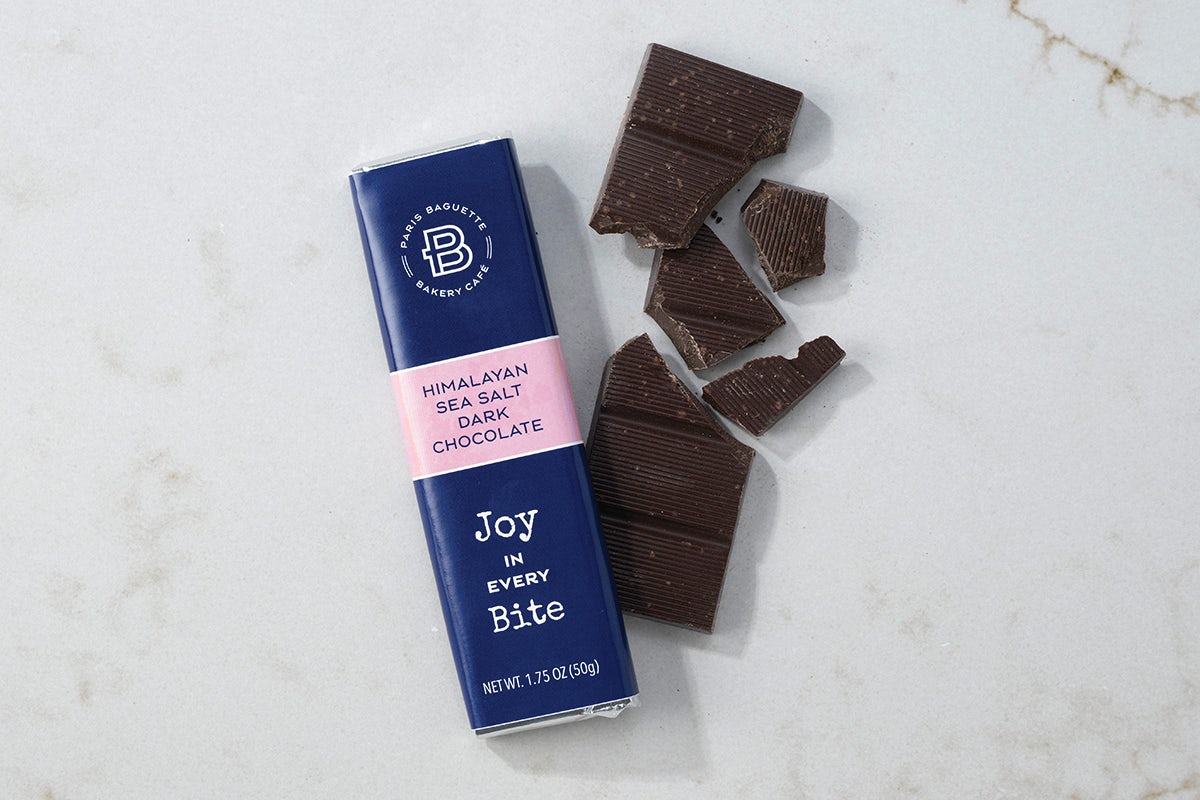


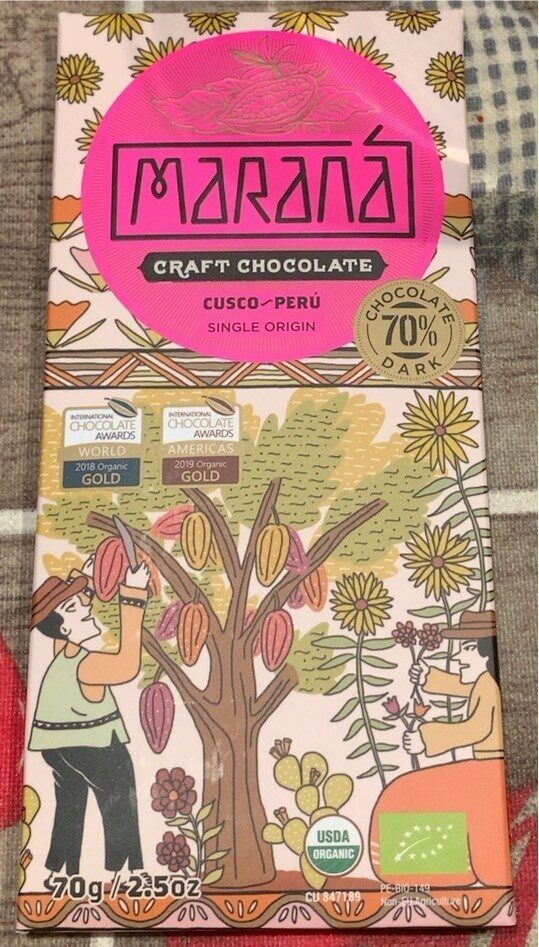
Pink himalayan salt caramel bar
Analysis updated October 2026 · How Scout scores
At a glance
Summary
This chocolate bar contains high-quality ingredients like dark chocolate and sea salt, which are minimally processed and provide beneficial nutrients. However, the presence of soy lecithin as an emulsifier introduces a moderate level of processing, and the product contains a significant amount of added sugars, which can impact health negatively when consumed in excess. Overall, the product maintains a relatively clean label with a focus on quality ingredients, but the processing and sugar content slightly reduce its health score.
Key ingredients 5
Sea saltGood
Sea salt is a minimally processed source of sodium and trace minerals. It enhances flavor and provides essential electrolytes. The use of sea salt instead of refined salt is a positive aspect.
Risks
Excessive consumption of salt can lead to increased blood pressure and related health issues.
Benefits
Provides essential minerals and enhances the flavor profile of foods.
Dark chocolateNeutral
Dark chocolate is a common ingredient in confectionery, providing a rich flavor profile. It contains cocoa mass, sugar, and cocoa butter, which are standard components. The presence of soy lecithin as an emulsifier is typical in chocolate production.
Risks
Contains sugar and soy lecithin, which may be concerns for those with dietary restrictions or allergies.
Benefits
Dark chocolate can provide antioxidants and a small amount of fiber, contributing to its potential health benefits.
WaterNeutral
Water is a neutral ingredient used in many food products. It acts as a solvent and helps in the consistency of the product. It does not contribute any significant nutritional value.
See more about Water →CaramelBad
Processed additive flagged under Scout's ingredient doctrine.
Risks
High sugar content in caramel can contribute to increased calorie intake and potential blood sugar spikes.
Benefits
The use of organic ingredients may reduce exposure to pesticides and other chemicals.
Soy lecithinBad
Soy lecithin is used as an emulsifier in many processed foods. It is derived from soybeans and can be a concern for those with soy allergies. The processing of soy lecithin involves chemical extraction, which may be undesirable for some consumers.
Risks
Potential allergen for individuals sensitive to soy and may contain trace amounts of solvents used in processing.
Benefits
Helps maintain product consistency and texture by acting as an emulsifier.
Processing
Processed Culinary Ingredients
Get the full breakdown in the Scout appTake Scout shopping
Scan any product to see lab results, healthy alternatives, and your personalized analysis.
Download on theApp Store GET IT ONGoogle Play