
RUBY GRAPEFRUIT

TrueFruit
60 Fair
$57.99 · 7 oz
View on Amazon
Verified Amazon match

Summary

This product contains beneficial ingredients like red grapefruit and ascorbic acid, which provide vitamins and antioxidants. However, it is processed and includes refined cane sugar and synthetic preservatives such as potassium sorbate and sodium benzoate, which can pose health concerns. The presence of these additives and the level of processing limit its overall healthiness despite some nutritional benefits.

At a glance

Beneficial ingredients 2
Harmful ingredients 3
Owned by Mars, Incorporated
Category Fruits

Key ingredients 7

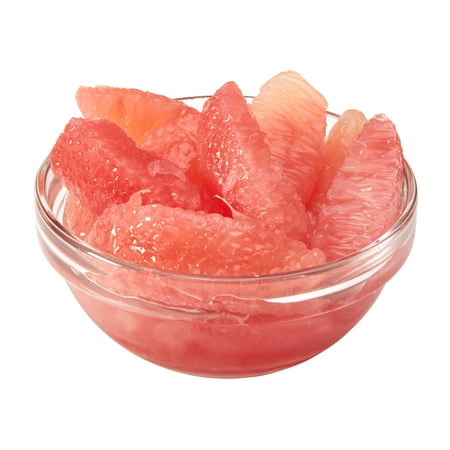
Red grapefruit
Good

Red grapefruit is a natural fruit rich in vitamins and antioxidants. It provides vitamin C and other nutrients that support immune function and overall health. The fruit is minimally processed, retaining most of its natural benefits.

Benefits

Rich in vitamin C and antioxidants, which support immune health and may reduce inflammation.

Water
Neutral

Water is used as a solvent and carrier in many food products. It is essential for hydration and does not contribute calories or nutrients. In this product, it helps maintain the desired consistency and texture.

Benefits

Essential for hydration and maintaining the consistency of the product.

See more about Water →
Cane sugar
Bad

Cane sugar is a refined sugar that contributes to the sweetness of the product. Excessive consumption of refined sugars can lead to health issues such as obesity and diabetes. It is processed to remove impurities, resulting in a high-calorie ingredient with minimal nutritional value.

Risks

High intake of refined sugars can increase the risk of obesity, type 2 diabetes, and dental cavities.

Benefits

Provides quick energy but lacks significant nutritional benefits.

See more about Cane sugar →
Citric acid
Neutral

Citric acid is a natural acid found in citrus fruits, used as a preservative and flavor enhancer. It helps maintain the acidity and freshness of the product. It is generally recognized as safe when used in food products.

Benefits

Helps preserve the product and enhance its flavor.

See more about Citric acid →
Potassium sorbate
Bad

Potassium sorbate is a preservative used to inhibit mold and yeast growth. It is synthetically produced and can cause allergic reactions in sensitive individuals. While effective at preserving food, it is a synthetic additive with no nutritional benefits.

Risks

May cause allergic reactions or skin irritation in sensitive individuals.

Benefits

Extends shelf life by preventing mold and yeast growth.

See more about Potassium sorbate →
Sodium benzoate
Bad

Sodium benzoate is a preservative that prevents microbial growth in acidic foods. It can form benzene, a carcinogen, when combined with vitamin C under certain conditions. Its use is controversial due to potential health risks associated with benzene formation.

Risks

Potential formation of benzene, a carcinogen, when combined with vitamin C.

Benefits

Prevents microbial growth, extending the product's shelf life.

See more about Sodium benzoate →
Ascorbic acid
Good

Ascorbic acid, also known as vitamin C, is an essential nutrient and antioxidant. It supports immune function and helps protect cells from oxidative damage. In this product, it may also act as a preservative by preventing oxidation.

Benefits

Supports immune health and acts as an antioxidant, protecting cells from damage.

See more about Ascorbic acid →

Processing

Group 3 · Processed

Processed Foods

Get the full breakdown in the Scout app

Scan any product to see lab results, healthy alternatives, and your personalized analysis.

Download on theApp Store