
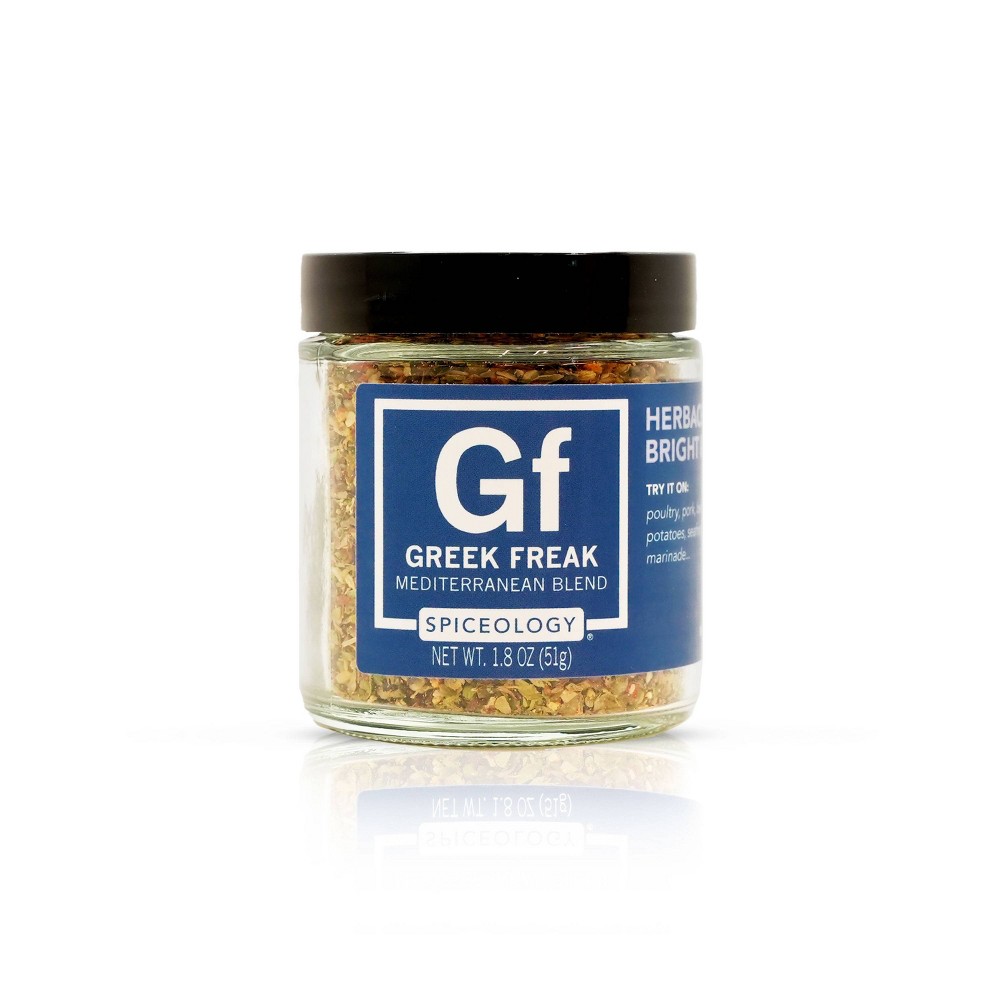

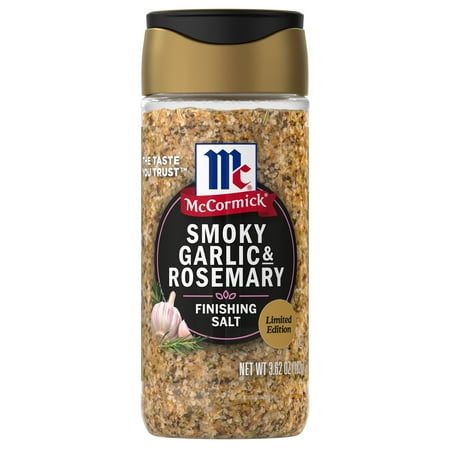


Spiceology Greek Freak Mediterranean Blend - 1.8oz: SQF Certified, Garlic & Rosemary
Analysis updated August 2026 · How Scout scores
At a glance
Summary
This spice blend contains a variety of beneficial ingredients such as garlic, onion, and spices, which are known for their health-promoting properties. However, the inclusion of sunflower oil, a seed oil high in omega-6 fatty acids, is a concern due to its potential to promote inflammation. The product is moderately processed, which limits its score despite the presence of mostly natural ingredients.
Key ingredients 9
SpicesGood
Spices are rich in antioxidants and can enhance flavor without added calories. They often contain beneficial compounds that support health, such as anti-inflammatory properties. The specific blend can vary, but generally, spices are considered beneficial.
Benefits
Spices can provide antioxidants and anti-inflammatory benefits, contributing to overall health.
Sea saltGood
Sea salt is a minimally processed source of sodium and trace minerals. It is often preferred over refined table salt due to its mineral content. It enhances flavor and can be part of a balanced diet.
Risks
Excessive sodium intake can lead to high blood pressure and other cardiovascular issues.
Benefits
Provides essential sodium and trace minerals, supporting electrolyte balance and flavor enhancement.
GarlicGood
Garlic is known for its health-promoting properties, including cardiovascular benefits and immune support. It contains allicin, which has antimicrobial and antioxidant effects. Fresh or dried, garlic is a valuable addition to a healthy diet.
Benefits
Supports heart health and immune function, and provides antioxidant benefits.
OnionGood
Onions are a good source of vitamins, minerals, and antioxidants. They contain quercetin, which has anti-inflammatory properties. Onions can enhance flavor and provide nutritional benefits.
Benefits
Rich in antioxidants and supports immune health, with potential anti-inflammatory effects.
Orange peelGood
Orange peel is rich in vitamin C and other antioxidants. It can add a citrus flavor and provide health benefits. The peel contains compounds that may support immune health and reduce inflammation.
Benefits
Provides vitamin C and antioxidants, supporting immune health and adding flavor.
Dehydrated tomatoesGood
Dehydrated tomatoes are a concentrated source of vitamins, minerals, and antioxidants like lycopene. They retain much of the nutritional value of fresh tomatoes. Lycopene is known for its potential to reduce the risk of certain diseases.
Benefits
Rich in lycopene and other antioxidants, supporting heart health and reducing inflammation.
Crushed red pepperGood
Crushed red pepper adds heat and flavor, and contains capsaicin, which has anti-inflammatory and metabolism-boosting properties. It is a low-calorie way to enhance dishes. Capsaicin may also support pain relief and weight management.
Risks
May cause digestive discomfort in sensitive individuals if consumed in large amounts.
Benefits
Contains capsaicin, which can boost metabolism and provide anti-inflammatory benefits.
Yeast extractBad
Concentrated glutamate source — MSG-adjacent flavor enhancer.
Risks
May contain naturally occurring glutamates, which some individuals are sensitive to.
Benefits
Provides umami flavor and is a source of B vitamins, though not in significant amounts.
Sunflower oilVery Bad
Sunflower oil is a seed oil high in omega-6 fatty acids, which can promote inflammation when consumed in excess. It is often highly processed and lacks the nutritional benefits of healthier oils. The high omega-6 content can disrupt the balance of fatty acids in the diet.
Risks
High omega-6 content may promote inflammation and contribute to an imbalance in dietary fatty acids.
Processing
Processed Foods
Get the full breakdown in the Scout appTake Scout shopping
Scan any product to see lab results, healthy alternatives, and your personalized analysis.
Download on theApp Store GET IT ONGoogle Play