


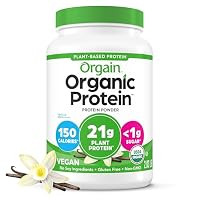

Orgain 38g protein shake
Analysis updated August 2026 · How Scout scores
At a glance
Summary
The Orgain 38g protein shake features a high-quality dairy protein blend, which is beneficial for muscle repair and growth. However, it includes several processed additives such as sunflower lecithin and natural flavors, which slightly detract from its overall health profile. The use of natural non-caloric sweeteners like monk fruit and stevia is a positive aspect, but the presence of multiple additives and the level of processing prevent it from achieving a higher score.
Key ingredients 9
MILK Protein IsolateGood
Part of DAIRY PROTEIN BLEND. This dairy protein blend provides high-quality protein but is considered less ideal due to its highly processed nature and potential for allergenicity.
See more about MILK Protein Isolate →MILK Protein ConcentrateGood
Part of DAIRY PROTEIN BLEND. This dairy protein blend provides high-quality protein but is considered less ideal due to its highly processed nature and potential for allergenicity.
See more about MILK Protein Concentrate →CONTAINS LESS THAN 2% OF ORGANIC ALKALIZED COCOAGood
Organic alkalized cocoa adds flavor and antioxidants, making it a beneficial natural ingredient in moderation.
SEA SALTGood
Sea salt provides essential minerals and enhances flavor, making it a beneficial natural seasoning.
See more about SEA SALT →MONK FRUIT EXTRACTGood
Monk fruit extract is a natural sweetener that adds sweetness without calories, supporting healthier sugar alternatives.
See more about MONK FRUIT EXTRACT →FILTERED WATERNeutral
Filtered water is a basic, clean ingredient used as a base for the shake, providing hydration without added calories or sugars.
See more about FILTERED WATER →SUNFLOWER LECITHINNeutral
Sunflower lecithin is used as an emulsifier to improve texture, generally considered safe and neutral in health impact.
See more about SUNFLOWER LECITHIN →REB M (STEVIA EXTRACT)Neutral
Stevia extract is a natural sweetener that provides sweetness without affecting blood sugar levels, generally considered safe.
ORGANIC HIGH OLEIC SUNFLOWER OILVery Bad
This oil is highly processed and contains a high amount of omega-6 fatty acids, which can promote inflammation if consumed excessively.
See more about ORGANIC HIGH OLEIC SUNFLOWER OIL →Processing
Ultra-Processed Foods
Get the full breakdown in the Scout appTake Scout shopping
Scan any product to see lab results, healthy alternatives, and your personalized analysis.
Download on theApp Store GET IT ONGoogle PlayAmazon pricing & content
Amazon price as of . Product prices and availability are accurate as of the date/time indicated and are subject to change. Any price and availability information displayed on Amazon.com at the time of purchase will apply to the purchase of this product.
CERTAIN CONTENT THAT APPEARS ON THIS SITE COMES FROM AMAZON. THIS CONTENT IS PROVIDED “AS IS” AND IS SUBJECT TO CHANGE OR REMOVAL AT ANY TIME.