
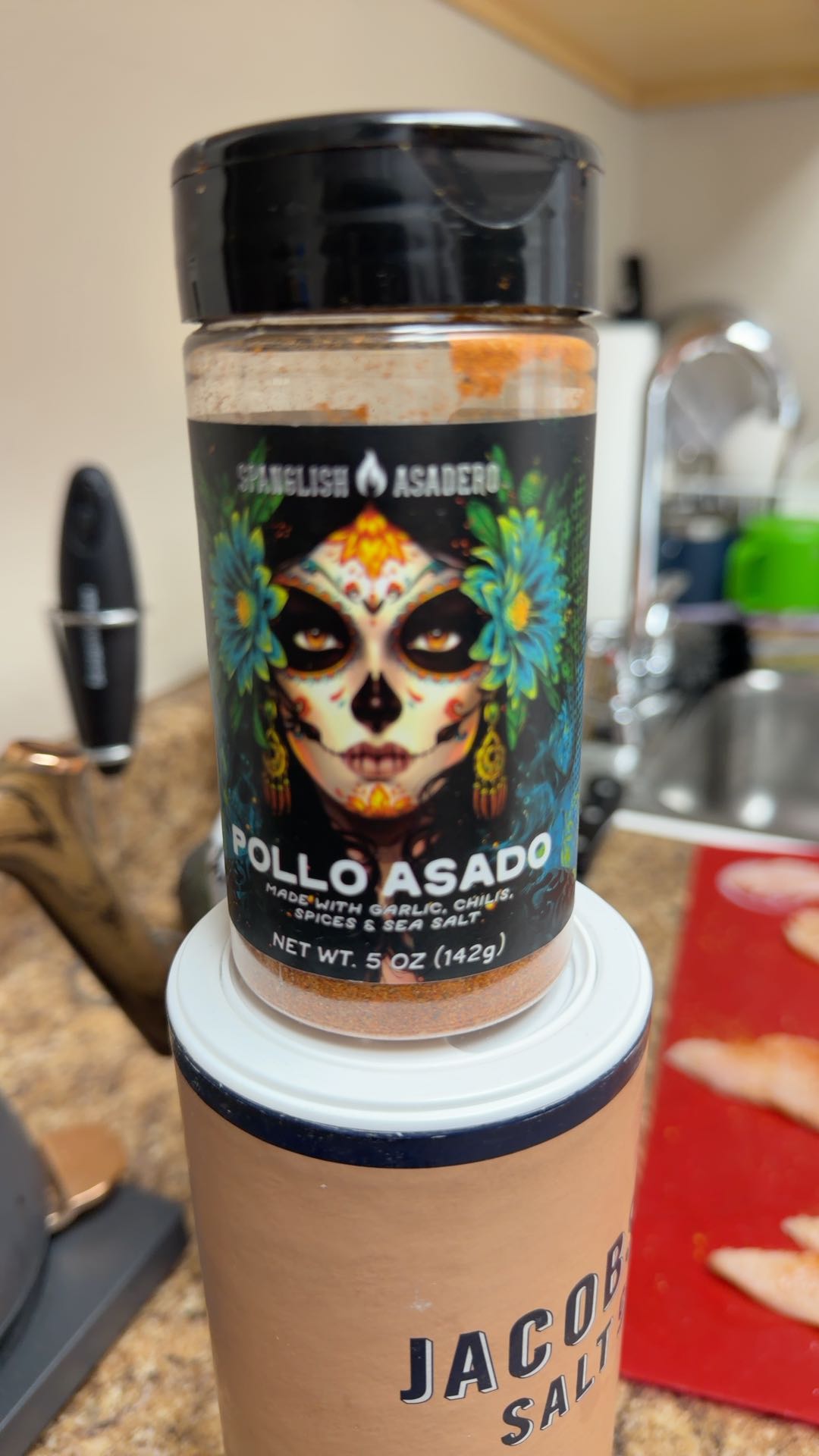


Spanglish Asadero Birria Seasoning
Analysis updated June 2026 · How Scout scores
At a glance
Summary
This seasoning blend contains beneficial ingredients like spices, chili flakes, and dehydrated garlic, which contribute flavor and potential health benefits. However, the presence of sugar and natural flavor, which can lack transparency, detracts from its overall healthiness. The product is moderately processed, which limits its score despite the inclusion of some high-quality ingredients.
Key ingredients 11
Sea saltGood
Unrefined sea salt — a minimally processed, natural source of sodium and essential trace minerals, and a legitimate whole-food seasoning. Treated as a positive ingredient.
Risks
High sodium intake can increase the risk of hypertension and cardiovascular diseases.
Benefits
Provides essential minerals like magnesium and calcium in trace amounts.
SpicesGood
Spices are natural ingredients that add flavor and aroma to foods. They often contain antioxidants and anti-inflammatory compounds. The specific health benefits depend on the types of spices used.
Benefits
May provide antioxidants and anti-inflammatory benefits depending on the specific spices used.
Chili flakesGood
Chili flakes are made from dried and crushed chili peppers. They contain capsaicin, which may boost metabolism and reduce inflammation. The drying process preserves their nutritional content.
Risks
Can cause irritation or discomfort in sensitive individuals or when consumed in large amounts.
Benefits
Rich in capsaicin, which may support metabolism and provide anti-inflammatory effects.
Dehydrated onionGood
Dehydrated onion is a concentrated form of onion that retains its flavor and some nutrients. It is convenient for seasoning without the moisture of fresh onions. The dehydration process helps preserve its shelf life.
Benefits
Provides flavor and some antioxidants similar to fresh onions.
Dehydrated garlicGood
Dehydrated garlic offers the flavor and some health benefits of fresh garlic in a convenient form. It contains allicin, which may support heart health. The dehydration process extends its shelf life.
Benefits
Contains allicin, which may have cardiovascular benefits and antimicrobial properties.
Paprika extractGood
Paprika extract is used for its color and flavor, derived from paprika peppers. It contains antioxidants like carotenoids. The extraction process concentrates these beneficial compounds.
Benefits
Provides antioxidants and enhances color and flavor in foods.
Rice concentrateNeutral
Rice concentrate is often used as an anti-caking agent in seasonings. It is a natural alternative to synthetic additives. It does not significantly impact the nutritional profile of the product.
Benefits
Helps maintain the free-flowing nature of powdered products without synthetic additives.
Citric acidNeutral
Citric acid is a natural preservative and flavor enhancer derived from citrus fruits. It is commonly used to add acidity and preserve freshness. It is generally recognized as safe when used in food products.
Risks
Excessive consumption may cause dental erosion or gastrointestinal discomfort.
Benefits
Helps preserve food and enhance flavor with a tangy taste.
SugarBad
Sugar is a refined carbohydrate that provides sweetness but lacks nutritional value. Excessive consumption can lead to weight gain and metabolic issues. It is often added to enhance flavor in processed foods.
Risks
High intake is associated with obesity, type 2 diabetes, and dental cavities.
Yeast extractBad
Concentrated glutamate source — MSG-adjacent flavor enhancer.
Risks
May cause sensitivity reactions in individuals sensitive to glutamates.
Benefits
Provides B vitamins and enhances flavor with umami notes.
Natural flavorBad
Natural flavor is a broad term that can include various extracts and compounds. It lacks transparency, making it difficult to assess its health impact. It is often used to enhance flavor without disclosing specific ingredients.
Risks
Potential allergenicity and lack of transparency in ingredient sourcing.
Processing
Processed Foods
Get the full breakdown in the Scout appTake Scout shopping
Scan any product to see lab results, healthy alternatives, and your personalized analysis.
Download on theApp Store GET IT ONGoogle PlayAmazon pricing & content
Amazon price as of . Product prices and availability are accurate as of the date/time indicated and are subject to change. Any price and availability information displayed on Amazon.com at the time of purchase will apply to the purchase of this product.
CERTAIN CONTENT THAT APPEARS ON THIS SITE COMES FROM AMAZON. THIS CONTENT IS PROVIDED “AS IS” AND IS SUBJECT TO CHANGE OR REMOVAL AT ANY TIME.