
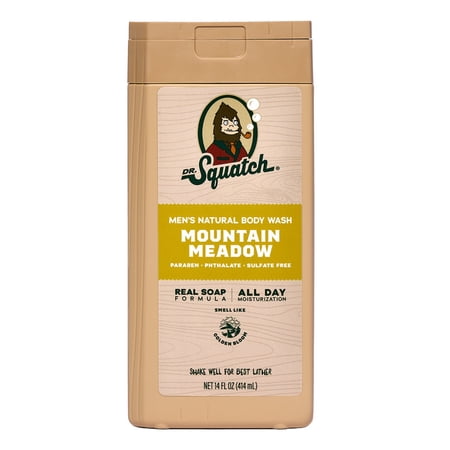
Dr. Squatch Mountain Meadow Non-Exfoliating Body Wash 14 fl oz
Analysis updated July 2026 · How Scout scores
At a glance
Summary
This body wash contains beneficial ingredients like glycerin and essential oils, which provide hydration and soothing properties. However, it also includes several fragrance components that are potential allergens and can cause skin irritation. The presence of synthetic fragrance compounds and the overall processing level contribute to a moderate score, as these factors raise concerns about skin sensitivity and ingredient transparency.
Key ingredients 23
TocopherolVery Good
Tocopherol, also known as Vitamin E, is a powerful antioxidant. It is derived from natural sources and helps protect the skin from oxidative stress. This ingredient is beneficial for maintaining skin health.
Benefits
Provides antioxidant protection, helping to maintain healthy skin and prevent damage.
Potassium CocoateGood
Potassium cocoate is a natural soap derived from coconut oil. It is created through the saponification process, which involves reacting coconut oil with potassium hydroxide. This ingredient is valued for its gentle cleansing properties.
Benefits
Provides effective cleansing while being gentle on the skin, making it suitable for sensitive skin types.
GlycerinGood
Glycerin is a humectant that attracts moisture to the skin. It is typically derived from plant oils and is known for its hydrating properties. This ingredient helps maintain skin moisture balance.
Benefits
Helps to keep the skin hydrated and soft, enhancing the skin's natural barrier function.
Potassium OleateGood
Potassium oleate is a soap derived from oleic acid, a fatty acid found in animal and vegetable fats. It is produced through saponification and acts as a surfactant and emulsifier. This ingredient helps cleanse and emulsify oils and dirt.
Benefits
Effective in cleansing and emulsifying, contributing to the product's ability to remove oils and impurities.
Saccharide IsomerateGood
Saccharide isomerate is a plant-derived moisturizer that binds to the skin. It is known for its long-lasting hydration effects. This ingredient mimics the skin's natural carbohydrate complex.
Benefits
Provides long-lasting hydration and improves skin smoothness and softness.
Eucalyptus Globulus OilGood
Eucalyptus globulus oil is an essential oil known for its refreshing scent and antimicrobial properties. It is steam-distilled from the leaves of the eucalyptus tree. This ingredient is used for its aromatic and skin-soothing benefits.
Risks
Potential skin irritant for sensitive individuals if used in high concentrations.
Benefits
Offers antimicrobial benefits and a refreshing scent, enhancing the sensory experience.
Lavender OilGood
Lavender oil is an essential oil known for its calming and soothing properties. It is extracted from the flowers of the lavender plant through steam distillation. This ingredient is used for its aromatic and skin-calming benefits.
Risks
Potential allergen for sensitive individuals, especially in high concentrations.
Benefits
Provides calming and soothing effects, both aromatically and topically.
WaterNeutral
Water is the primary solvent in many personal care products. It is typically purified to remove contaminants and ensure safety. In this formulation, it acts as a base for other ingredients.
See more about Water →Xanthan GumNeutral
Xanthan gum is a polysaccharide used as a thickening agent. It is produced through the fermentation of sugars by the Xanthomonas campestris bacterium. This ingredient helps stabilize and thicken formulations.
Benefits
Contributes to the product's texture and stability without significant health benefits.
Citric AcidNeutral
Citric acid is a weak organic acid used to adjust the pH of formulations. It is derived from citrus fruits and is used to balance acidity. This ingredient helps maintain the stability and efficacy of the product.
Benefits
Helps maintain the product's pH balance, ensuring stability and effectiveness.
EthylhexylglycerinNeutral
Ethylhexylglycerin is a synthetic compound used as a skin conditioning agent and preservative enhancer. It is often used to improve the efficacy of preservatives. This ingredient is considered safe for use in cosmetics.
Benefits
Enhances the effectiveness of preservatives, contributing to product longevity.
Hydroxypropyl Guar Hydroxypropyltrimonium ChlorideNeutral
This ingredient is a modified guar gum used as a conditioning agent. It is derived from guar beans and chemically modified to improve its properties. It helps improve the texture and feel of the product.
Benefits
Improves the texture and conditioning properties of the product, enhancing user experience.
Trisodium Dicarboxymethyl AlaninateNeutral
Trisodium dicarboxymethyl alaninate is a chelating agent used to bind metal ions. It helps stabilize formulations by preventing metal-induced oxidation. This ingredient is considered safe for use in cosmetics.
Benefits
Stabilizes the formulation by binding metal ions, preventing degradation.
Linalyl AcetateNeutral
Linalyl acetate is an ester of linalool and acetic acid, used for its floral scent. It is commonly found in essential oils like lavender and bergamot. This ingredient contributes to the fragrance profile of the product.
Risks
Potential allergen for sensitive individuals.
Sodium HydroxideNeutral
Sodium hydroxide is a strong alkaline compound used to adjust pH levels. It is used in small amounts to neutralize acidity in formulations. This ingredient is essential for maintaining the stability and performance of the product.
Benefits
Helps maintain the product's pH balance, ensuring stability and effectiveness.
Sodium CitrateNeutral
Sodium citrate is a salt of citric acid used as a buffering agent. It helps maintain the pH balance of formulations. This ingredient is considered safe for use in cosmetics.
Benefits
Contributes to the stability and effectiveness of the product by maintaining pH balance.
Tetramethyl AcetyloctahydronaphthalenesBad
Tetramethyl acetyloctahydronaphthalenes are synthetic fragrance compounds. They are used to impart scent but can be associated with skin sensitization. These compounds are often criticized for their potential allergenic properties.
Risks
Potential allergen and skin sensitizer, especially for sensitive skin.
LinaloolBad
Linalool is a naturally occurring terpene alcohol found in many flowers and spice plants. It is used for its pleasant floral scent but can be an allergen for some individuals. This ingredient is often included in fragrance formulations.
Risks
Potential allergen, especially for individuals with fragrance sensitivities.
LimoneneBad
Limonene is a naturally occurring compound found in citrus fruit peels. It is used for its citrus scent but can oxidize to form skin irritants. This ingredient is often included in fragrance formulations.
Risks
Potential skin irritant, especially when oxidized.
Hexyl CinnamalBad
Hexyl cinnamal is a synthetic fragrance ingredient used for its jasmine-like scent. It is known to be a potential allergen and can cause skin sensitization. This ingredient is often included in fragrance formulations.
Risks
Potential allergen and skin sensitizer.
GeraniolBad
Geraniol is a naturally occurring terpene alcohol found in essential oils. It is used for its rose-like scent but is a known allergen. This ingredient is often included in fragrance formulations.
Risks
Potential allergen, especially for individuals with fragrance sensitivities.
CitralBad
Citral is a naturally occurring compound found in the oils of several plants. It is used for its lemon scent but is a known allergen. This ingredient is often included in fragrance formulations.
Risks
Potential allergen and skin sensitizer.
Parfum (Fragrance)Very Bad
Fragrance is often a mixture of various aromatic compounds. It can include synthetic chemicals that may cause allergic reactions or skin irritation. The exact composition is usually proprietary and undisclosed.
Risks
Potential allergen and irritant, especially for sensitive skin or those with fragrance allergies.
Get the full breakdown in the Scout appTake Scout shopping
Scan any product to see lab results, healthy alternatives, and your personalized analysis.
Download on theApp Store GET IT ONGoogle Play