
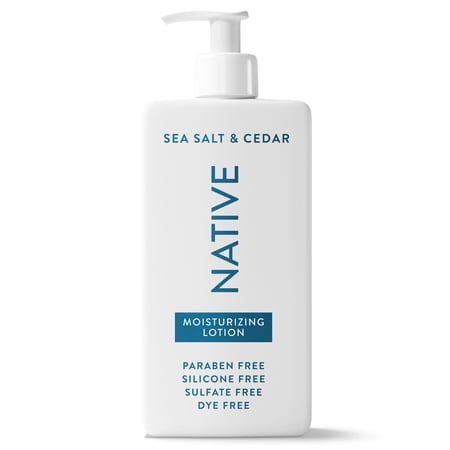
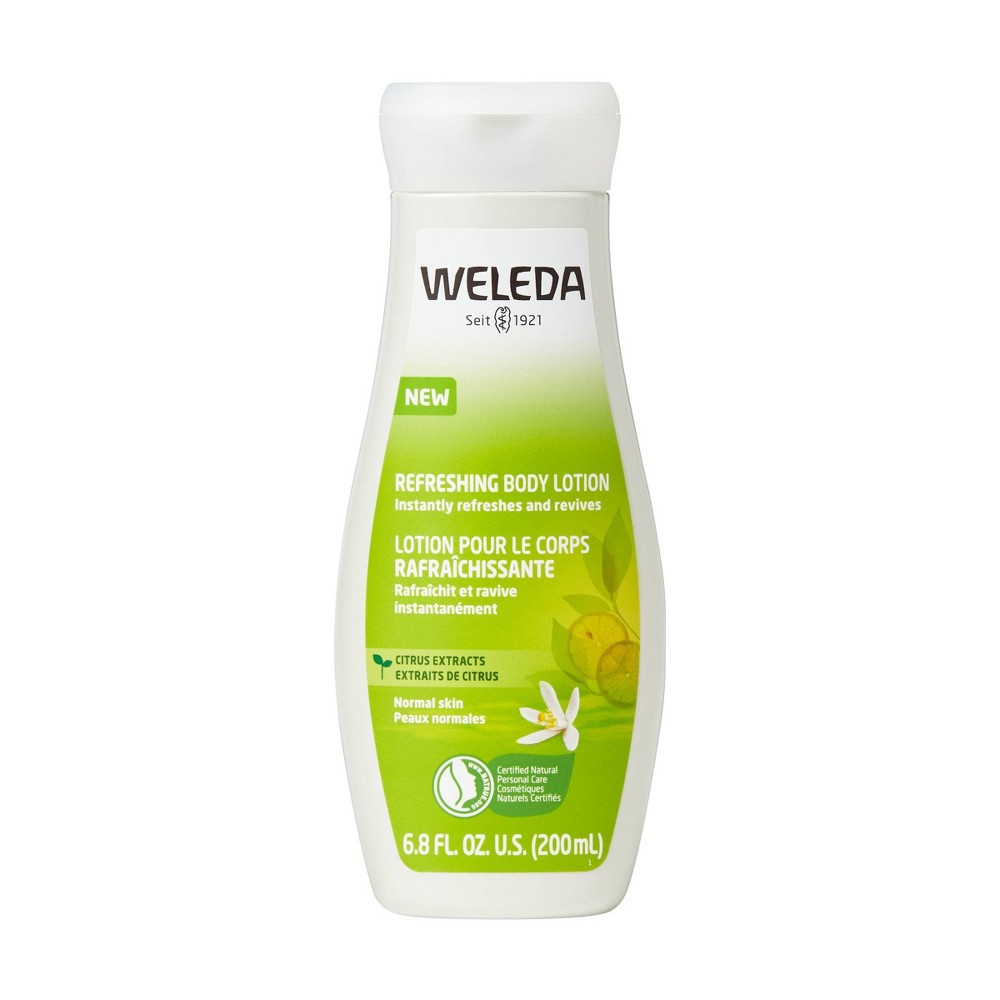
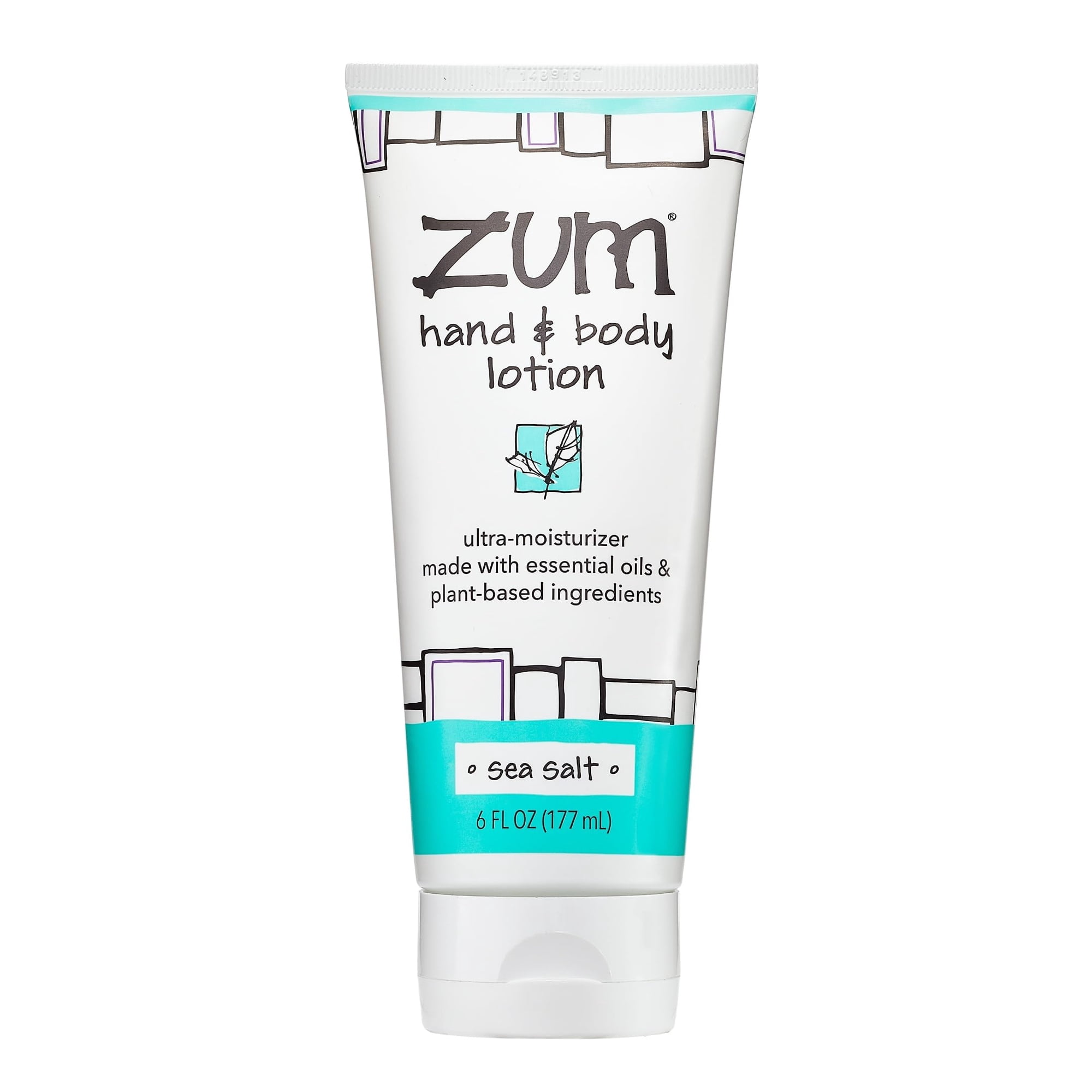
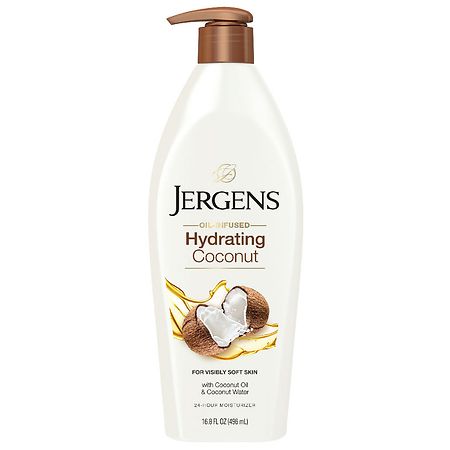
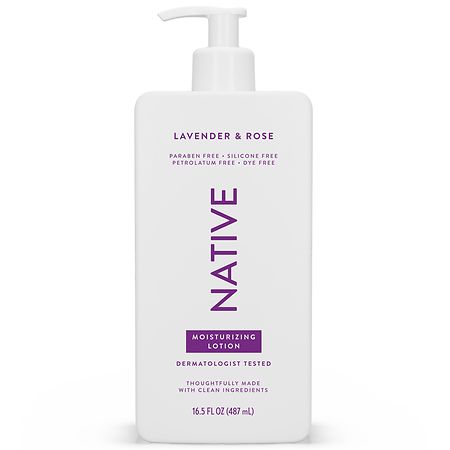
Native Moisturizing Body Lotion Sea Salt & Cedar Daily Dermatologist Tested for Sensitive Skin for Women & Men 16.5 fl oz
Analysis updated August 2026 · How Scout scores
At a glance
Summary
This body lotion contains a variety of beneficial ingredients such as shea butter, niacinamide, and aloe vera, which are known for their moisturizing and soothing properties. However, the presence of 'fragrance' as an ingredient introduces potential allergens and irritants, which can be concerning for sensitive skin. The product is processed, which limits its score despite the inclusion of several natural and skin-friendly components.
Key ingredients 17
Shea ButterVery Good
Shea butter is a natural fat extracted from the nuts of the shea tree, known for its moisturizing properties. It is rich in vitamins A and E, which help soothe and hydrate the skin. It is highly beneficial for dry and sensitive skin.
Risks
There are minimal risks, though some individuals may experience allergic reactions.
Benefits
Shea butter provides deep moisturization and has anti-inflammatory properties that can help soothe irritated skin.
Sunflower Seed OilVery Good
Sunflower seed oil is a non-comedogenic oil rich in vitamin E and fatty acids. It helps in maintaining the skin's natural barrier and preventing moisture loss. It is suitable for all skin types.
Risks
There are minimal risks, though some individuals may experience allergic reactions.
Benefits
Sunflower seed oil helps in soothing and moisturizing the skin, reducing inflammation.
TocopherolVery Good
Tocopherol, or vitamin E, is a powerful antioxidant that helps protect the skin from free radical damage. It aids in moisturizing and healing the skin. It is beneficial for all skin types.
Risks
There are minimal risks, though high concentrations may cause skin irritation.
Benefits
Tocopherol helps in improving skin texture and reducing signs of aging.
Aloe VeraVery Good
Aloe vera is a plant extract known for its soothing and hydrating properties. It helps in calming irritated skin and providing moisture. It is suitable for all skin types, especially sensitive skin.
Risks
There are minimal risks, though some individuals may experience allergic reactions.
Benefits
Aloe vera helps in soothing sunburns and reducing skin inflammation.
PanthenolVery Good
Panthenol, or provitamin B5, is known for its moisturizing and healing properties. It helps in improving skin hydration and reducing inflammation. It is suitable for all skin types.
Risks
There are minimal risks, though some individuals may experience skin irritation.
Benefits
Panthenol helps in soothing and repairing damaged skin.
NiacinamideGood
Niacinamide, a form of vitamin B3, is known for its ability to improve skin elasticity and enhance the skin barrier. It helps in reducing inflammation and redness. It is beneficial for all skin types, including sensitive skin.
Risks
There are minimal risks, though high concentrations may cause mild irritation.
Benefits
Niacinamide helps in reducing fine lines and wrinkles, improving skin texture, and brightening the skin tone.
Sea SaltGood
Beneficial ingredient — whole-food or functional value in this product class.
Risks
Excessive use may lead to skin dryness or irritation.
Benefits
Sea salt can help in detoxifying the skin and improving circulation.
Cedarwood OilGood
Cedarwood oil is an essential oil known for its calming and antiseptic properties. It can help in balancing oily skin and reducing acne. It is generally safe for use in cosmetics.
Risks
Some individuals may experience allergic reactions or skin sensitivity.
Benefits
Cedarwood oil can help soothe irritated skin and has a pleasant, natural fragrance.
GlycerinGood
Glycerin is a humectant that attracts moisture to the skin, keeping it hydrated. It is widely used in skincare for its ability to improve skin barrier function. It is safe and beneficial for all skin types.
Risks
There are minimal risks associated with glycerin.
Benefits
Glycerin helps in maintaining skin hydration and improving skin smoothness.
Coconut OilGood
Coconut oil is a natural oil known for its moisturizing and antibacterial properties. It helps in nourishing and protecting the skin. It is beneficial for dry and sensitive skin.
Risks
Some individuals may experience clogged pores or acne breakouts.
Benefits
Coconut oil provides deep hydration and has antimicrobial properties that can help protect the skin.
Sodium HyaluronateGood
Sodium hyaluronate is a form of hyaluronic acid that helps in retaining skin moisture. It provides deep hydration and plumps the skin. It is beneficial for all skin types.
Risks
There are minimal risks associated with sodium hyaluronate.
Benefits
Sodium hyaluronate helps in reducing the appearance of fine lines and improving skin elasticity.
WaterNeutral
Water is a common solvent used in cosmetics to dissolve other ingredients. It helps in the application and absorption of the product. It does not provide direct benefits or risks.
Risks
There are no significant risks associated with water in cosmetics.
Benefits
Water helps in hydrating the skin by allowing other moisturizing ingredients to penetrate effectively.
Citric AcidNeutral
Citric acid is used in cosmetics to adjust the pH level of products. It can also provide mild exfoliation. It does not provide significant benefits or risks in small concentrations.
Risks
High concentrations may cause skin irritation or sensitivity.
Benefits
Citric acid helps in maintaining the stability and effectiveness of the product.
Lactic AcidNeutral
Standard formulation ingredient — neither beneficial nor harmful at typical use.
Risks
High concentrations may cause skin irritation or sensitivity.
Benefits
Lactic acid helps in promoting cell turnover and improving skin hydration.
Potassium SorbateBad
Synthetic preservative — flagged in daily-use products.
Risks
Some individuals may experience skin irritation or allergic reactions.
Benefits
Potassium sorbate helps in extending the shelf life of the product.
Sodium BenzoateBad
Synthetic preservative that can form benzene in the presence of vitamin C.
Risks
Some individuals may experience skin irritation or allergic reactions.
Benefits
Sodium benzoate helps in maintaining the product's freshness and safety.
FragranceVery Bad
Fragrance is used to impart scent to cosmetics but can be a source of allergens and irritants. It is often a mixture of various chemicals, some of which may cause skin sensitivity. It is generally considered a negative ingredient in skincare.
Risks
Fragrance can cause allergic reactions, skin irritation, and sensitivity.
Benefits
Fragrance provides a pleasant scent to the product, enhancing user experience.
Processing
Processed Foods
Get the full breakdown in the Scout appTake Scout shopping
Scan any product to see lab results, healthy alternatives, and your personalized analysis.
Download on theApp Store GET IT ONGoogle PlayAmazon pricing & content
Amazon price as of . Product prices and availability are accurate as of the date/time indicated and are subject to change. Any price and availability information displayed on Amazon.com at the time of purchase will apply to the purchase of this product.
CERTAIN CONTENT THAT APPEARS ON THIS SITE COMES FROM AMAZON. THIS CONTENT IS PROVIDED “AS IS” AND IS SUBJECT TO CHANGE OR REMOVAL AT ANY TIME.