

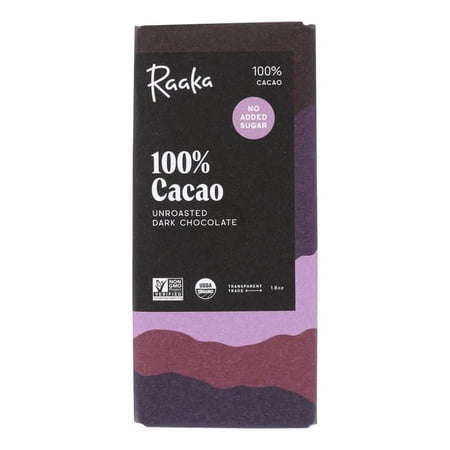
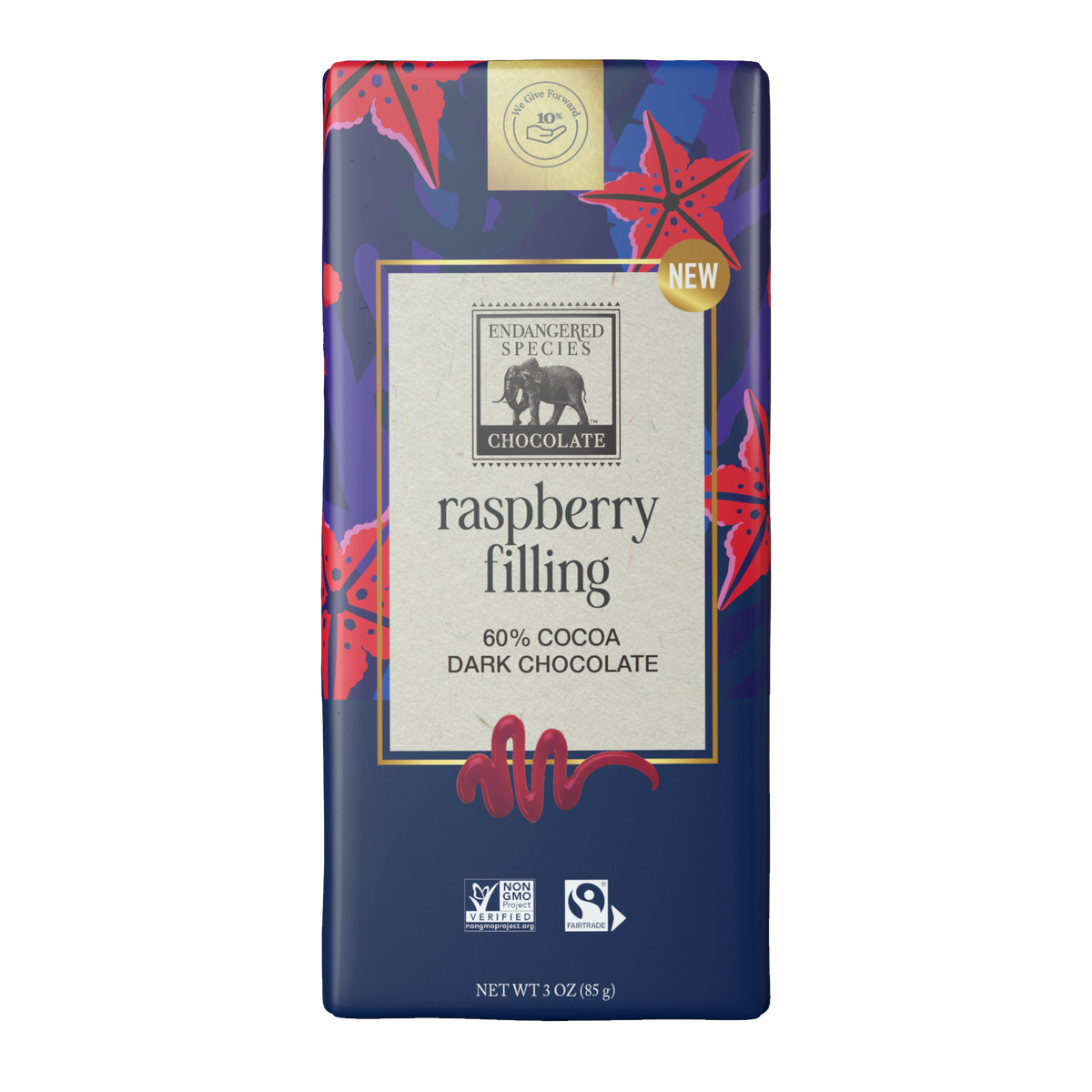


TCHO Chocolate, Tcho Bar Chocolate Toffee Time, 0.83 Oz (Case of 18)
Analysis updated October 2026 · How Scout scores
At a glance
Summary
This chocolate product contains several beneficial ingredients such as cacao beans, cocoa butter, and cashew butter, which contribute to its nutrient profile. However, the presence of refined cane sugar and sunflower lecithin, along with its processed nature, limits its healthfulness. While it avoids major harmful additives, the inclusion of refined sugar and processing level prevent it from achieving a higher score.
Key ingredients 12
Cacao beansVery Good
Cacao beans are rich in antioxidants and flavonoids, which support heart health and reduce inflammation. They are minimally processed, retaining most of their natural nutrients. Cacao is also a good source of magnesium and iron.
Benefits
Rich in antioxidants and flavonoids that support cardiovascular health and reduce inflammation. Provides essential minerals like magnesium and iron.
Cocoa butterGood
Cocoa butter is a natural fat extracted from cacao beans, known for its moisturizing properties and healthy fat content. It contains stearic acid, which may support heart health by lowering cholesterol levels. The extraction process preserves its beneficial compounds.
Benefits
Provides healthy fats that may support heart health and improve skin hydration. Contains stearic acid, which can help lower cholesterol levels.
Gluten free oat flourGood
Gluten free oat flour is a whole grain flour that provides fiber and essential nutrients. It is minimally processed and suitable for those with gluten sensitivities. Oats are known for their heart-healthy properties and ability to lower cholesterol.
Benefits
Rich in fiber and nutrients, supporting heart health and lowering cholesterol levels.
Cashew butterGood
Cashew butter is a nut butter rich in healthy fats, protein, and essential minerals like magnesium and zinc. It is minimally processed, retaining most of its natural nutrients. Cashews are known for their heart-healthy monounsaturated fats.
Risks
Potential allergen for individuals with nut allergies.
Benefits
Provides healthy fats and protein, supporting heart health and muscle maintenance. Rich in essential minerals like magnesium and zinc.
Coconut oilGood
Coconut oil is a source of medium-chain triglycerides (MCTs), which are easily metabolized for energy. It is minimally processed and contains lauric acid, which may support immune health. Coconut oil is also known for its potential benefits in weight management.
Risks
High in saturated fats, which should be consumed in moderation.
Benefits
Rich in MCTs that provide quick energy and may support weight management. Contains lauric acid, which has antimicrobial properties.
Sea saltGood
Sea salt is a natural source of sodium and trace minerals, minimally processed to retain its natural composition. It enhances flavor without the additives found in refined table salt. Sea salt can support electrolyte balance and hydration.
Risks
Excessive consumption can lead to high blood pressure and related health issues.
Benefits
Provides essential minerals and supports electrolyte balance and hydration.
Vanilla beansGood
Vanilla beans are a natural flavoring agent, providing a rich aroma and taste to foods. They are minimally processed and contain antioxidants. Vanilla is also known for its potential calming effects.
Benefits
Provides natural flavor and aroma, along with antioxidants that may have calming effects.
Coconut sugarNeutral
Coconut sugar is a natural sweetener derived from the sap of coconut palm trees. It has a lower glycemic index compared to regular sugar, which may help in managing blood sugar levels. However, it is still a form of sugar and should be consumed in moderation.
Risks
Excessive consumption can lead to increased blood sugar levels and related health issues.
Benefits
Lower glycemic index than regular sugar, which may help in managing blood sugar levels.
Rice syrupNeutral
Rice syrup is a sweetener made from fermented rice, often used as an alternative to refined sugars. It has a high glycemic index, which can affect blood sugar levels. While it is less processed than some sweeteners, it still lacks significant nutritional benefits.
Risks
High glycemic index can lead to spikes in blood sugar levels.
Baking sodaNeutral
Baking soda is a leavening agent used to help baked goods rise. It is a simple chemical compound with no significant nutritional value. Its use is primarily functional in food preparation.
Risks
Excessive consumption can lead to alkalosis and electrolyte imbalances.
Cane sugarBad
Cane sugar is a refined sugar that can contribute to increased blood sugar levels and potential weight gain. It is highly processed, removing most of its natural nutrients. Regular consumption can lead to health issues such as obesity and diabetes.
Risks
High consumption can lead to obesity, diabetes, and other metabolic disorders.
Sunflower lecithinBad
Sunflower lecithin is an emulsifier used to improve texture and consistency in processed foods. It is derived from sunflower seeds but undergoes significant processing. While generally considered safe, it offers no significant nutritional benefits.
See more about Sunflower lecithin →Processing
Processed Foods
Get the full breakdown in the Scout appTake Scout shopping
Scan any product to see lab results, healthy alternatives, and your personalized analysis.
Download on theApp Store GET IT ONGoogle Play