


At a glance
Summary
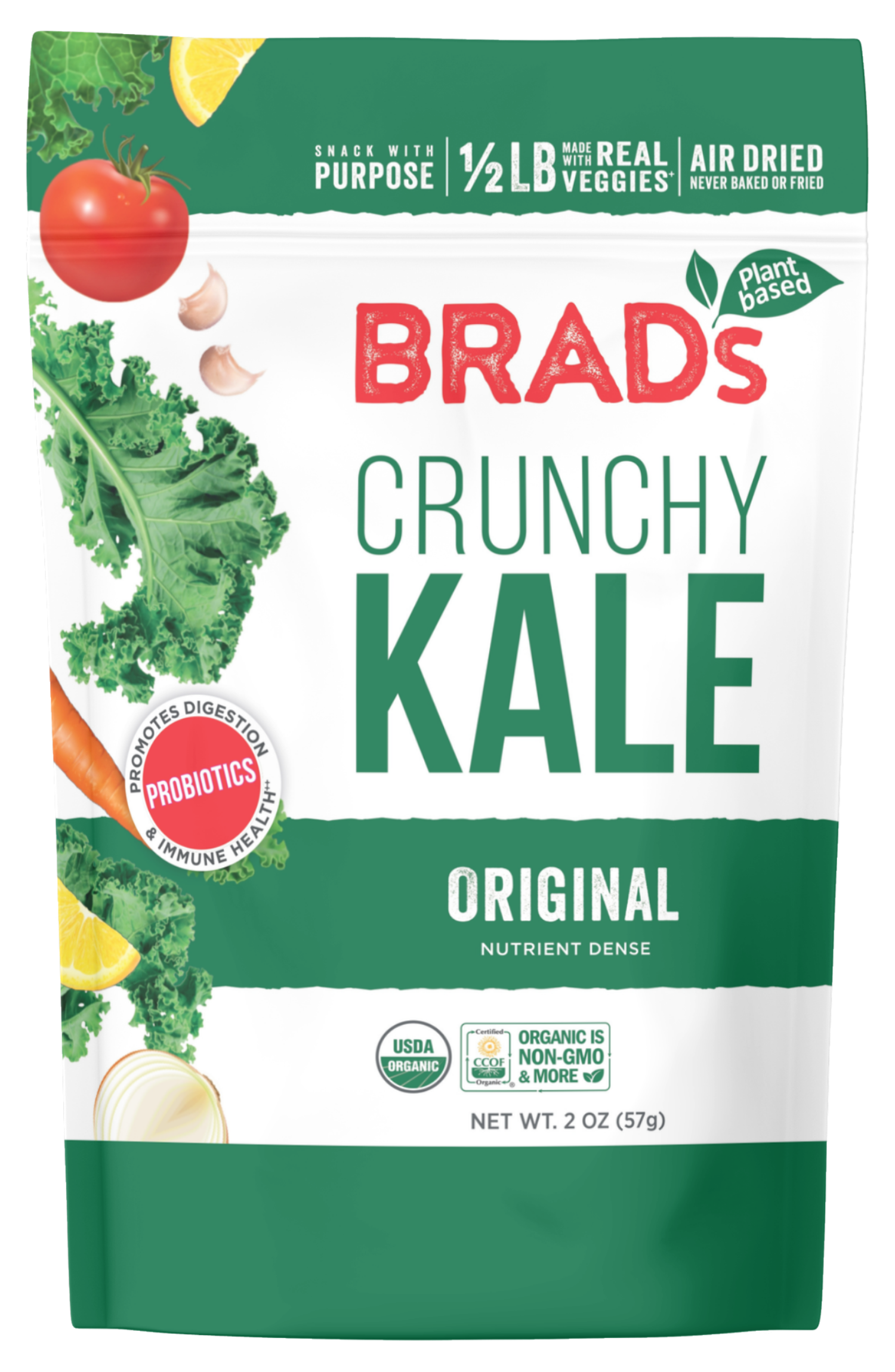
This product features a clean ingredient list with nutrient-dense components like kale, sunflower seeds, and extra virgin olive oil, which contribute to its health benefits. The absence of harmful additives and the use of whole food ingredients are positive aspects, although the processing level limits its maximum score. The inclusion of natural flavor enhancers like lemon juice and apple cider vinegar further supports its nutritional profile.
Key ingredients 16
KaleVery Good
Kale is a nutrient-dense leafy green rich in vitamins A, C, and K. It contains antioxidants that help reduce inflammation and support overall health. Its high fiber content aids in digestion and promotes satiety.
Benefits
Rich in vitamins and antioxidants, supporting immune function and reducing inflammation.
Red bell peppersVery Good
Red bell peppers are high in vitamin C and antioxidants, which help boost the immune system and reduce oxidative stress. They are low in calories and provide a sweet flavor to dishes. Their vibrant color indicates a high nutrient content.
Benefits
High in vitamin C, supporting immune health and skin vitality.
Extra virgin olive oilVery Good
Extra virgin olive oil is a high-quality monounsaturated fat with anti-inflammatory properties. It contains antioxidants that support heart health. Cold-pressed extraction preserves beneficial compounds.
Benefits
Rich in monounsaturated fats that support heart health and provide anti-inflammatory properties.
Sunflower seedsGood
Sunflower seeds are a good source of healthy fats, protein, and essential nutrients like vitamin E and magnesium. They provide antioxidants that support heart health. Their nutrient profile makes them a beneficial addition to a balanced diet.
Risks
May cause allergic reactions in sensitive individuals.
Benefits
Rich in vitamin E and healthy fats, supporting cardiovascular health.
Lemon juiceGood
Lemon juice is a natural source of vitamin C and citric acid, which can enhance flavor and aid digestion. It has antioxidant properties that support immune function. Its acidity can also help preserve food naturally.
Risks
Excessive consumption may erode dental enamel.
Benefits
Provides vitamin C and antioxidants, supporting immune health.
Apple cider vinegarGood
Apple cider vinegar is known for its potential health benefits, including aiding digestion and supporting blood sugar control. It is made through fermentation, which can enhance its probiotic content. Its acetic acid content may have antimicrobial properties.
Risks
Excessive consumption may lead to digestive discomfort.
Benefits
May aid digestion and support blood sugar regulation.
Chickpea misoGood
Chickpea miso is a fermented product that provides probiotics, which can support gut health. It is made from chickpeas and rice, offering a plant-based protein source. Fermentation enhances its nutrient absorption and flavor profile.
Risks
Contains salt, which may be a concern for those on sodium-restricted diets.
Benefits
Provides probiotics and plant-based protein, supporting digestive health.
Garlic powderGood
Concentrated whole-food seasoning.
Risks
May cause allergic reactions in sensitive individuals.
Benefits
Adds flavor and some antioxidant properties.
Tomato powderGood
Tomato powder is made from dehydrated tomatoes and retains many of the nutrients found in fresh tomatoes, including lycopene. It adds flavor and color to dishes while providing antioxidants. Its concentrated form enhances its nutrient density.
Benefits
Rich in lycopene and antioxidants, supporting heart health.
PaprikaGood
Paprika is a spice made from ground peppers, providing flavor and color to dishes. It contains antioxidants like carotenoids, which support eye health. Its vibrant color indicates a high nutrient content.
Benefits
Provides antioxidants and enhances flavor and color.
Himalayan saltGood
Himalayan salt is an unrefined mineral salt that contains trace minerals. It is less processed than regular table salt, retaining its natural mineral content. Its pink color is due to the presence of iron oxide.
Risks
Excessive consumption may contribute to high blood pressure.
Benefits
Provides trace minerals and is less processed than regular table salt.
Cumin powderGood
Cumin powder is a spice known for its distinctive flavor and potential health benefits. It contains antioxidants and may aid digestion. Its use in cooking can enhance the flavor profile of dishes.
Benefits
Provides antioxidants and may support digestive health.
Onion powderNeutral
Onion powder is a dehydrated form of onion used for flavoring. It retains some of the beneficial compounds found in fresh onions. However, it lacks the full nutrient profile of fresh onions.
Risks
May cause allergic reactions in sensitive individuals.
Benefits
Adds flavor without significant nutritional benefits.
AgaveNeutral
Agave is a natural sweetener derived from the agave plant. It has a lower glycemic index than refined sugar, which may be beneficial for blood sugar control. However, it is still a source of fructose and should be consumed in moderation.
Risks
High fructose content may contribute to metabolic issues if consumed in excess.
Benefits
Provides a natural sweetening option with a lower glycemic index than refined sugar.
Jalapeno powderNeutral
Jalapeno powder is made from dried jalapeno peppers and adds heat and flavor to dishes. It contains capsaicin, which may have metabolic benefits. However, its nutritional impact is minimal in small quantities.
Risks
May cause digestive discomfort in sensitive individuals.
Benefits
Adds flavor and heat with minimal nutritional impact.
Cayenne powderNeutral
Cayenne powder is a spice made from ground cayenne peppers, known for its heat and flavor. It contains capsaicin, which may support metabolism and circulation. Its use in small amounts provides minimal nutritional benefits.
Risks
May cause digestive discomfort in sensitive individuals.
Benefits
Adds heat and flavor with potential metabolic benefits.
Processing
Processed Foods
Get the full breakdown in the Scout appTake Scout shopping
Scan any product to see lab results, healthy alternatives, and your personalized analysis.
Download on theApp Store GET IT ONGoogle Play