Near you
Trader Joe's is carried at Trader Joe stores. Find one within 25 miles.

At a glance
Summary
This product contains a variety of whole grains and vegetables, which are minimally processed and provide essential nutrients like fiber, vitamins, and minerals. The inclusion of extra virgin olive oil adds healthy fats, enhancing the nutritional profile. However, the presence of refined sugar and the overall processing level limit the score, despite the clean ingredient list. Its plastic packaging can shed microplastics into the food and lowers its score.
Key ingredients 13
Extra virgin olive oilVery Good
High-quality monounsaturated fat with anti-inflammatory properties. Contains antioxidants that support heart health. Cold-pressed extraction preserves beneficial compounds.
Benefits
Rich in monounsaturated fats that support heart health and provide anti-inflammatory properties. Contains antioxidants like vitamin E and polyphenols that may reduce oxidative stress.
BarleyGood
Barley is a whole grain rich in dietary fiber, particularly beta-glucan, which supports heart health. It is minimally processed and retains its nutritional profile. Barley also provides essential vitamins and minerals.
Risks
Contains gluten, which may be a concern for individuals with celiac disease or gluten sensitivity.
Benefits
High in fiber, which aids digestion and may help lower cholesterol levels. Provides a good source of vitamins and minerals such as selenium and magnesium.
SpeltGood
Spelt is an ancient grain that is high in protein and fiber, contributing to a balanced diet. It is less processed than modern wheat varieties. Spelt also contains essential nutrients like iron and magnesium.
Risks
Contains gluten, which may not be suitable for those with celiac disease or gluten intolerance.
Benefits
Rich in protein and fiber, supporting digestive health and providing sustained energy. Contains essential vitamins and minerals.
Whole riceGood
Whole rice varieties like Ermes, Ribe, and Venus are minimally processed and retain their bran and germ, providing fiber and nutrients. They offer a variety of antioxidants and phytonutrients. Whole rice is a good source of complex carbohydrates.
Benefits
Provides fiber, vitamins, and minerals, supporting overall health. The presence of antioxidants may offer additional health benefits.
PeasGood
Peas are a good source of plant-based protein and fiber, supporting digestive health. They are minimally processed and retain their natural nutrients. Peas also provide vitamins such as vitamin K and folate.
Benefits
Rich in protein and fiber, aiding in digestion and providing essential nutrients. Contains vitamins and minerals that support overall health.
CarrotsGood
Carrots are a root vegetable high in beta-carotene, which the body converts to vitamin A. They are minimally processed and retain their natural nutrients. Carrots also provide dietary fiber and antioxidants.
Benefits
High in beta-carotene, supporting eye health and immune function. Provides fiber and antioxidants that contribute to overall health.
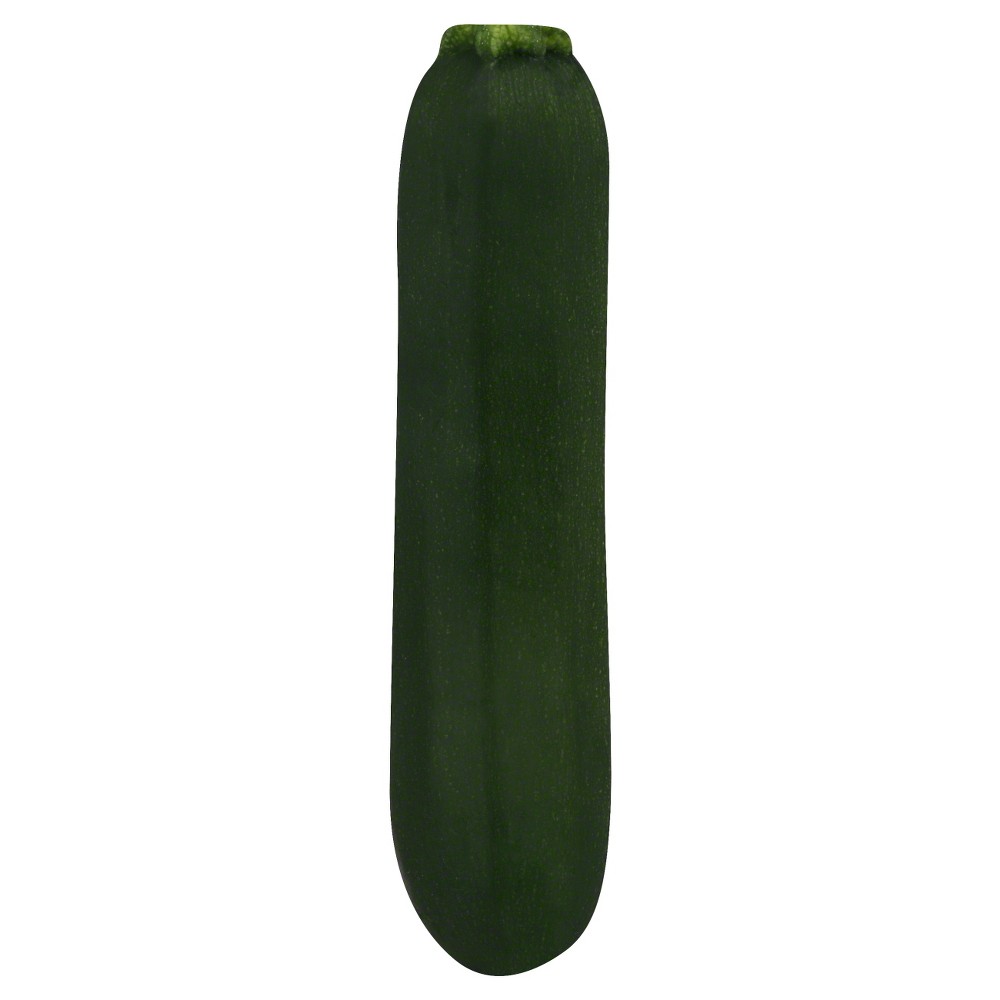
ZucchiniGood
Zucchini is a low-calorie vegetable rich in vitamins and minerals, particularly vitamin C and potassium. It is minimally processed and retains its natural nutrients. Zucchini also provides dietary fiber.
Benefits
Provides essential nutrients and fiber, supporting digestive health and overall wellness. Low in calories, making it a healthy addition to meals.
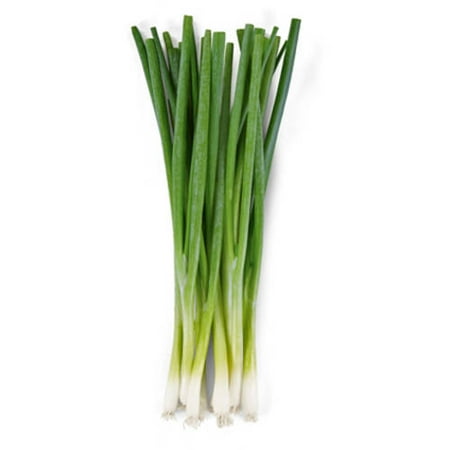
OnionGood
Onions are a flavorful vegetable rich in antioxidants and sulfur-containing compounds. They are minimally processed and retain their natural nutrients. Onions may support heart health and immune function.
Benefits
Provides antioxidants and compounds that may support heart health and immune function. Adds flavor and nutritional value to dishes.
PepperGood
Pepper is a spice that adds flavor and contains antioxidants. It is minimally processed and retains its natural compounds. Pepper may aid digestion and enhance nutrient absorption.
Benefits
Contains antioxidants and compounds that may support digestion and enhance flavor.
CornNeutral
Corn is a starchy vegetable that provides carbohydrates and some fiber. It is a whole food but can be high in natural sugars. Corn is often genetically modified, which may be a concern for some consumers.
Risks
Potential for high glycemic index, which can affect blood sugar levels. Genetic modification concerns for some consumers.
Benefits
Provides energy through carbohydrates and contains some fiber and essential nutrients like vitamin C.
VinegarNeutral
Vinegar is used as a flavoring and preservative, with minimal processing. It has a neutral impact on health when consumed in moderation. Vinegar can enhance the flavor profile of foods.
Risks
Excessive consumption may lead to digestive discomfort.
Benefits
May aid in digestion and enhance flavor without adding calories.
SaltNeutral
Salt is used as a seasoning and preservative, providing sodium necessary for bodily functions. It is a processed ingredient but essential in moderation. Excessive salt intake can lead to health issues.
Risks
High sodium intake can increase blood pressure and risk of cardiovascular diseases.
Benefits
Provides essential sodium needed for fluid balance and nerve function.
SugarBad
Refined sugar is a source of empty calories with no essential nutrients. It is highly processed and can contribute to health issues like obesity and diabetes. Excessive consumption of sugar is linked to various chronic diseases.
Risks
High intake can lead to weight gain, insulin resistance, and increased risk of chronic diseases.
Processing
Processed Foods
Get the full breakdown in the Scout appTake Scout shopping
Scan any product to see lab results, healthy alternatives, and your personalized analysis.
Are you Trader Joe's? Fix an error Get the badge Get tested
Amazon pricing & content
Amazon price as of . Product prices and availability are accurate as of the date/time indicated and are subject to change. Any price and availability information displayed on Amazon.com at the time of purchase will apply to the purchase of this product.
CERTAIN CONTENT THAT APPEARS ON THIS SITE COMES FROM AMAZON. THIS CONTENT IS PROVIDED “AS IS” AND IS SUBJECT TO CHANGE OR REMOVAL AT ANY TIME.